MEKSMART
GENERAL NEWS

Author: Meksmart .
Update: 31/07/2026
Batch, serial, and traceability management using WMS according to Decree 37/2026
Decree No. 37/2026/ND-CP was issued to provide detailed regulations on certain articles and organizational measures for the implementation of the Law on Product and Goods Quality. In particular, the State encourages businesses to apply technology platforms, barcodes, and other appropriate identification technologies to collect, store, connect, and share data on product quality throughout the
supply chain. For warehousing and logistics operations, traceability largely depends on the completeness and accuracy of data recorded when goods are received, stored, moved, and shipped. Batch numbers and serial numbers are two crucial pieces of information that help businesses identify goods, control quality, and retrieve transaction history when needed.
So, how can businesses manage batches, serial numbers, and support traceability using WMS? Let's explore this with MEKSMART in the article below.
1. The Role of Batch and Serial Management in Traceability
In warehouse operations, batches or lots are used to identify a group of goods that share common management information such as production batch, production date, expiration date, or source of import. Batch management allows businesses to track multiple products belonging to the same group simultaneously instead of having to control each unit individually.
Serial numbers are unique identifiers associated with each specific product. This management method is often applied to electronic devices, components, machinery, household appliances, assets, or items that require detailed tracking of each unit.
Depending on the specific industry, businesses can manage by batch, by serial number, or a combination of both. When the data is fully recorded, businesses can determine: when the goods were received, which batch the product belongs to, where the goods are stored in the warehouse, whether the batch or product has been shipped according to an order, and the transactions that occurred during storage and movement.
This is especially important when businesses need to conduct inventory checks, handle discrepancies, or inspect a product for quality issues. If a batch needs to be reviewed, businesses must quickly determine the remaining quantity, storage location, and orders shipped from that batch. For serial numbers, businesses can accurately trace each product instead of checking the entire group.
However, if batch and serial data are still managed using Excel, paper documents, or multiple separate systems, information is easily missing, duplicated, or inaccurate. As the number of SKUs, storage locations, and transactions increases, reconciling actual inventory with management data becomes more complex.
Therefore, batch and serial management is not just a warehouse operation. It is also the foundation for businesses to create a product history, control quality, and support information retrieval when required.
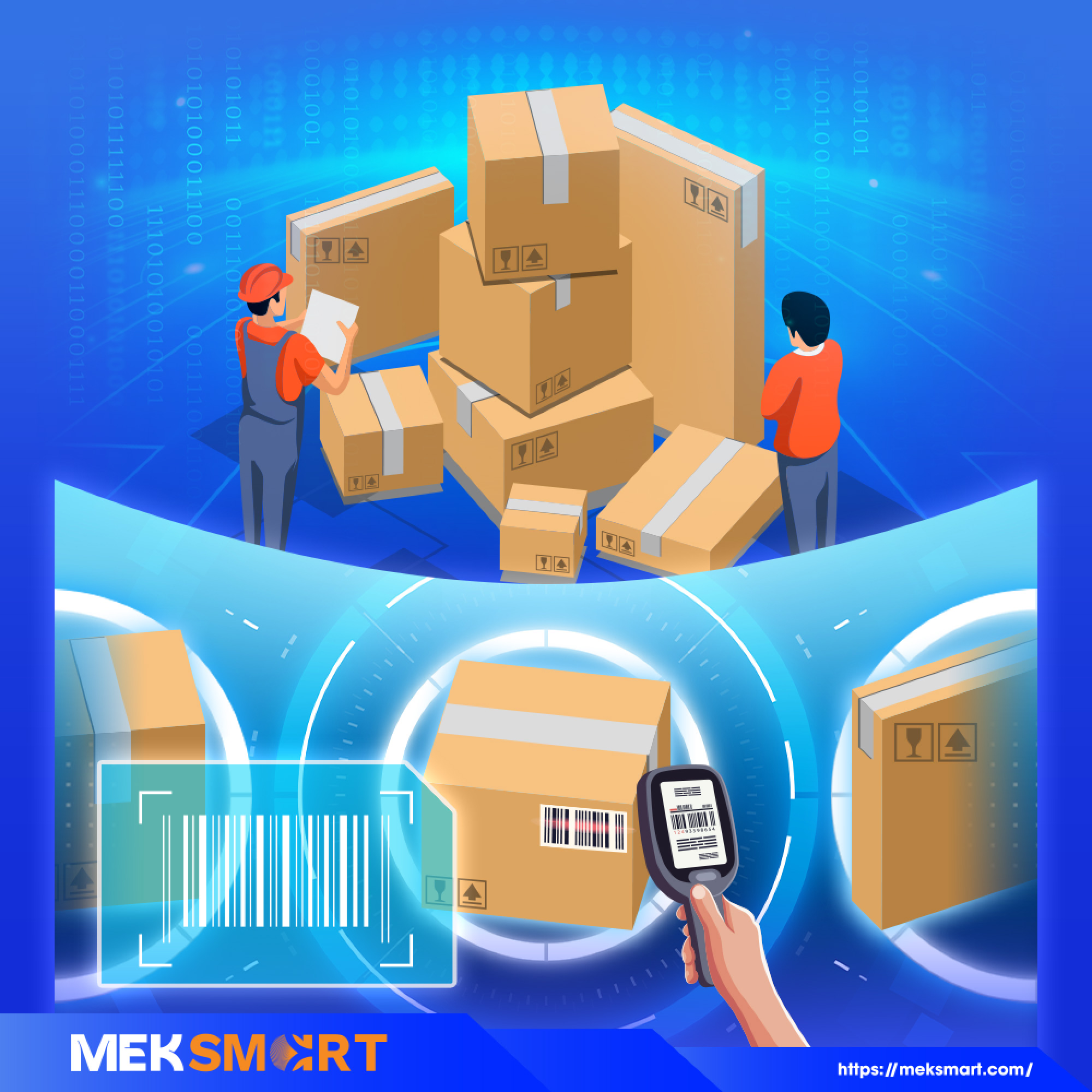
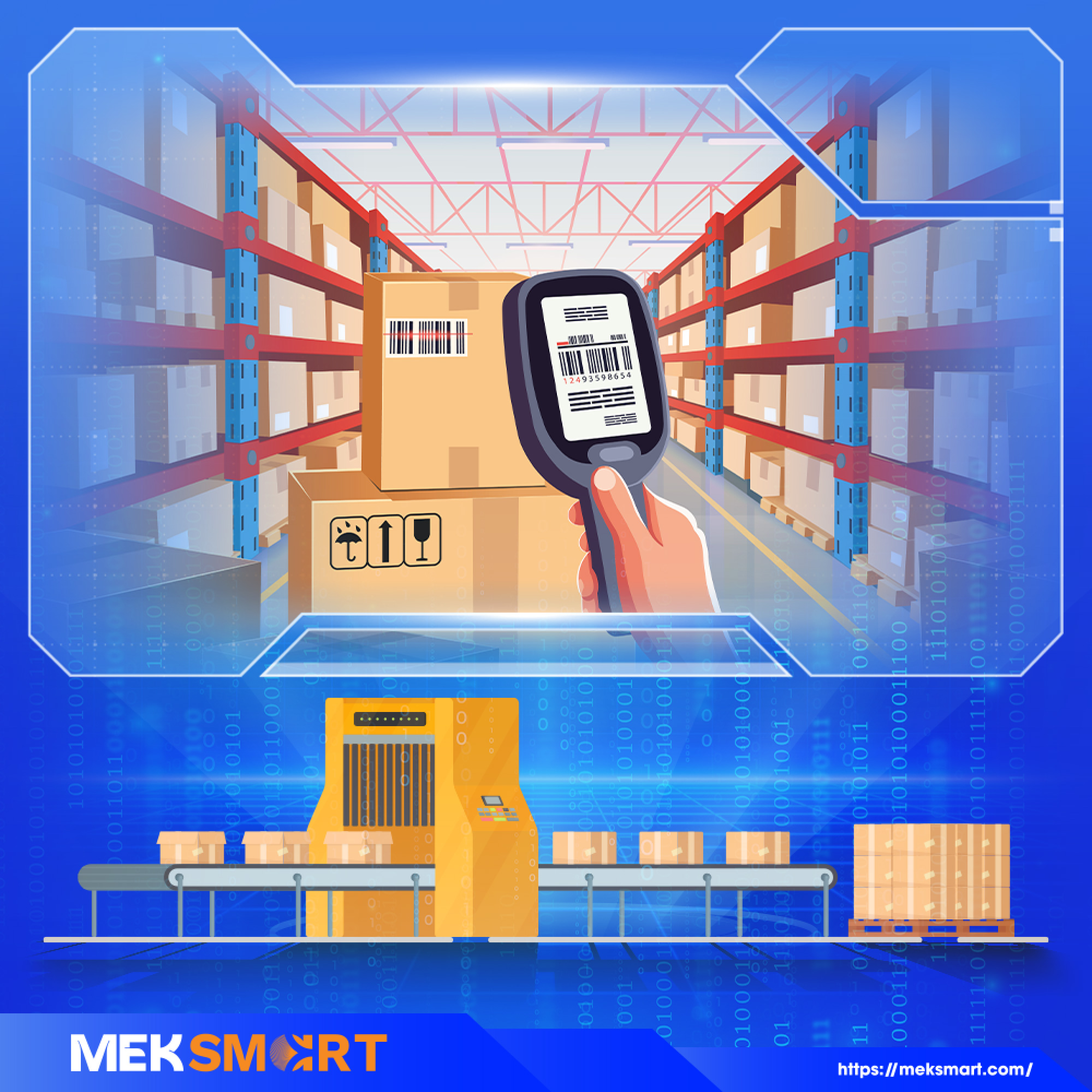
Batch and serial data help identify goods during warehouse operations.
2. Tracing goods in the warehouse using WMS
To effectively retrieve information, businesses need to record data at each transaction instead of only aggregating it after goods have been received or dispatched from the warehouse. This is one of the important roles of a WMS warehouse management system.
From the receiving stage, the WMS can record the batch number, serial number, SKU, quantity, and related information. When goods are moved into the warehouse, the data is further linked to the storage location, zone, or Pallet ID, helping businesses accurately identify the location of each batch or product.
During operation, the system continues to update data as goods are moved, inventoried, picked, packaged, or dispatched from the warehouse. Therefore, information is not separated between stages but is stored continuously within the warehouse management scope. A WMS (Warehouse Management System) can support businesses by:
- Recording lot numbers and serial numbers upon receipt of goods.
- Managing goods by SKU, Pallet ID, location, and storage area.
- Updating inventory in real time.
- Recording the history of goods entering, moving, inspecting, and shipping.
- Managing goods with expiration dates using the FEFO (First In, First Out) principle.
- Retrieving transaction history when discrepancies occur.
- Utilizing barcodes and handheld devices to minimize data entry errors or incorrect goods retrieval.
According to Decree 37/2026/ND-CP, traceability data needs to be recorded, stored, connected, and shared among relevant parties. A WMS does not replace the entire traceability system in the supply chain, but it can serve as a crucial data platform in the warehousing and logistics stage.
When information on incoming, stored, moved, and shipped goods is centrally managed, businesses can quickly identify the source, location, and transaction history of goods. This also forms the basis for connecting warehouse data with other systems, gradually improving traceability throughout the entire supply chain.
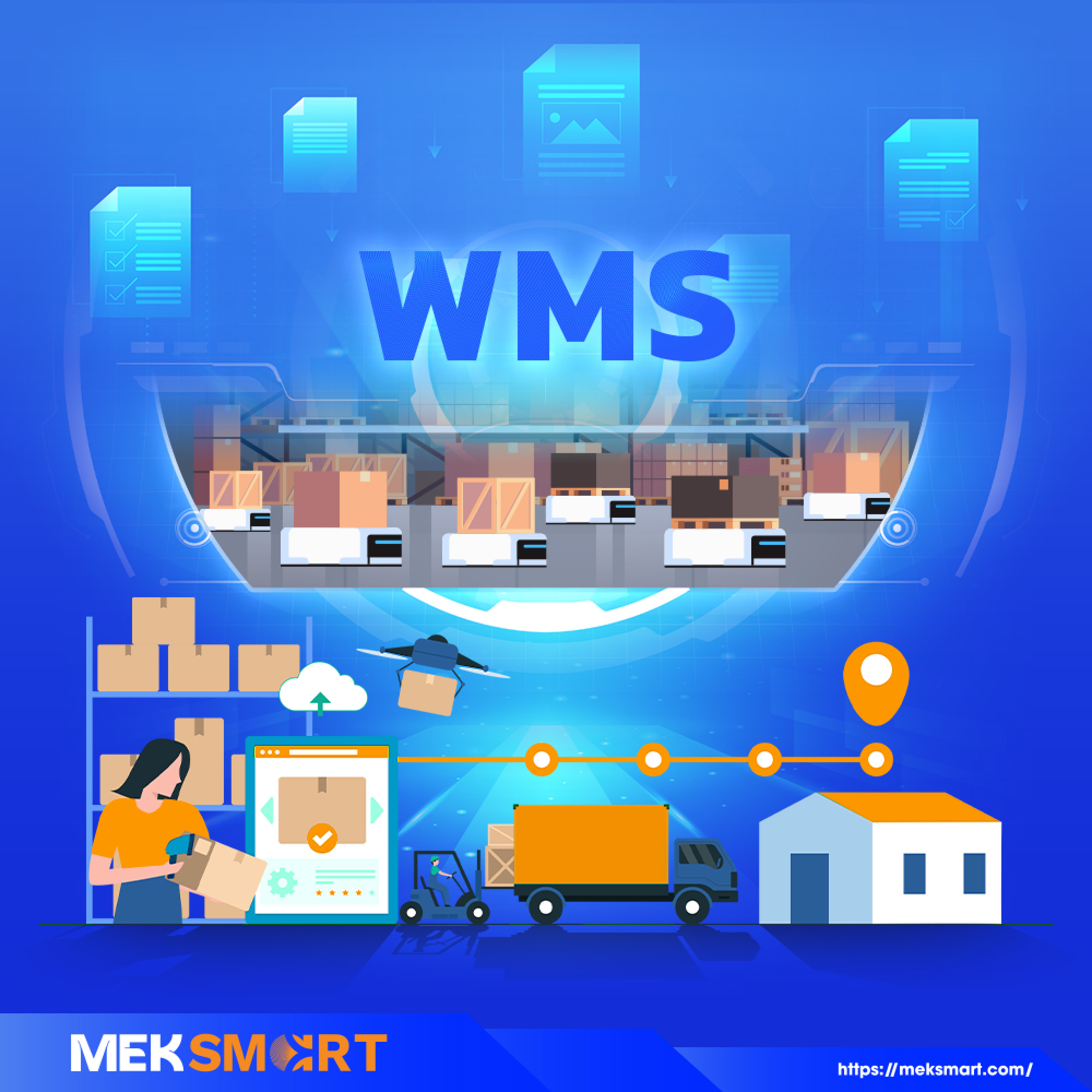
WMS records goods data across warehouse operations
3. Intelligent Lot, Serial, and Inventory History Management with MEKWMS
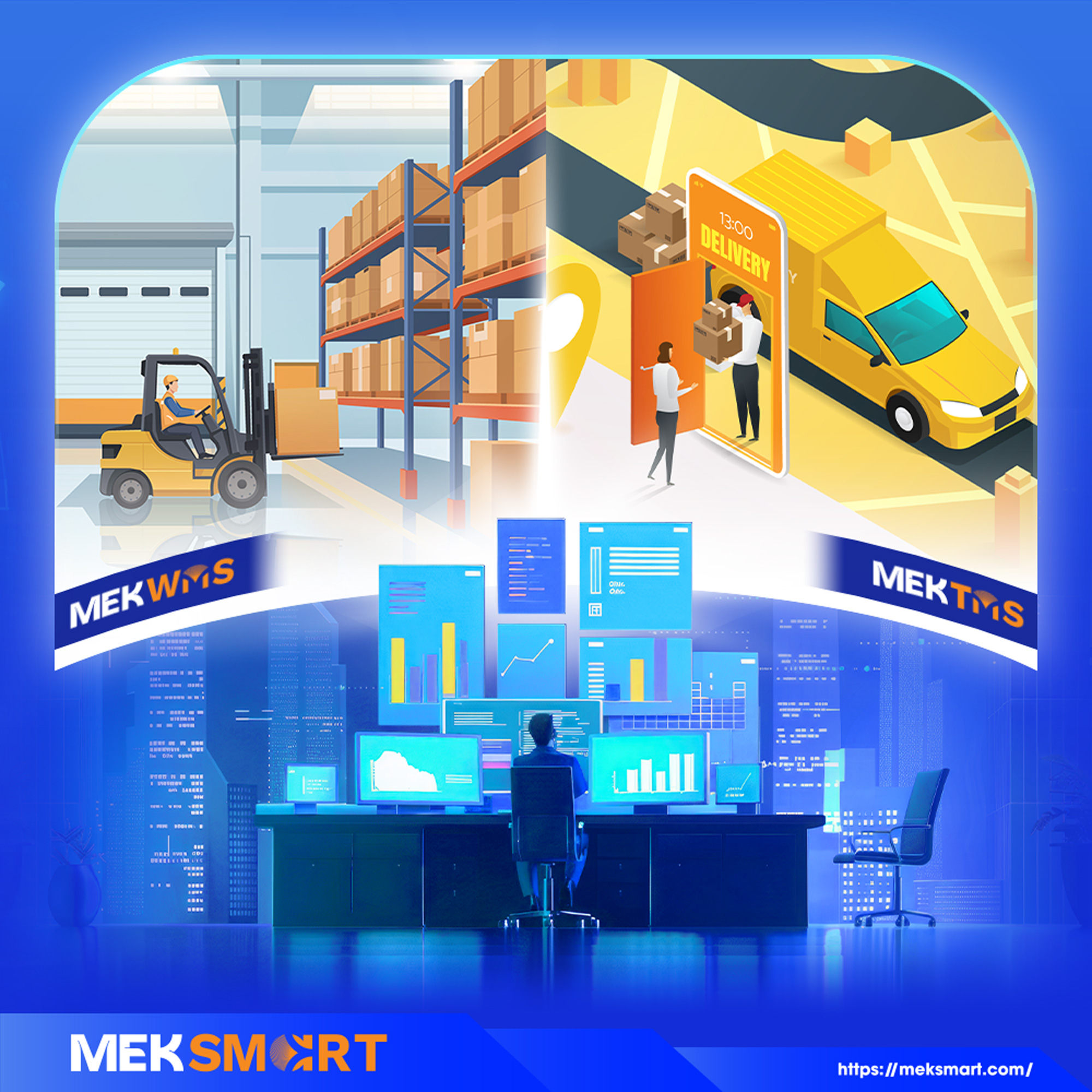
MEKWMS is a warehouse management solution developed by MEKSMART, supporting businesses in managing operations from receiving goods, transferring goods into the warehouse, storage, inventory, picking, packaging, to shipping on a unified platform.
During the receiving process, the system supports managing goods information, alerting to incorrect item entries, assigning storage locations strategically, and updating inventory in real time. When goods are stored and shipped, MEKWMS allows management by location, SKU, Pallet ID, quantity, and Batch/Lot.
For products requiring individual unit tracking, MEKWMS has functions for managing serial and non-serial goods, and provides corresponding reports. The system also supports FEFO, direct counting on handheld devices, and transaction history lookup when discrepancies occur.
Thanks to data recorded throughout the operation, businesses can quickly identify batches or serial numbers requiring inspection, track the location and quantity of goods in the warehouse, shorten reconciliation time when discrepancies arise, minimize errors in receiving, moving, and shipping goods, and create a data source for managing and retrieving goods.
MEKWMS also integrates with ERP, TMS, DMS, Finance, and other systems via API or EDI. Modules can be customized to meet operational needs, business models, and management specifics at multiple business locations.
In addition, MEKSMART provides Custom Logistics Software, supporting the development and adjustment of software according to actual processes. This solution is suitable for businesses with complex warehouse models, requiring specific integrations, or needing to expand the system in stages.
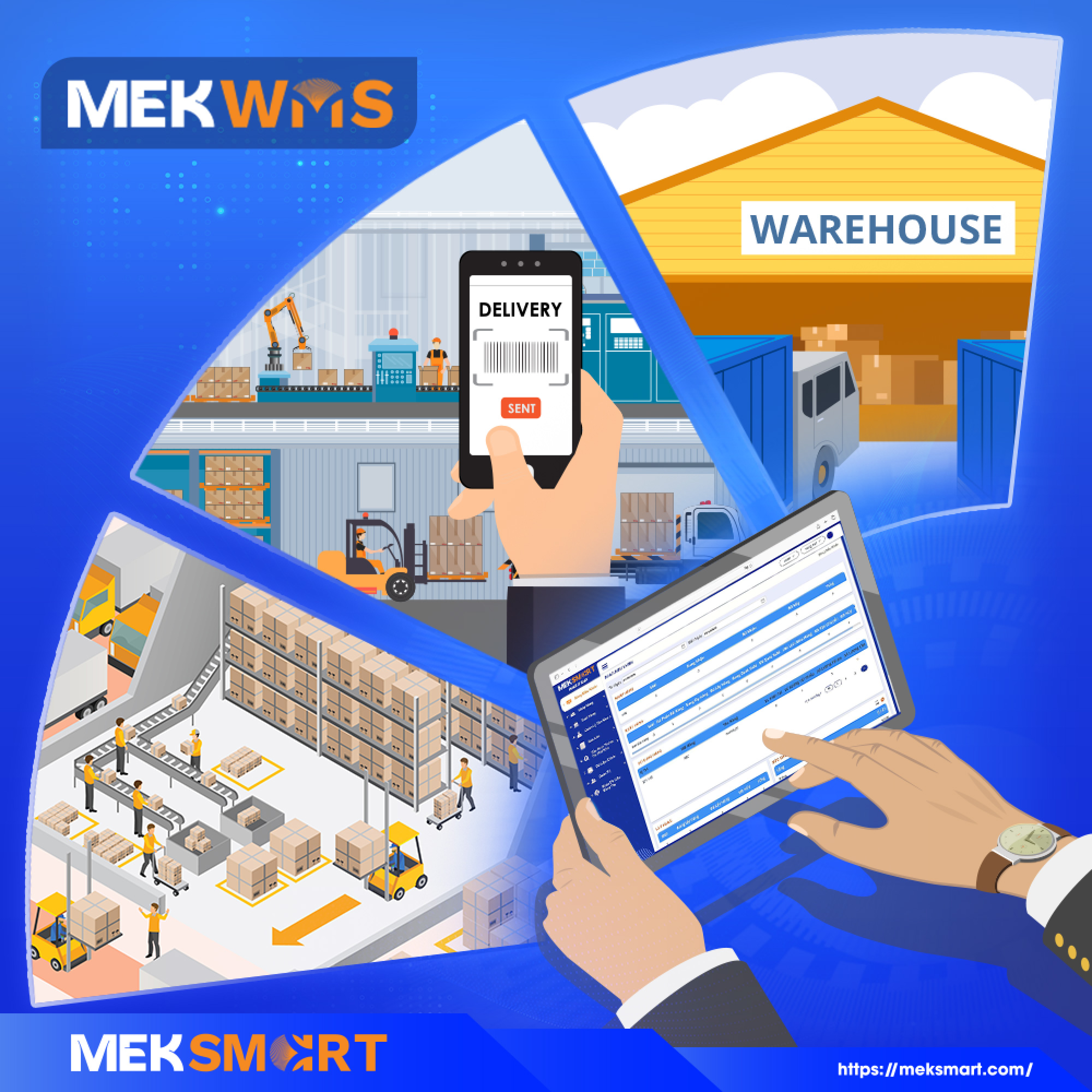
MEKWMS manages batches, serials, and transaction history in the warehouse.
Batch and serial management is fundamental to helping businesses identify goods, control quality, and retrieve transaction history when needed. If data remains stored in a fragmented manner, determining the location, status, and movement of each batch or product becomes difficult.
WMS applications help businesses digitize data at each warehouse operation, connecting information from receiving goods to shipping them and reducing reliance on manual reconciliation. With the ability to manage Batch/Lot, serial, Pallet ID, SKU, FEFO, and inventory in real time, MEKWMS supports businesses in building an accurate warehouse data platform, effectively serving management and traceability operations.
Feature News



MEKSMART TECHNOLOGY SOLUTION CO., LTD
Email : info@meksmart.com
Hotline : (+84)822923650
Offiice : SBI Building, Lot 6B, Street 3, Quang Trung Software Park, Trung My Tay Ward, Ho Chi Minh City, Vietnam
Industries
Solutions
SUBSCRIBE US
PRIVACY POLICY