MEKSMART
GENERAL NEWS

Author: Meksmart .
Update: 31/07/2026
Decree 37/2026/ND-CP: What do businesses need to prepare for chemical traceability?
Decree 37/2026/ND-CP marks a step forward in perfecting the legal framework for product and goods traceability. It's not just a compliance requirement; it's also an opportunity for businesses to standardize data, digitize management processes, and improve operational efficiency. So, what do businesses need to prepare to meet traceability requirements in the future? Let's explore this with Meksmart in the article below.
1. What requirements does Decree 37/2026/ND-CP set for businesses?
The trend of information transparency and traceability is becoming an essential requirement in many manufacturing, distribution, and logistics industries. As supply chains expand, businesses need to manage not only the quantity of goods but also complete information about the origin, movement, and history of each product.
Decree 37/2026/ND-CP was issued to complete the legal framework for product and goods traceability. Accordingly, traceability is implemented according to the list and roadmap stipulated by specialized management agencies, while encouraging businesses to build data systems capable of recording, storing, and sharing information throughout the product's lifecycle.
A traceability system needs to be able to manage information such as the origin of goods, the production or business unit, lot number, serial number, expiration date, and events occurring during circulation. This is the foundation for businesses to enhance transparency, support quality control, and be ready to meet the requirements of management agencies and partners.
The decree aims to standardize data and digitize the goods management process. Traceability helps businesses track the entire product journey, control risks, protect brand reputation, and gradually meet the stringent standards of the market.
At the same time, this is also a tool to support management agencies in controlling quality and monitoring goods in circulation. However, many businesses still face difficulties when data is scattered across Excel spreadsheets, paper documents, or multiple separate software programs.
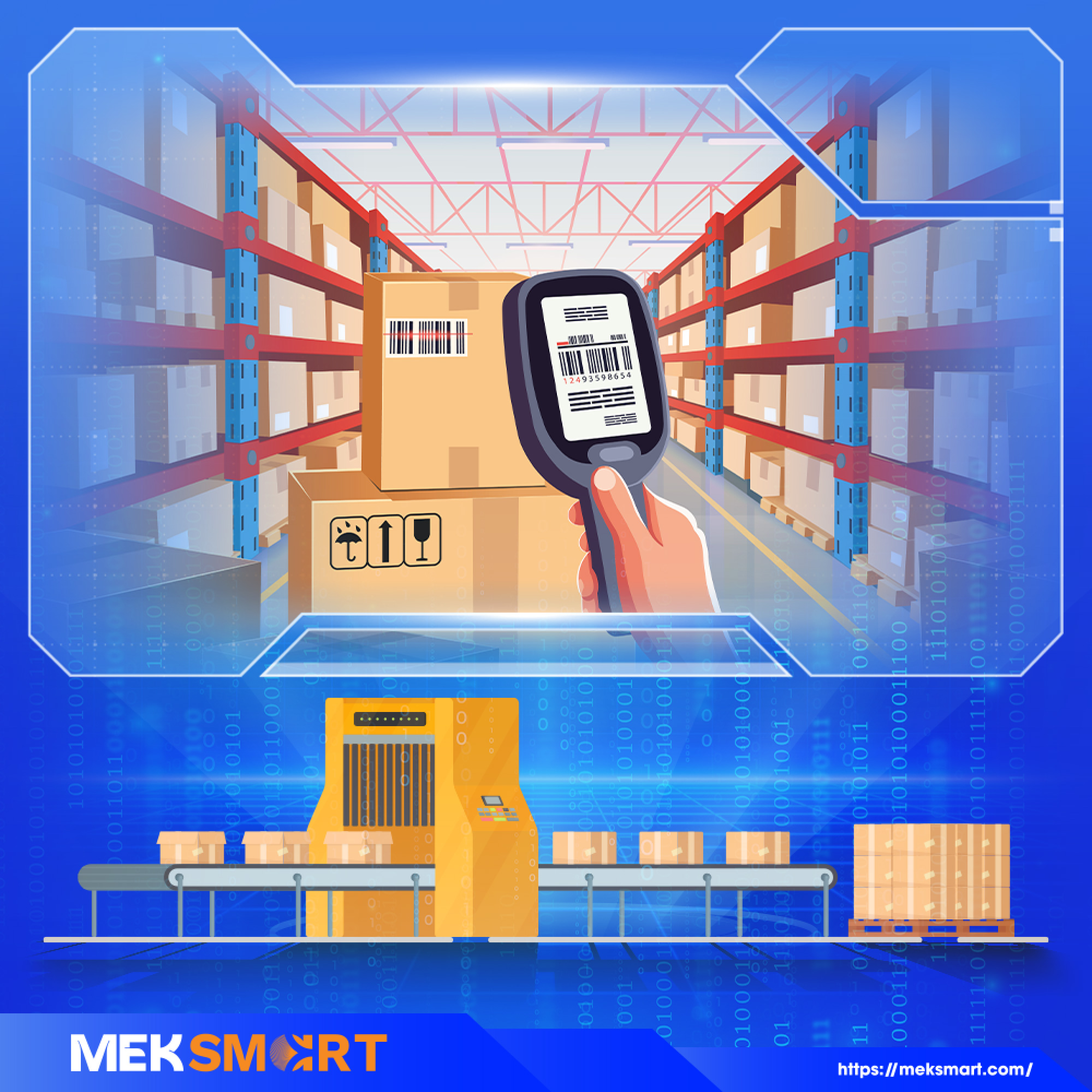
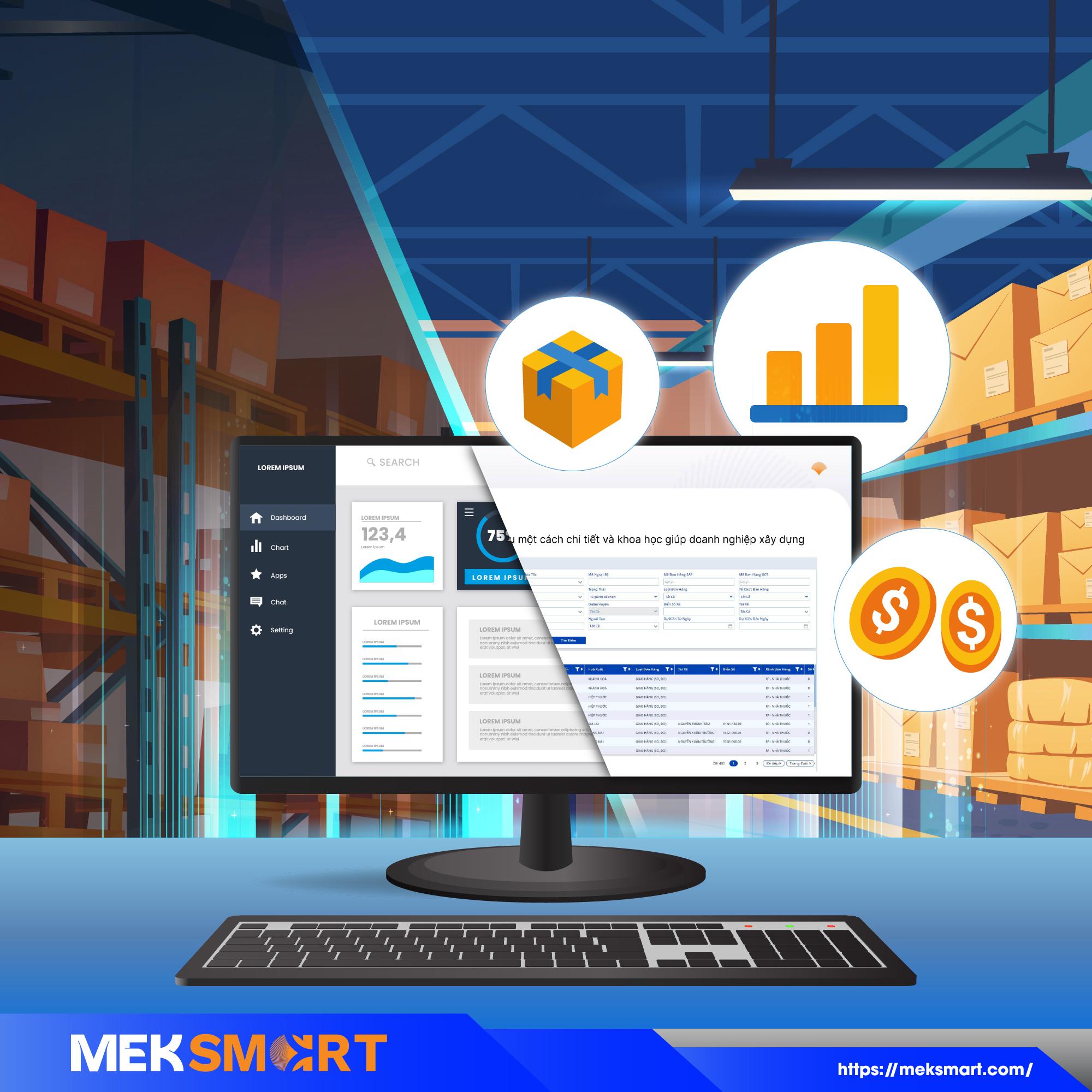
Data standardization is the foundation of product traceability
2. What do businesses need to prepare to meet traceability requirements?
To meet traceability requirements, businesses need to build a unified data system instead of just managing with documents or multiple separate Excel files. Data must be recorded throughout the entire process from receiving goods, warehousing to shipping, so that it can be quickly retrieved when needed.
Some things businesses should prepare include:
- Standardizing product data: Unified management of product codes, barcodes, or QR codes, and tracking batch/lot numbers, serial numbers, production dates, and expiration dates if needed.
- Supply chain data connectivity: Linking supplier information, warehousing, transfers, shipments, customers, and carriers on a single system.
- Standardized operational processes: Fully recording all import, export, inventory, and transfer transactions to ensure data accuracy and consistency.
- Warehouse Management System (WMS) software application: Supporting Batch/Lot management, serial numbers, barcodes, QR codes, FIFO, FEFO, and real-time inventory history storage.
With centralized data and processes, businesses can quickly identify the origin, location, and history of each batch of goods, while improving operational efficiency and readily meeting traceability requirements.
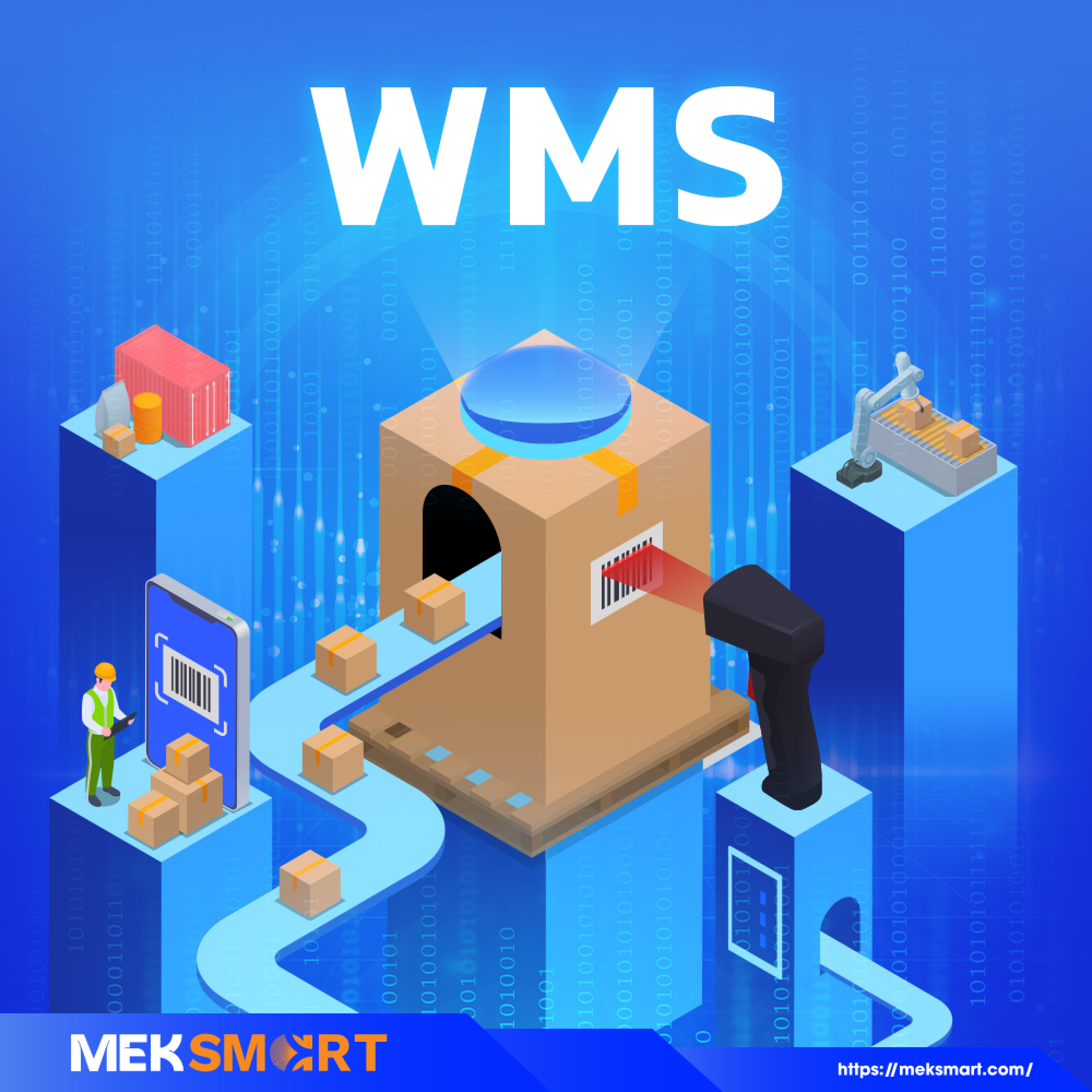
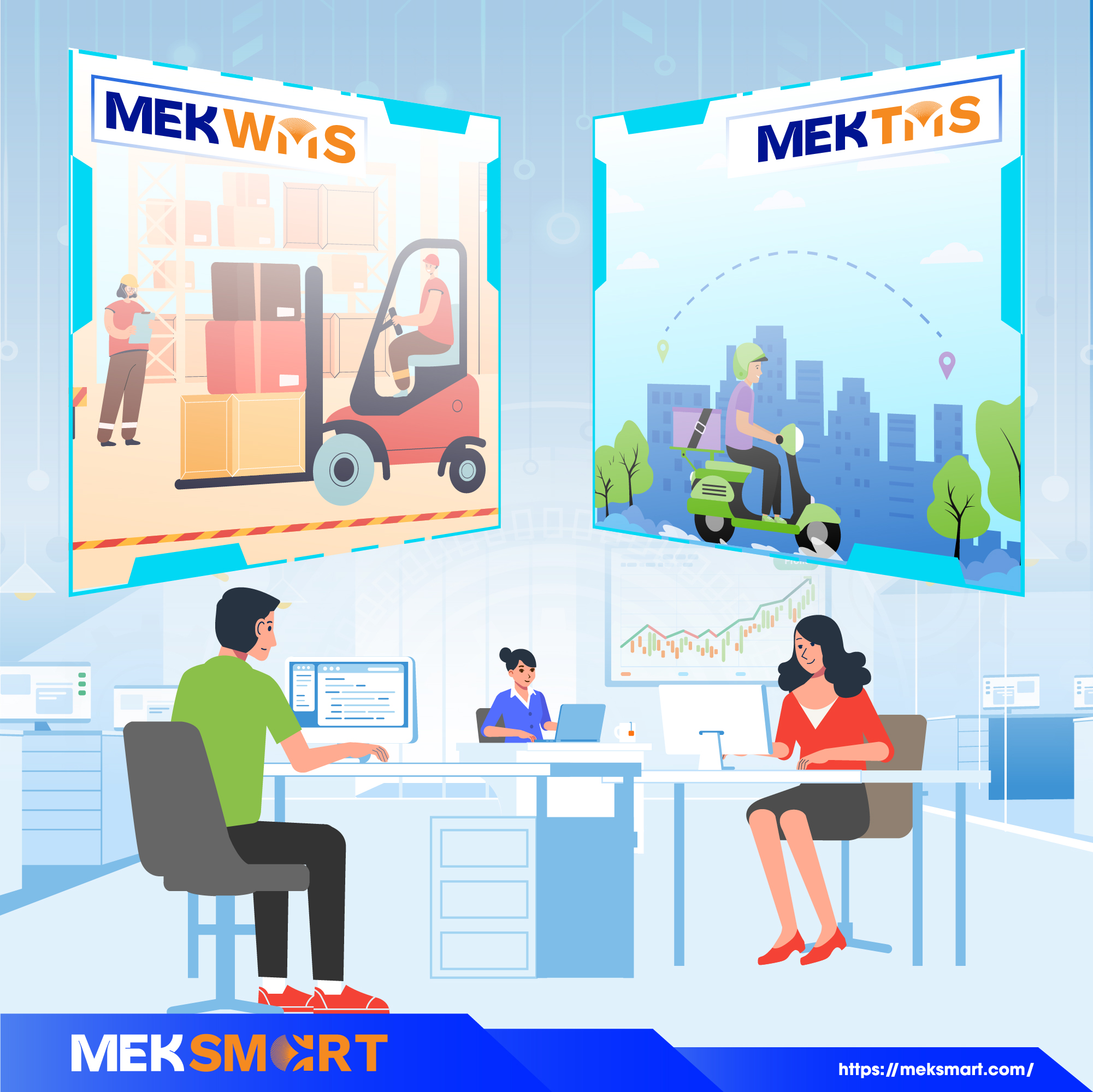
WMS helps businesses manage traceability data effectively
3. MEKWMS - A solution to support businesses in building traceability systems
To meet traceability requirements, businesses need a warehouse management system capable of recording and synchronizing data throughout the entire operation. MEKWMS supports the management of all operations from receiving goods, warehousing, storage, inventory, to shipping on a unified platform. The system tracks inventory in real time, manages Batch/Lot, Pallet ID, SKU, FEFO, and stores
import-export history, helping businesses accurately control goods, shorten information retrieval time, and optimize warehouse operational efficiency.
In addition to the MEKWMS solution, MEKSMART provides Custom Logistics Software - a software development solution tailored to the operational processes, business models, and specific characteristics of each business. The system can be customized and integrated with existing platforms such as ERP, TMS, or OMS, helping to synchronize data, optimize logistics operations, and build a flexible
management platform ready to meet future expansion needs.
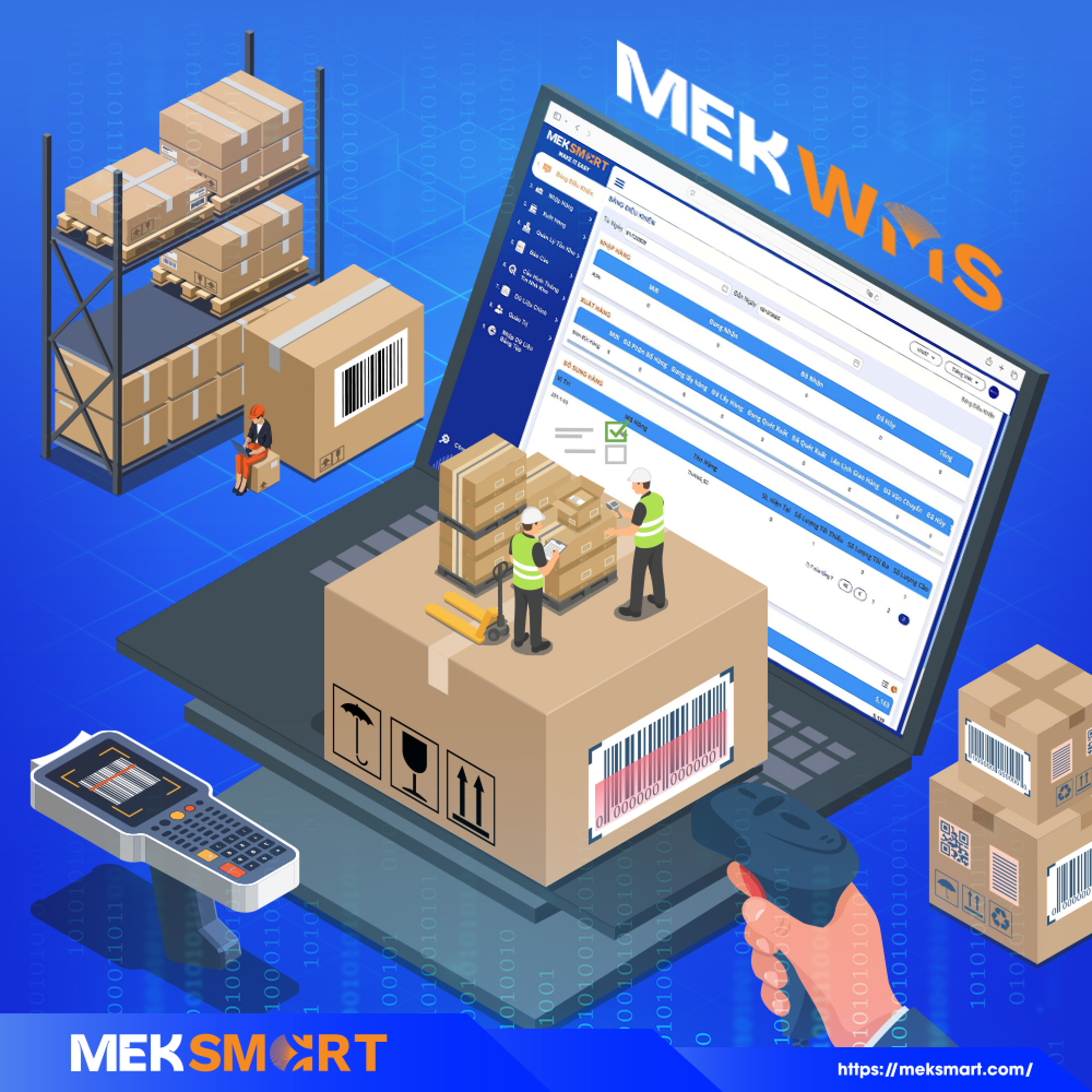
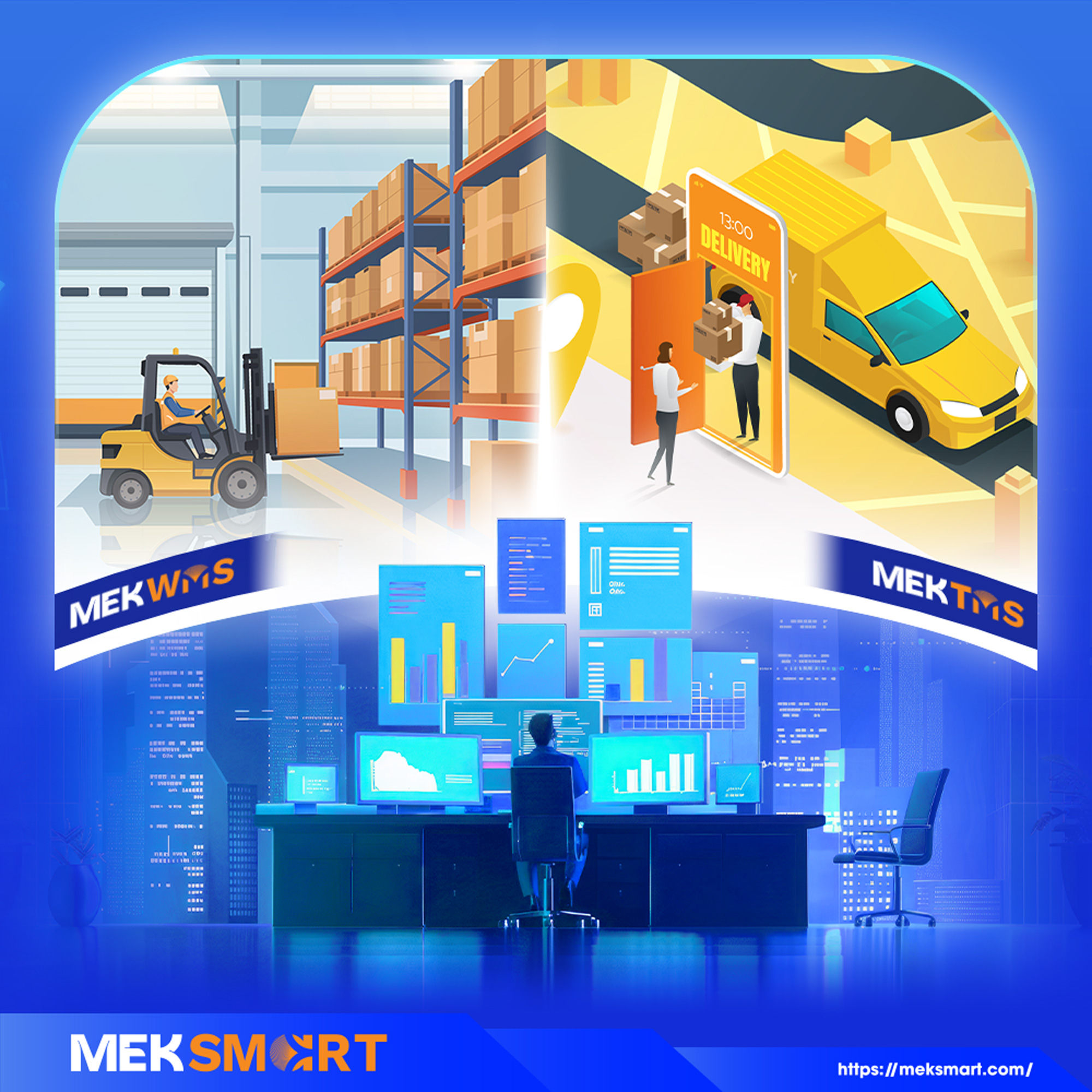
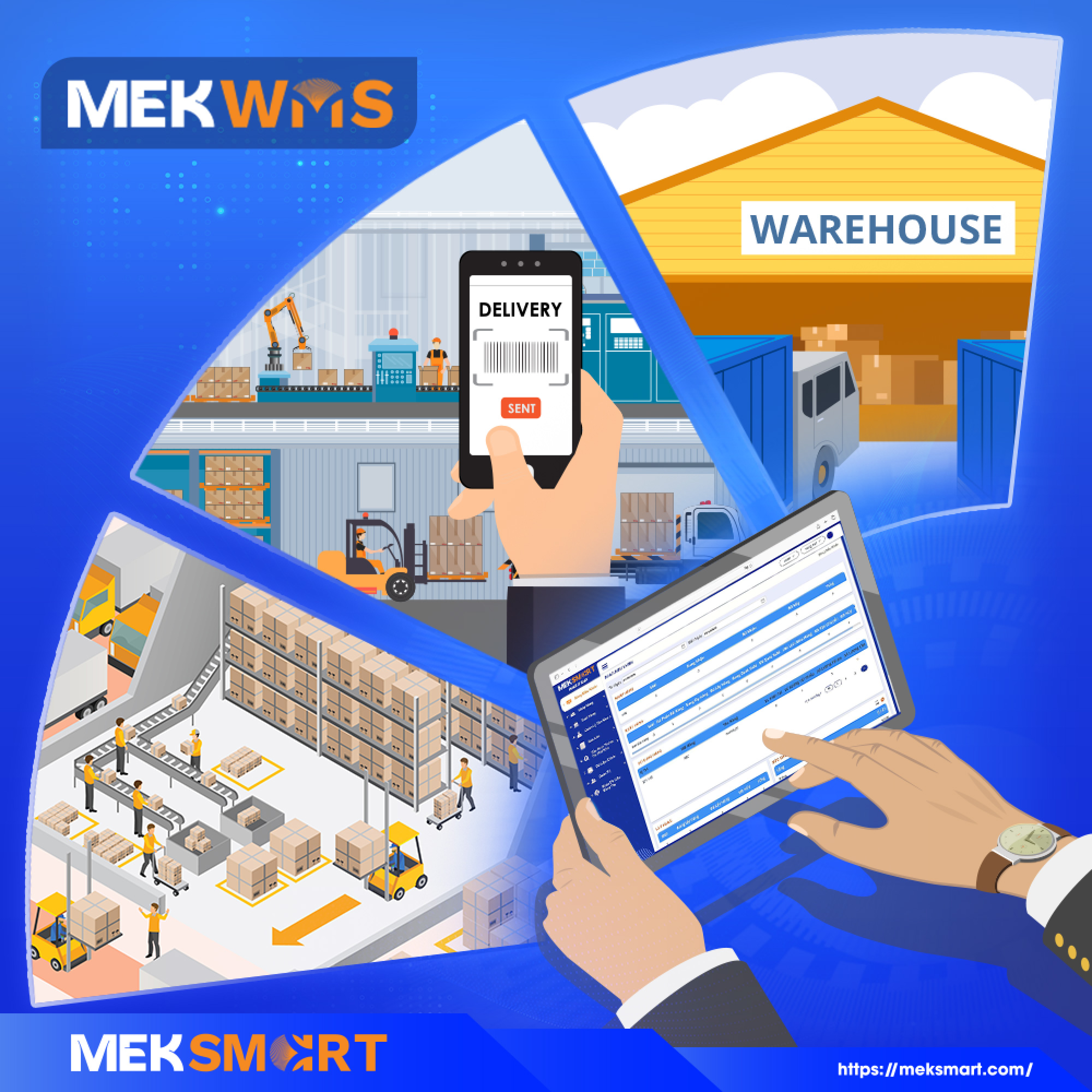
MEKWMS helps businesses digitize warehouse management and traceability
Decree 37/2026/ND-CP shows that traceability is becoming an important part of product and supply chain management. To adapt to the new requirements, businesses need to start by standardizing data, improving operational processes, and applying appropriate management solutions.
Feature News


MEKSMART TECHNOLOGY SOLUTION CO., LTD
Email : info@meksmart.com
Hotline : (+84)822923650
Offiice : SBI Building, Lot 6B, Street 3, Quang Trung Software Park, Trung My Tay Ward, Ho Chi Minh City, Vietnam
Industries