MEKSMART
GENERAL NEWS

Author: Meksmart .
Update: 05/05/2026
Should you hire logistics software from a professional provider or build your own system?
"Should we invest in building our own system or rent ready-made logistics software?" This is a question that many businesses hesitate to answer when starting to digitize their operations.
Ready-made solutions offer advantages in speed and cost, while a self-built system opens up the possibility of in-depth control and customization. But the real difference doesn't lie in the technology, but in whether the business determines whether it's an operational tool or a platform for creating a long-term competitive advantage. Let's explore the answer to this question with Meksmart.
1. Can the current operating system still keep up with the growth rate?
Previously, logistics was often seen as a back-end process, focusing on delivery and order processing. However, in the context of the booming e-commerce and multi-channel sales, logistics has become a central part of the entire business operation.
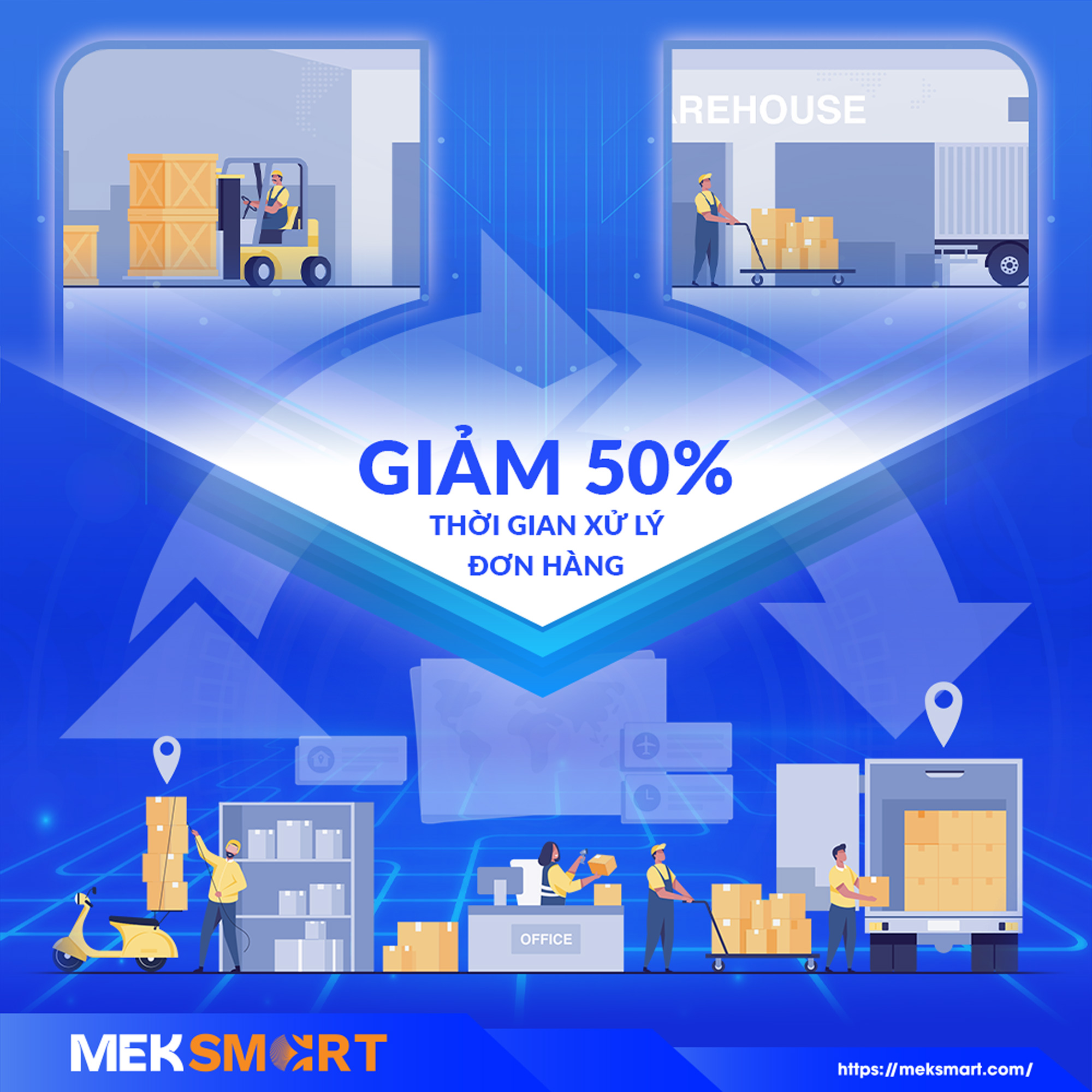
Therefore, the problem is no longer simply "better management," but real-time management, with data seamlessly connected from orders and warehousing to transportation.
An effective logistics software system therefore not only helps track order status but also helps businesses understand how operations are unfolding: why costs change, why inventory levels are imbalanced across channels, and why there are delays in the processing chain. Logistics software not only supports operations but also helps businesses see "inside their own system."
And once the operational problem is clearly understood, the next question is no longer "is a system needed?", but rather: should we build one ourselves or choose an existing solution for more efficient implementation?
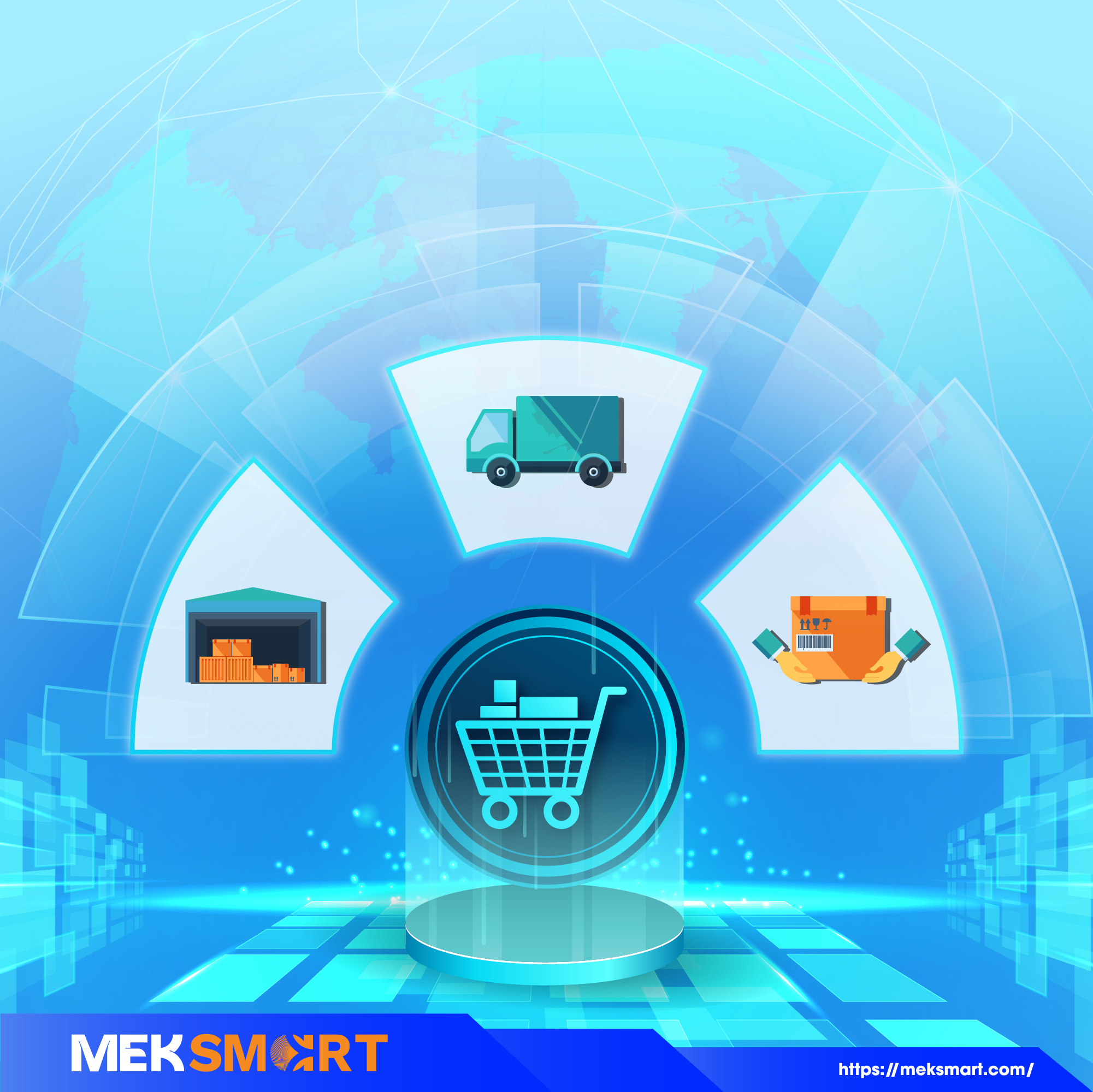
New requirements for operational systems
2. Hiring or building your own logistics software: the problem doesn't actually lie in technology
If a business chooses to build its own logistics software system from scratch, the biggest advantage is control. The entire process can be designed precisely according to internal operations, not limited by an existing system. At the same time, if implemented correctly from the start, this can also be the foundation for optimizing long-term costs and enhancing data security.
However, in reality, this process is often longer and more complex than expected. From the very beginning, clarifying requirements consumes a lot of time, because even the business itself hasn't fully determined what it needs. Subsequently, continuous development and adjustments based on actual operations lead to extended deployment times and costs that can easily exceed the initial plan.
Furthermore, the system is significantly dependent on the core technical team. When personnel changes, maintenance and operation can be disrupted, and some critical parts may even need to be reworked from scratch.
Conversely, when a business chooses to outsource to a provider with an existing logistics software system, the approach becomes more practical. Instead of starting from scratch, the business gains immediate access to systems that have been built and optimized across various operating models. This significantly shortens deployment time and reduces the risk of trial and error.
More importantly, the business no longer has to "figure things out on its own," but can start with a platform that suits its current needs, then adjust and expand it in stages as it develops. At the same time, having a technical and consulting team on hand helps the system to be continuously updated and optimized, reducing dependence on internal resources.
From this, it can be seen that the difference lies not in "hiring or building in-house," but in whether the business chooses the right approach suitable for its stage.
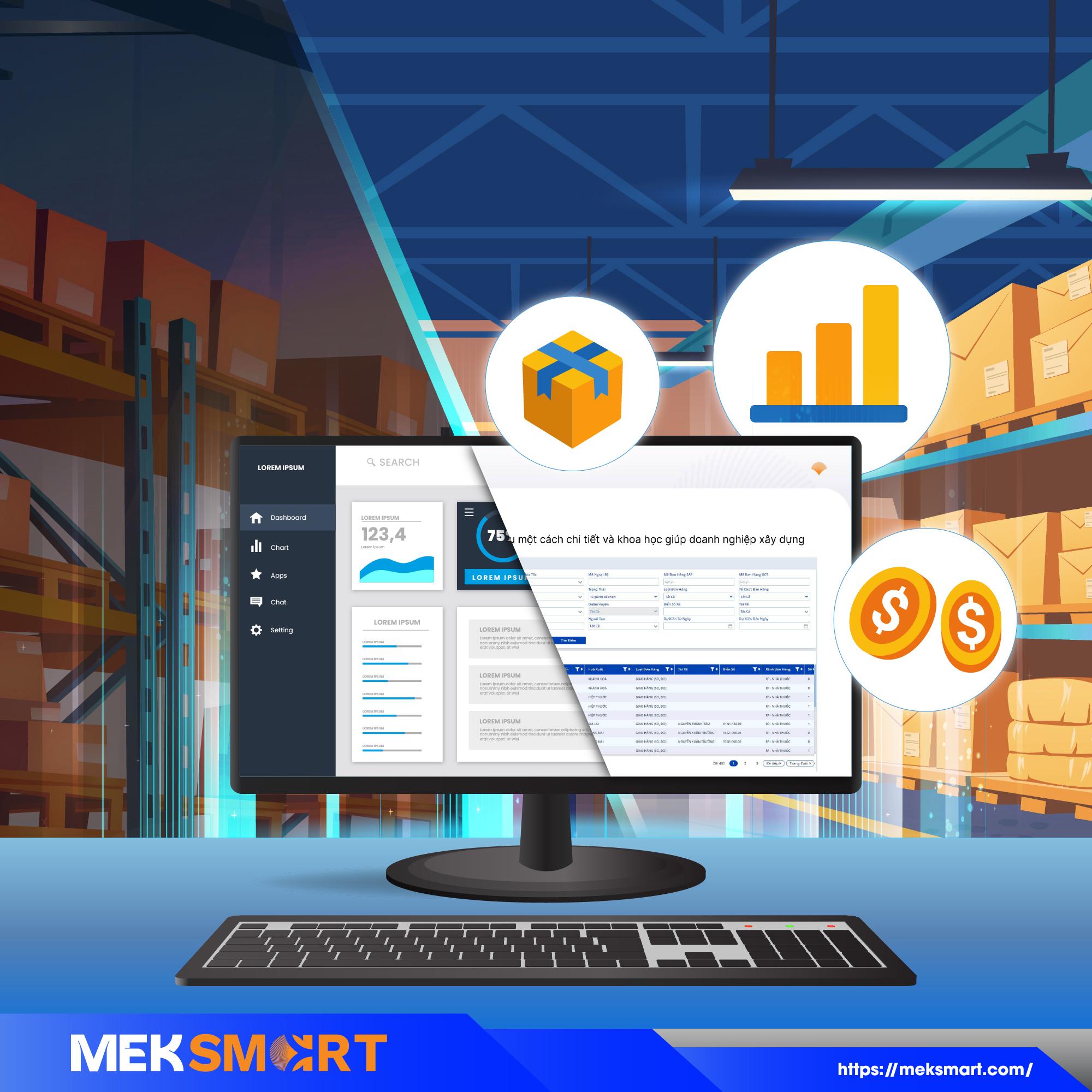
Software leasing model vs. building a logistics system in-house
3. Standardizing operations with solutions from Meksmart
It can be seen that businesses need not only software, but also a sufficiently flexible approach to both rapid deployment and adaptation to actual operations. Meksmart approaches the problem by starting from the business's own operations, then designing solutions around those needs, instead of imposing a fixed system.
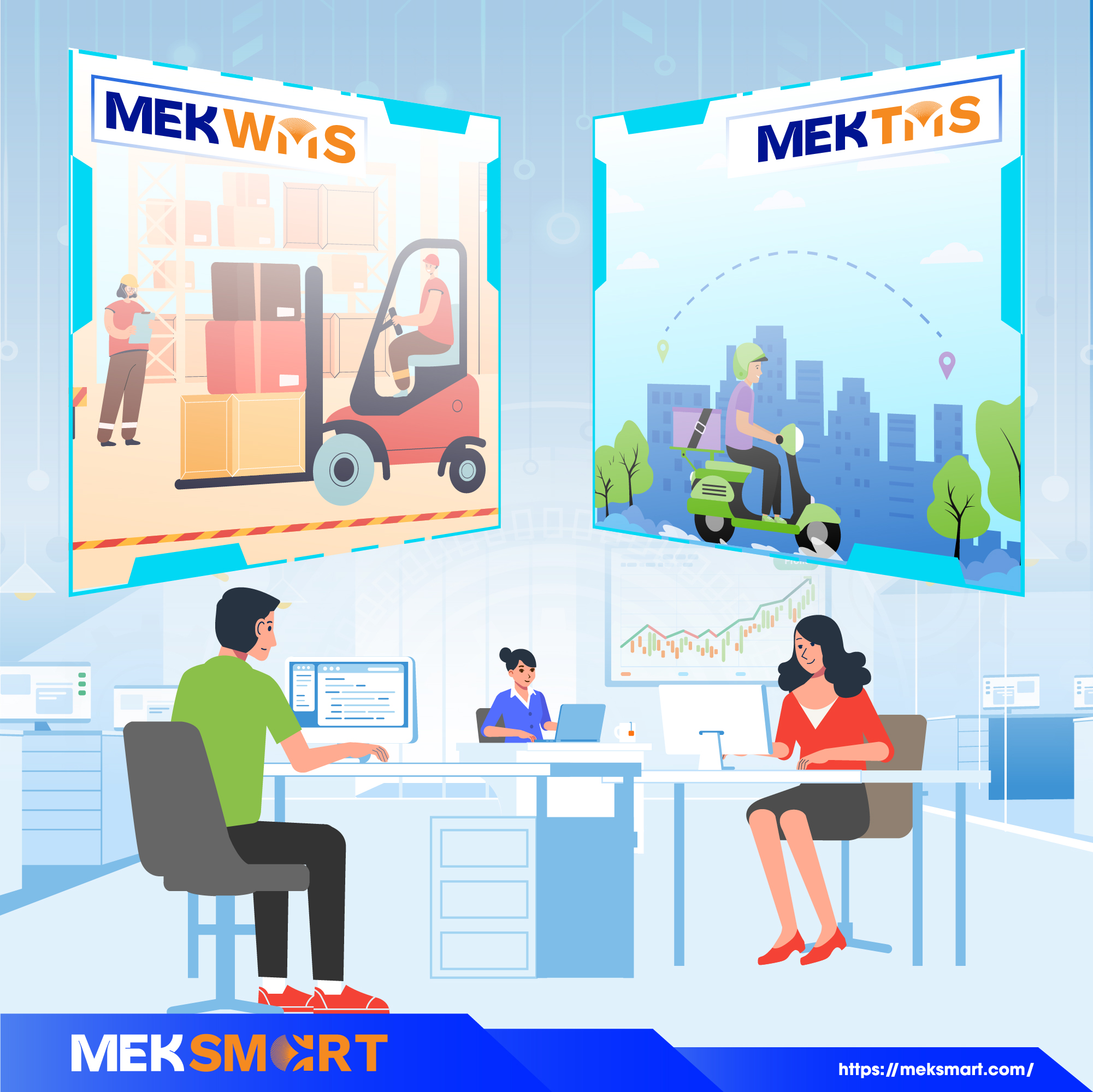
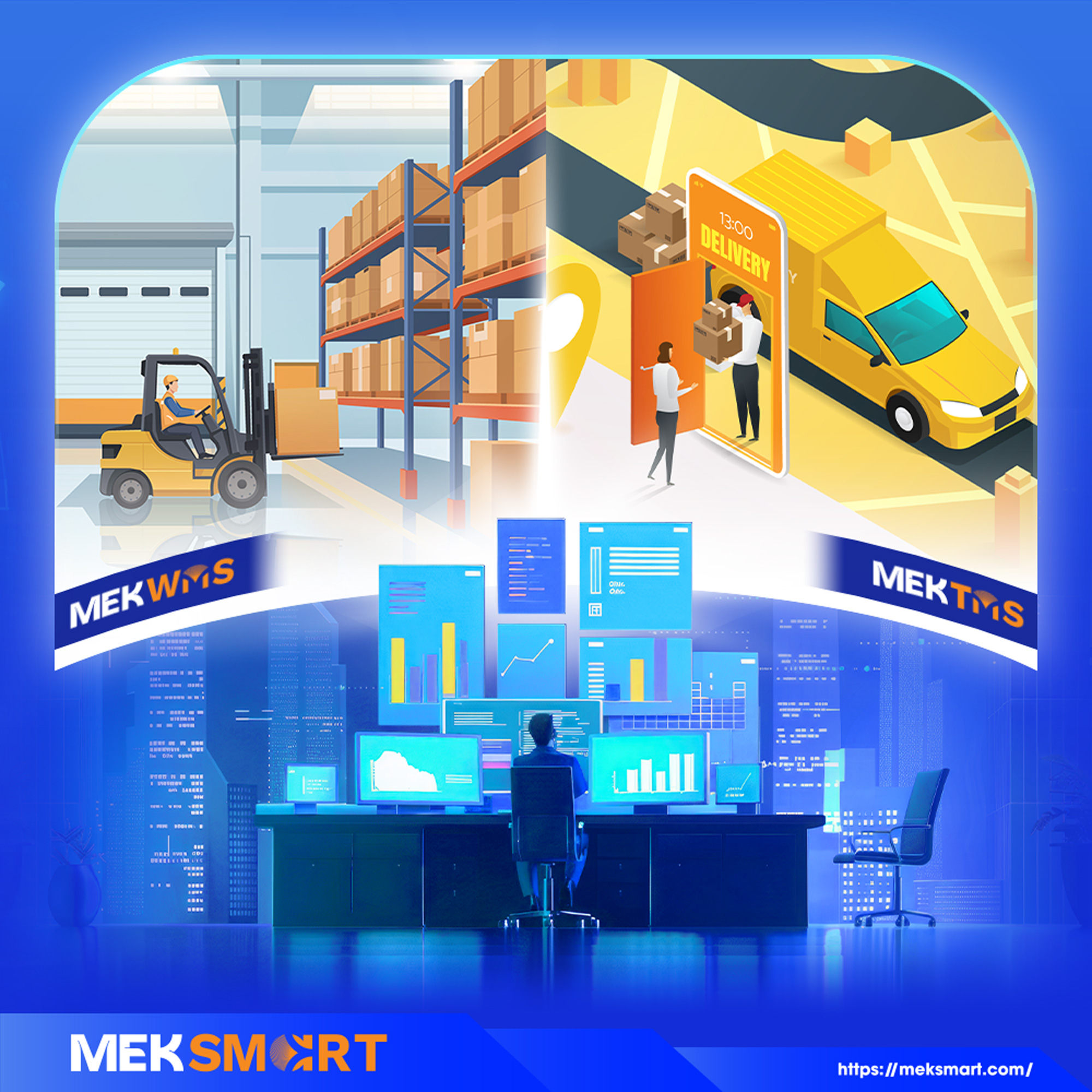
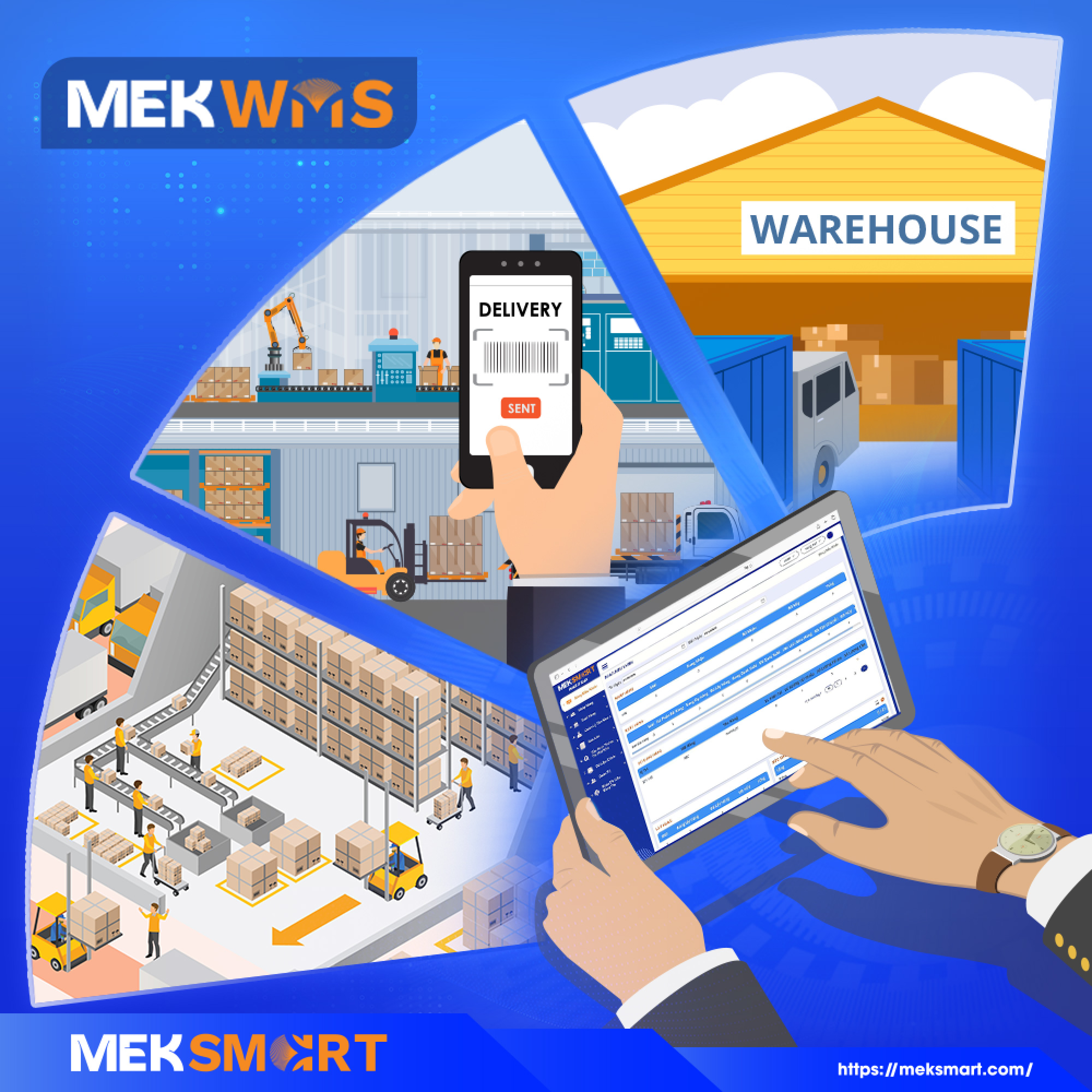
MEKWMS helps businesses control warehouse operations more accurately, from import, export, inventory to goods circulation, thereby limiting data discrepancies and reducing losses in operations. MEKTMS solves transportation problems, supports order coordination, optimizes delivery routes, and controls shipping costs in real time, making the delivery process more proactive and efficient.
Beyond the system, Meksmart's consulting team also accompanies the entire implementation process, from analyzing the current situation and identifying bottlenecks to building a suitable roadmap for each stage of development.
As a result, businesses don't need to choose between deployment speed and customization capabilities; they can operate stably while gradually optimizing according to reality.
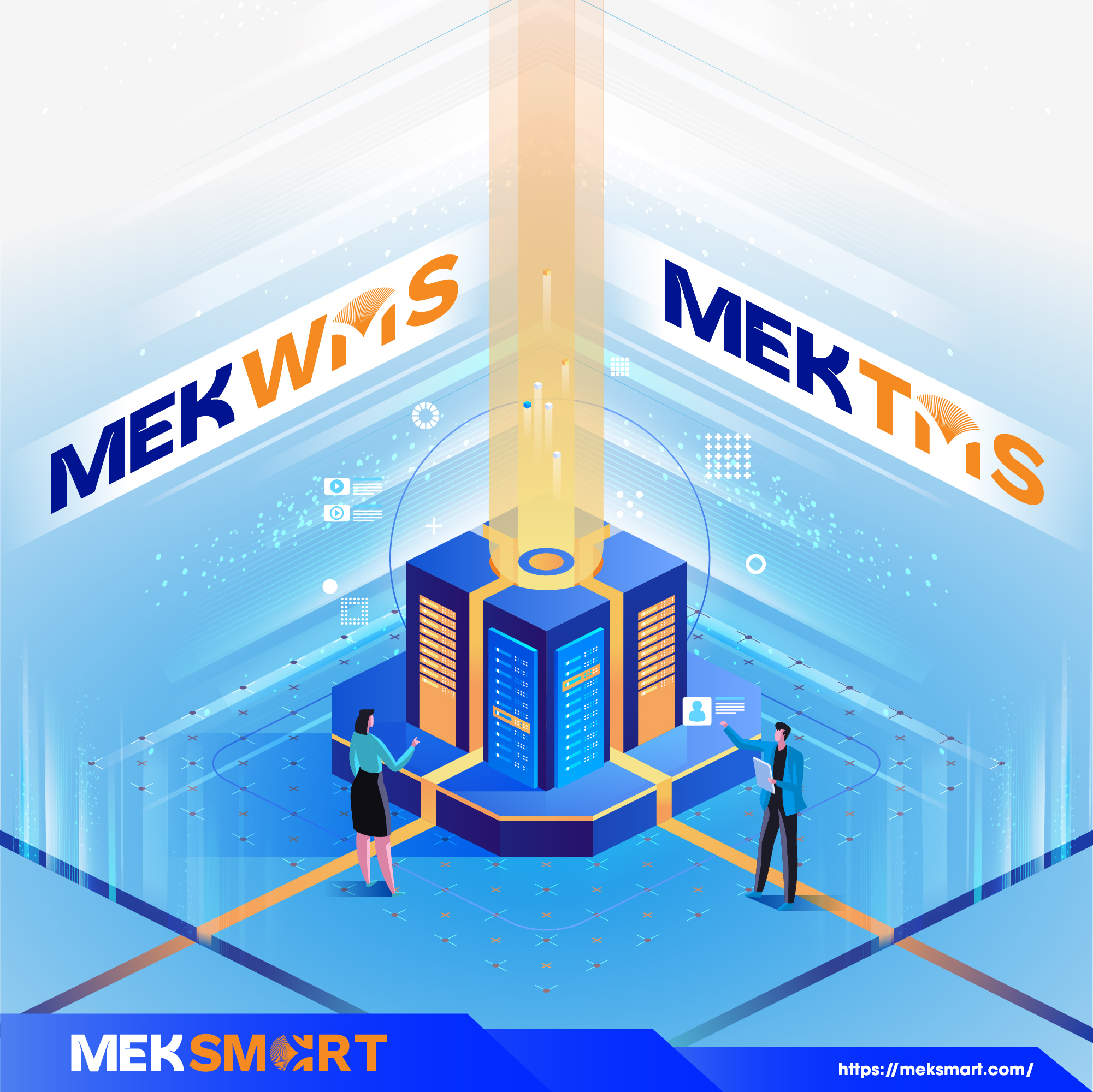
Optimizing logistics management operations with the Meksmart ecosystem
An effective system doesn't need to be perfect from the start, but it must be suitable for operation and flexible enough for development. In a context requiring flexibility between speed and scalability, solutions like Meksmart are becoming a more balanced approach, helping businesses operate stably while being ready for long-term growth.
Feature News


MEKSMART TECHNOLOGY SOLUTION CO., LTD
Email : info@meksmart.com
Hotline : (+84)822923650
Offiice : SBI Building, Lot 6B, Street 3, Quang Trung Software Park, Trung My Tay Ward, Ho Chi Minh City, Vietnam
Industries