MEKSMART
GENERAL NEWS

Author: Meksmart .
Update: 05/05/2026
How much customization is needed for rental inventory management software to avoid revenue loss?
The development of the warehouse leasing model is changing how logistics businesses approach warehouse management systems. No longer limited to operations, the core problem has shifted to revenue control and optimizing financial efficiency, where the customization capabilities of WMS become a decisive factor.
1. Overview of Warehouse Management System (WMS 3PL)
Warehouse Management System (WMS 3PL) is a system that helps logistics businesses manage goods, operate warehouses, and provide services to multiple customers on a single platform.
Unlike traditional warehouse management systems that focus only on inventory management (inbound, outbound, and stock), WMS 3PL must simultaneously handle many complex factors:
- Multiple customers with separate data
- Multiple price lists and contract terms
- Multiple separate operating procedures
- Multiple types of services
Each customer in the warehouse is almost a "separate operating system," forcing the system to be flexible to adapt. This makes WMS 3PL not only a warehouse management tool, but also a system for managing services and revenue behind the operation.
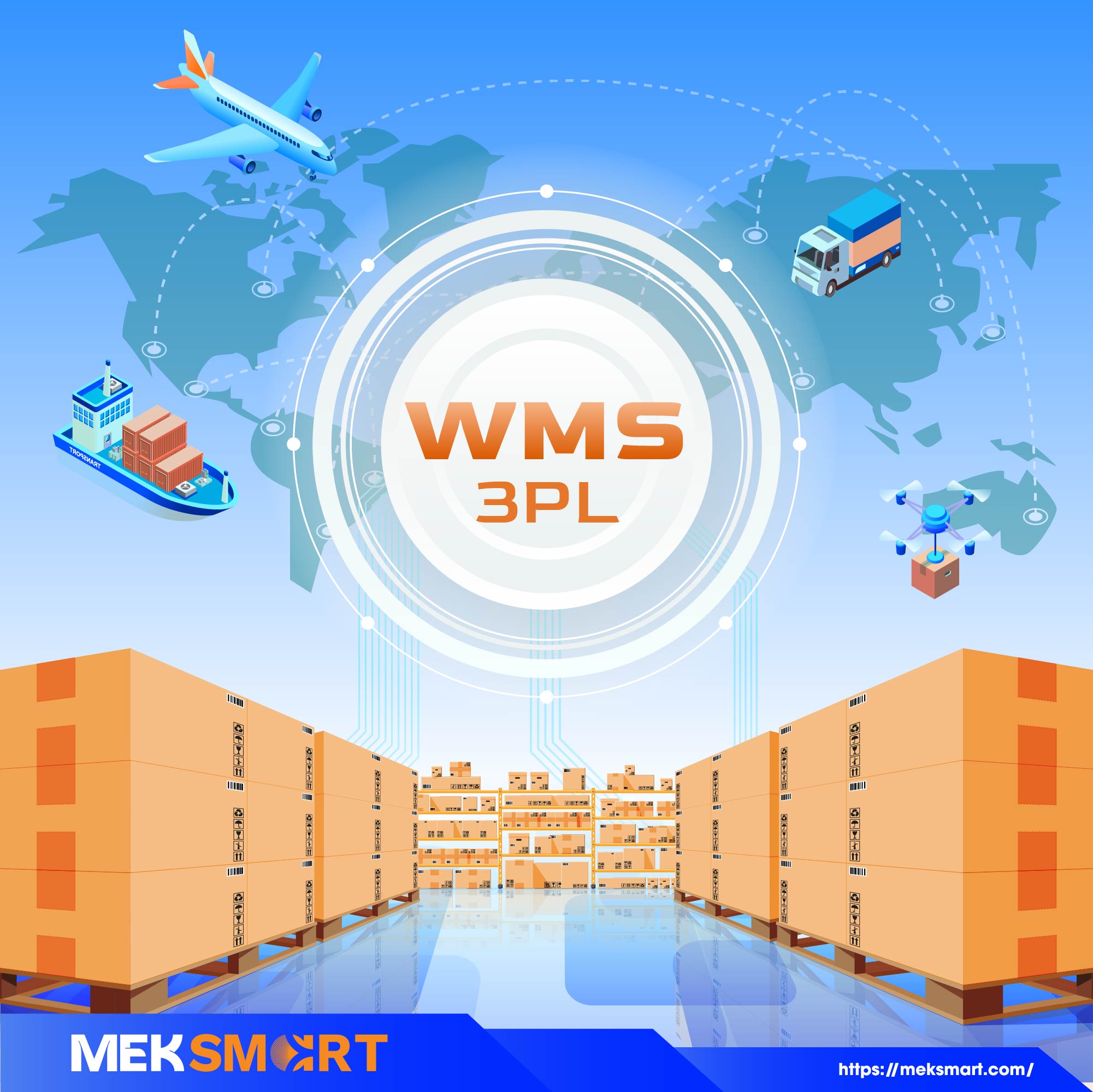
The role of WMS 3PL software
2. Why does WMS 3PL need high customization?
A medium to high level of customization is necessary for warehouse management software for leased goods, primarily due to the complexity of invoicing rather than the core warehouse operations.
- The core problem lies in invoicing, not operations: Warehouse operations such as receiving, shipping, and storage can be standardized. However, the most complex part lies in how fees are calculated for each activity. Each customer has its own pricing structure and terms. If the system is not flexible enough to configure, businesses are prone to billing errors, revenue losses, and reliance on manual processing. Therefore, the customization capabilities of warehouse management software for leased goods not only serve operations but directly determine financial control.
- Diverse invoicing rules and pricing structures: Each customer may apply various pricing methods such as pallet-based, tiered, minimum fee, or specific contract terms. Standard WMS struggles to accommodate these structures, easily leading to manual processing and errors. - Converting warehouse operations into billable events: All warehouse operations can be converted into revenue, but only if the system can accurately record and map them. Operations such as receiving, picking, packing, inventory adjustments, and handling defective goods need to be converted into billable events. Without this layer of logic, many services performed will not be fully recorded, causing losses that the business may not easily recognize.
- Managing Value-Added Services (VAS): Warehouses not only store goods but also provide many value-added services including product repackaging, labeling, counting, processing, or handling. This is a group of services that generate high profit margins but are difficult to standardize. The system needs to be able to flexibly configure to accurately record and charge for each customer and each order.
- Flexible storage fee calculation logic: Storage fees can be calculated per pallet/day, average inventory, or actual storage time. Each method requires its own configuration to ensure accuracy.
- ERP and financial system integration: Integration with ERP systems helps synchronize invoice data, financial reports, and audit logs. Lack of integration leads to limitations such as manual data entry by accountants, easily inaccurate data, and difficulty in control and reconciliation. Therefore, connections between WMS and financial systems often need to be custom-designed to suit each business.
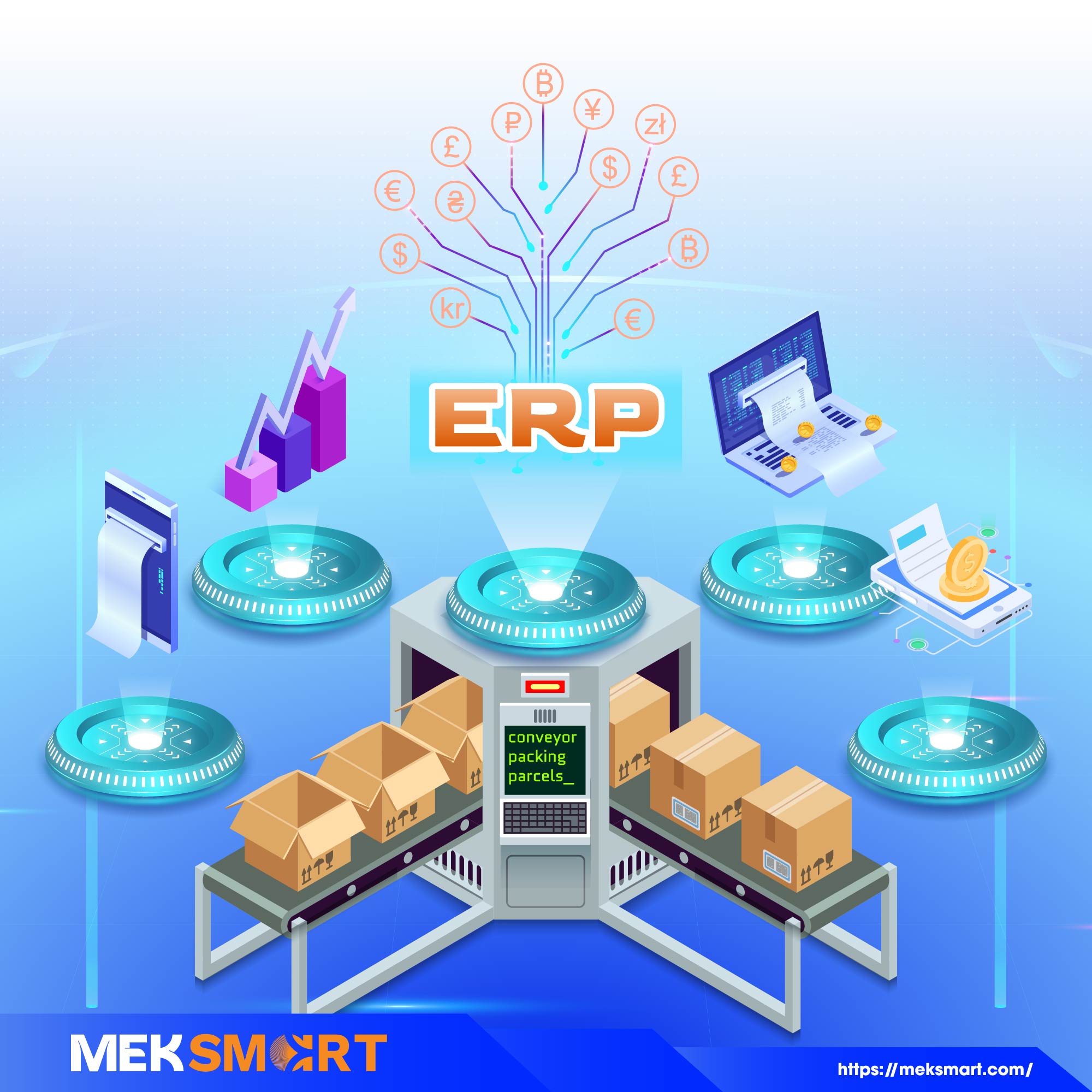
Customizing WMS to flexibly handle 3PL fee calculation problems
3. MEKWMS 3PL - Comprehensive warehouse rental management solution
With experience in deploying warehouse management solutions for logistics businesses and warehouse rental models, MEKSMART has developed MEKWMS 3PL to directly address the specific challenges of multi-customer operations and revenue control.
MEKWMS 3PL comprehensively addresses the needs of this model, transforming operations from manual and fragmented to a centralized, data-driven, and scalable management model. As a result, businesses improve service quality while better controlling risks and operating costs.
- Improved operational efficiency: Reduced manual operations, minimized errors
- Improved process standardization: Synchronized operations across multiple customers
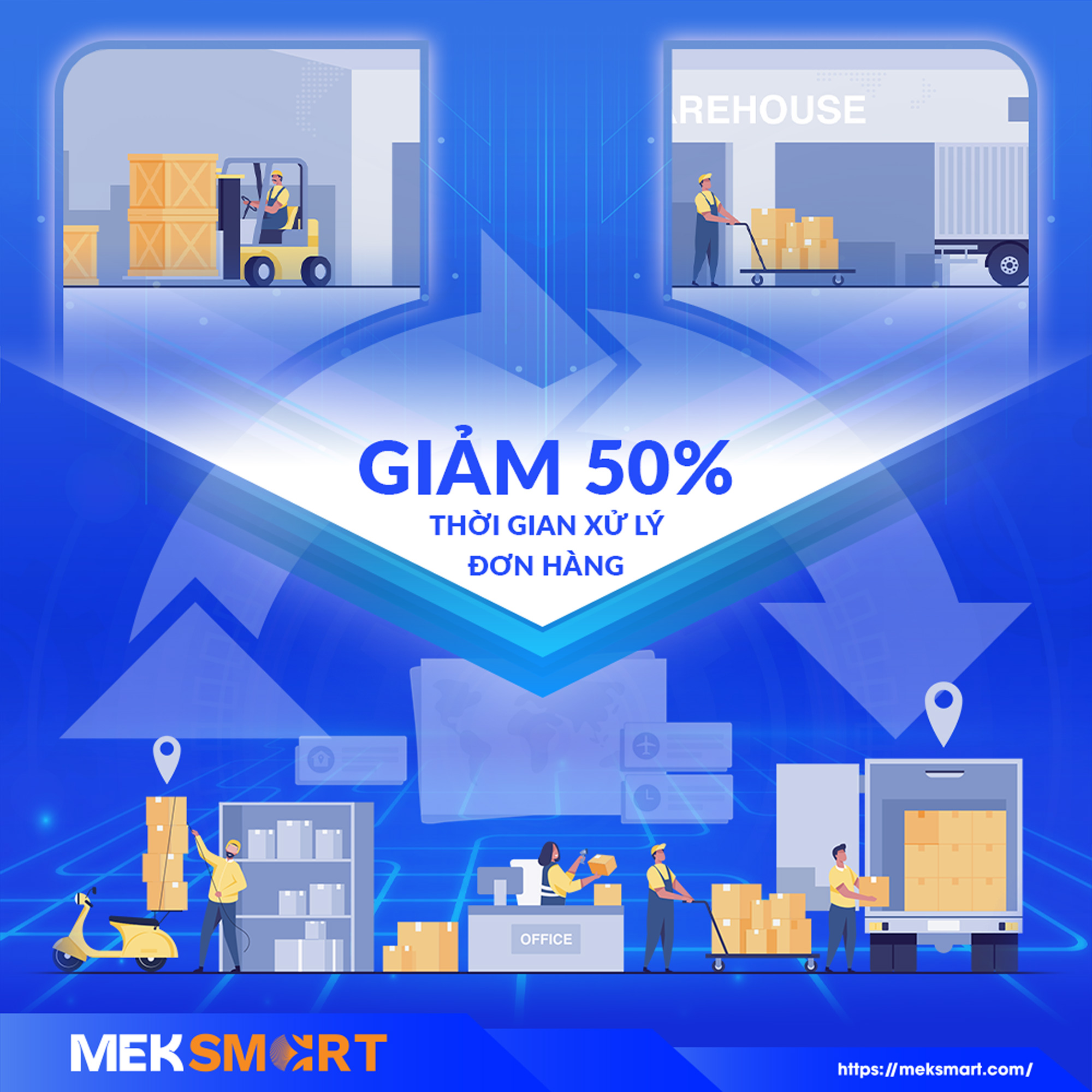
- Improved processing speed: Shortened order processing time
- Improved invoicing & cost control: Accurate billing, reduced losses
- Improved decision-making: Real-time data, supporting effective management
- Improved scalability: Easily scaled
- Improved customer experience: Transparent information, enhanced service
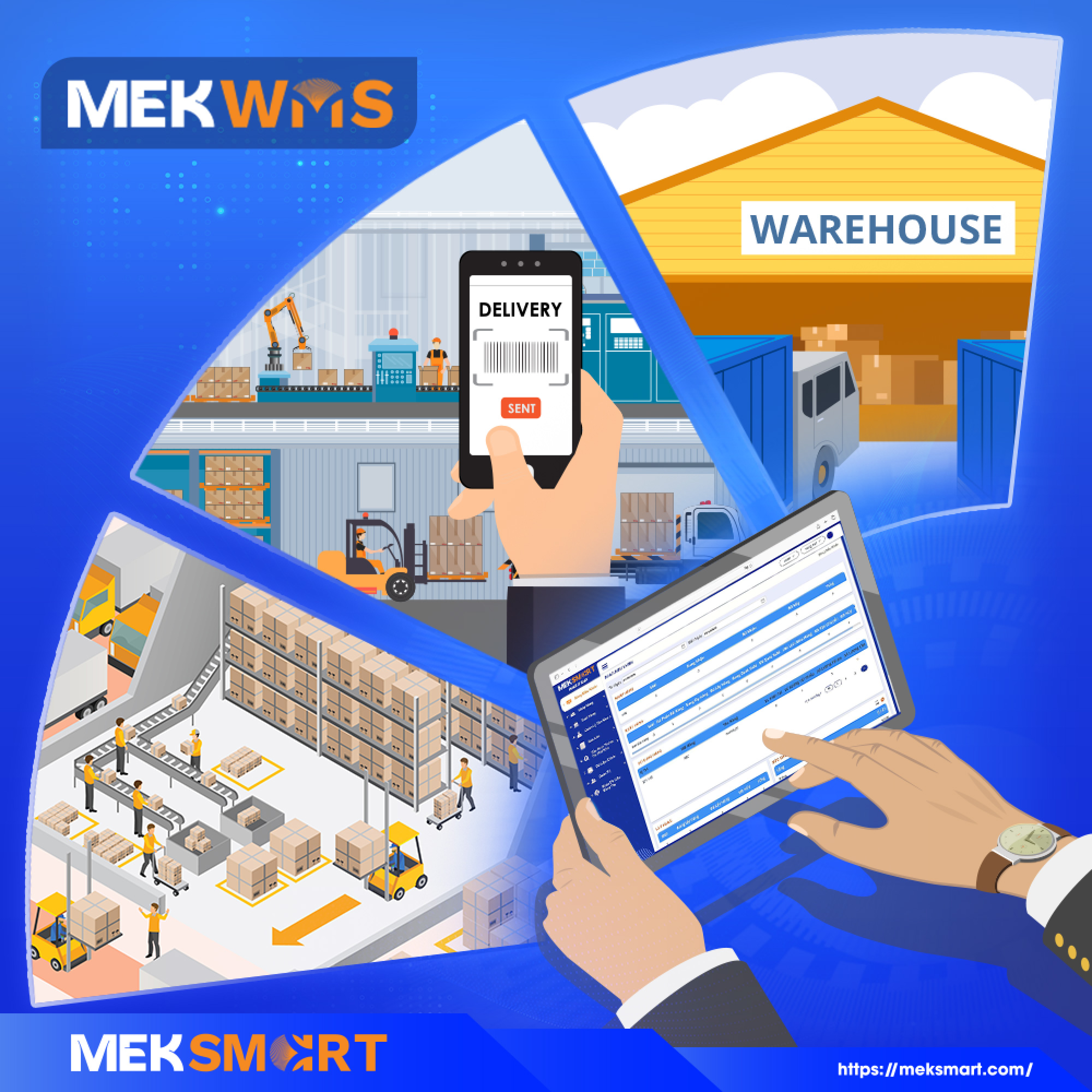
MEKWMS 3PL transforms warehouse operations towards data-driven optimization
In the warehouse leasing model, WMS is not only a tool for managing goods but also a system for managing revenue and expenses. Therefore, choosing a highly customizable warehouse leasing management software like MEKWMS 3PL is crucial for businesses to avoid revenue losses, optimize operations, and enhance competitiveness in the logistics industry.
Feature News

MEKSMART TECHNOLOGY SOLUTION CO., LTD
Email : info@meksmart.com
Hotline : (+84)822923650
Offiice : SBI Building, Lot 6B, Street 3, Quang Trung Software Park, Trung My Tay Ward, Ho Chi Minh City, Vietnam
Industries