MEKSMART
GENERAL NEWS

Author: Meksmart .
Update: 30/01/2026
DIGITALIZING THE SUPPLY CHAIN: CHALLENGES OF TMS SYSTEMS AND A SUSTAINABLE PATH TOWARD 2030
In the context of rapid supply chain digitalization, Transportation Management Systems (TMS) are playing an increasingly important role in improving operational efficiency and controlling logistics costs. However, in reality, many enterprises have yet to fully unlock the value of TMS, as a significant gap remains between expectations and actual implementation outcomes.
This raises the question of whether current TMS solutions can truly meet the demands for speed, cost efficiency, and sustainability toward 2030.
1. Supply Chain Digitalization: From Competitive Advantage to Mandatory Requirement
Global supply chains are under immense pressure from the boom in e-commerce, rising demand for fast delivery, service personalization, and unpredictable market fluctuations. In this context, manual operating models based on Excel spreadsheets or personal experience are no longer sufficient and may even silently erode profit margins.
Supply chain digitalization enables enterprises to shift from experience driven operations to data-driven operations, delivering three core values:
-
Decision-making speed: Real-time operational data allows businesses to respond quickly to changes in orders, routes, or unexpected costs.
-
Transparency and cost control: Costs can be tracked in detail down to each shipment, trip, and customer, giving enterprises a clear view of true transportation performance.
-
Scalability and sustainable growth: A well digitalized supply chain allows businesses to scale operations without a proportional increase in headcount and management costs.
As a result, supply chain digitalization has moved from being a competitive advantage to a mandatory requirement. This shift poses major challenges for existing technology systems, especially TMS the core system in transportation management.
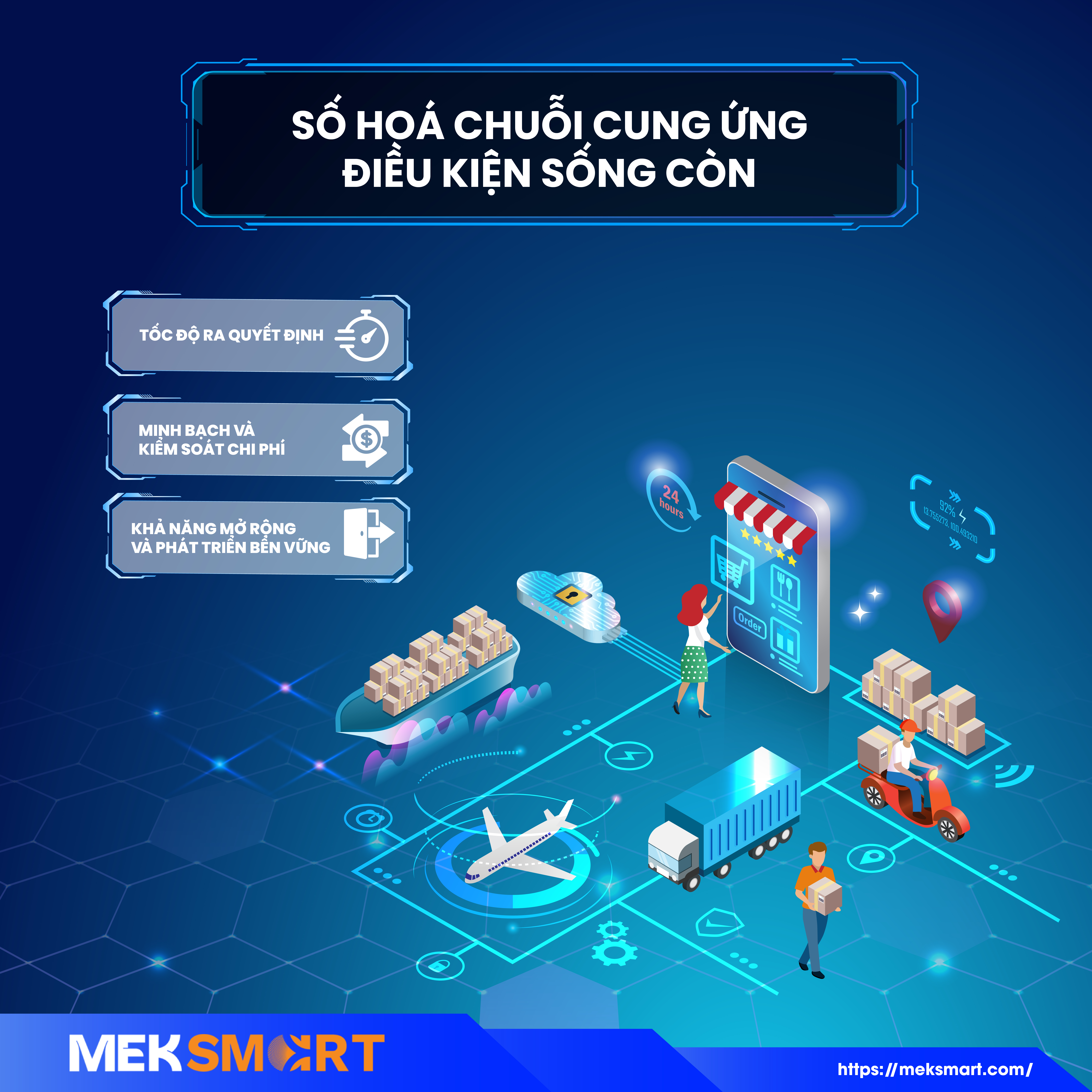
Supply Chain Digitalization - A Survival Requirement in the Digital Logistics Era
2. Can Current TMS Solutions Keep Up with the Continuous Evolution of Supply Chain Digitalization
Traditionally, TMS has been regarded as a tool for transportation coordination and tracking. However, as supply chain digitalization deepens, the role of TMS is being pushed to evolve from simple management toward optimization and decision support.
In a digital supply chain, speed has become a prerequisite. Rapid order growth, shorter delivery times, and frequent uncertainties require operational systems to respond in near real time. This presents a major challenge for TMS models that still rely heavily on historical data and human experience.
Alongside speed is the pressure of cost control and sustainability. As operations scale up, logistics costs become increasingly complex across trips, routes, and customers. If a TMS only records data without strong analytical capabilities, enterprises will struggle to make optimal long-term decisions.
These new demands are forcing TMS to transform. To remain effective and sustainable through 2030, enterprises need to integrate TMS with technologies such as IoT (real-time tracking of vehicles, fuel, and operational status) and AI (data analytics, demand forecasting, and optimized route and cost recommendations). At the same time, choosing the right technology and operational partners is critical to turning data into real business value.

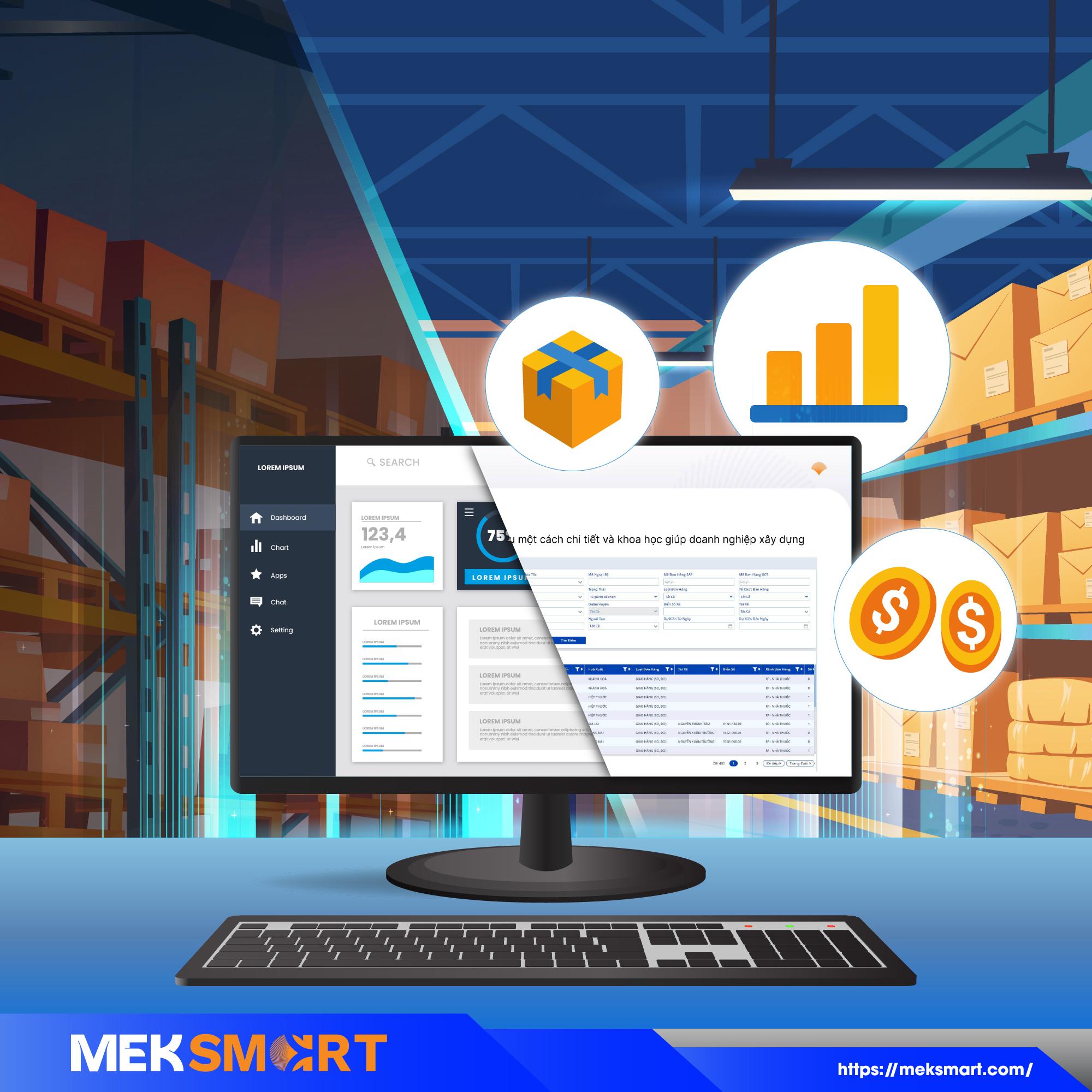
Transformation Pressure on TMS in the Era of Supply Chain Digitalization
3. MEKTMS – An Intelligent Platform Aligned with Supply Chain Digitalization
In response to the growing demand for a future ready, digital first TMS, MEKTMS - a solution within Meksmart’s intelligent ecosystem serves as a key enabler for enterprises to enhance transportation management capabilities:
-
Automated transportation planning in a short time frame
-
Real-time operational monitoring from warehouse to delivery point
-
Detailed cost management and analysis by shipment, vehicle, and customer
-
Seamless integration with WMS and other software systems
Meksmart is always ready to accompany enterprises on their journey toward sustainable growth. Beyond providing software, Meksmart partners with businesses throughout the digital transformation process helping them adapt to the pace of digitalization, optimize operations, and build long term competitive strength.

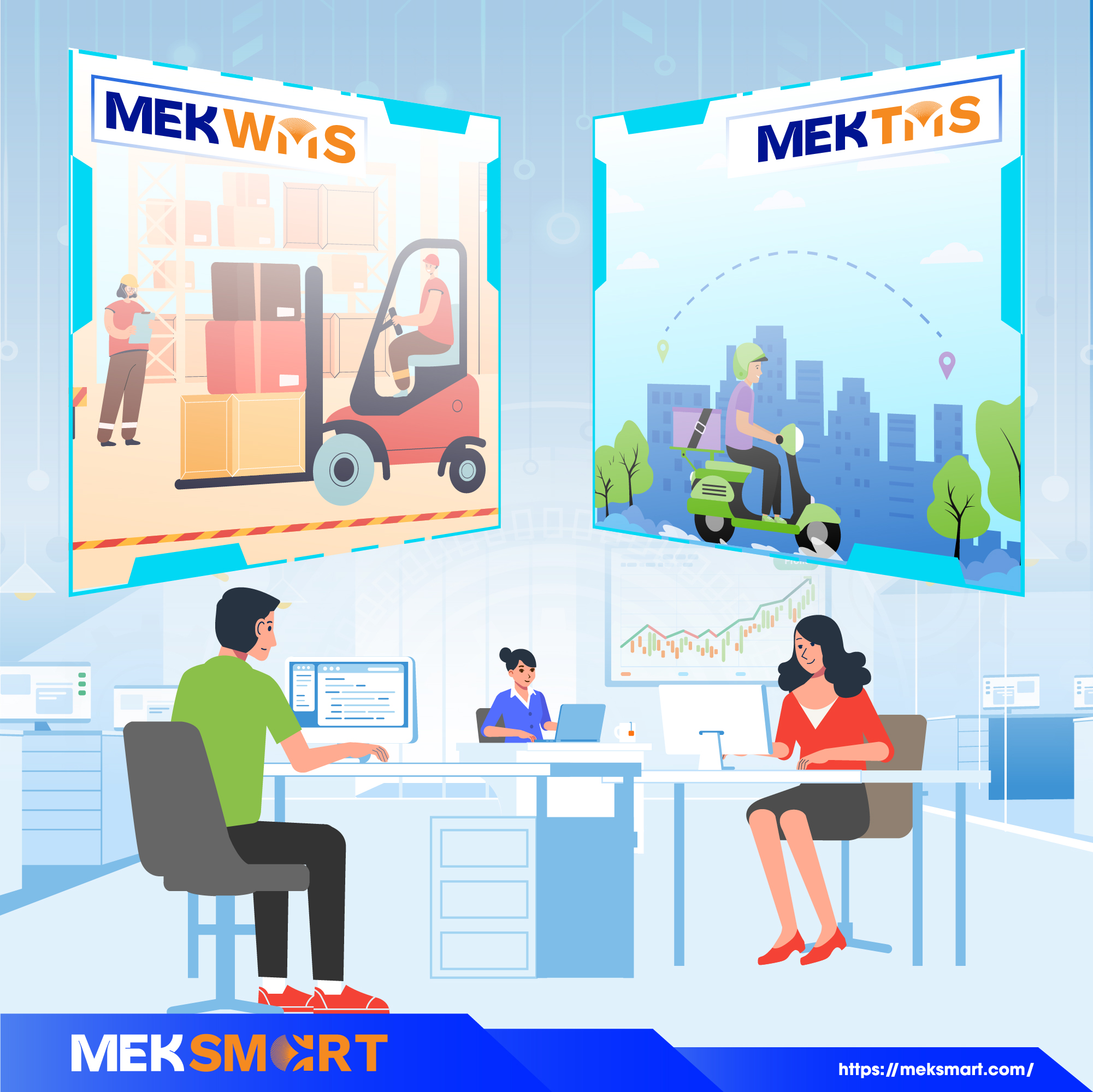
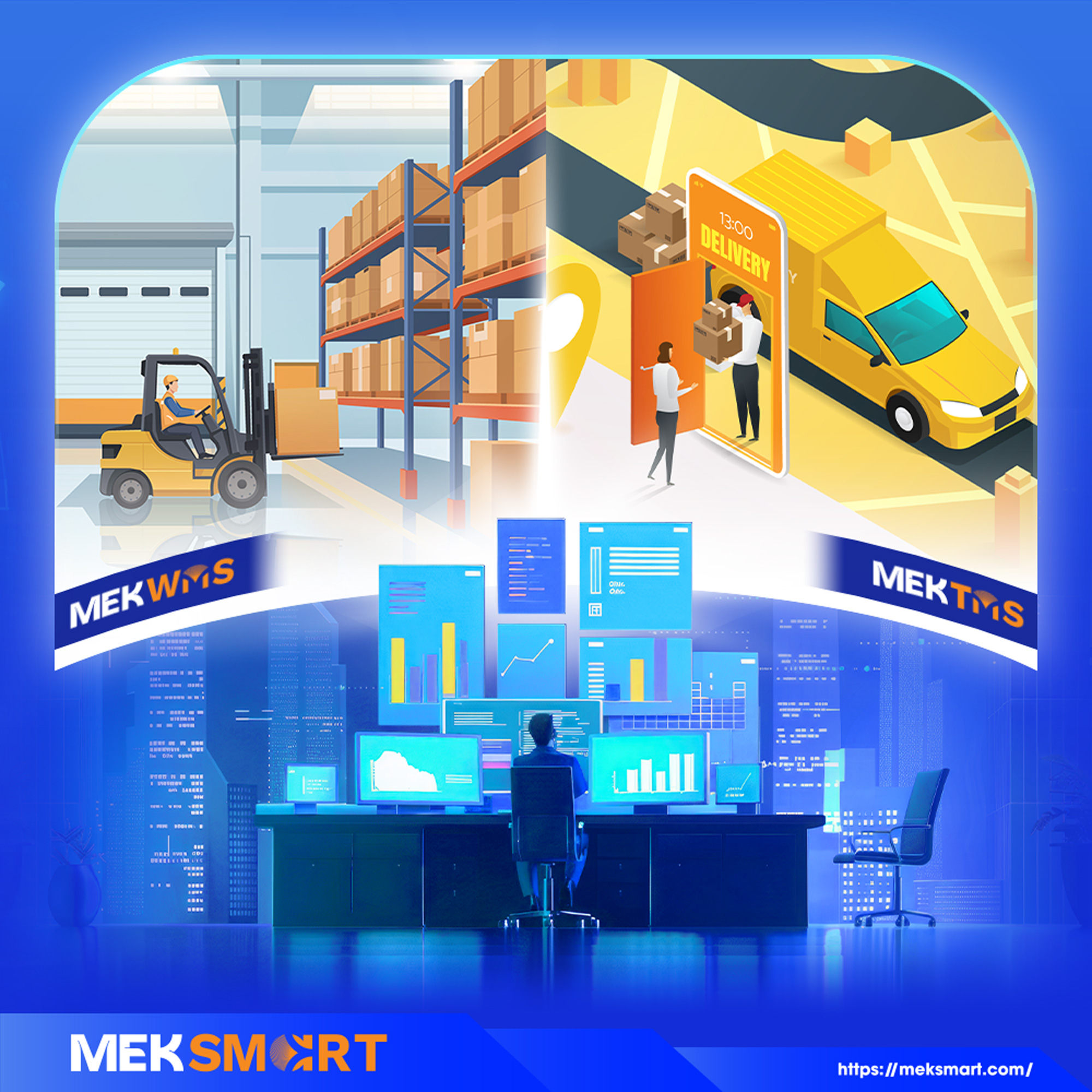
MEKTMS - A Flexible Solution for Supply Chain Digitalization
Conclusion
Supply chain digitalization is forcing TMS to evolve from a management tool into an intelligent operational platform capable of keeping pace with speed requirements and long-term scalability. As part of Meksmart’s technology ecosystem, MEKTMS is a trend-aware TMS solution that helps enterprises embrace digitalization, optimize operations, and enhance sustainable competitive advantage.
Feature News

MEKSMART TECHNOLOGY SOLUTION CO., LTD
Email : info@meksmart.com
Hotline : (+84)822923650
Offiice : SBI Building, Lot 6B, Street 3, Quang Trung Software Park, Trung My Tay Ward, Ho Chi Minh City, Vietnam
Industries