MEKSMART
GENERAL NEWS

Author: Meksmart .
Update: 05/05/2026
Mistakes that lead to business failures in WMS/TMS implementation.
Today, more and more businesses are investing in WMS/TMS with the expectation of better operational control, cost optimization, and error reduction. However, many systems, after implementation, still fail to deliver the expected results, and some even complicate operations.
The problem lies not in how digitalization is applied, but in how businesses approach the problem from the outset. In reality, most failures revolve around three core elements: management, cost, and risk, operating within a tightly integrated chain.
1. At what revenue level should a business implement a WMS/TMS?
If your business is growing rapidly, your goods are becoming increasingly complex, and logistics costs are starting to significantly eat into your profits, that's often a clear sign that it's time to implement a WMS/TMS, and this timing doesn't entirely depend on your current revenue.
In fact, many businesses still start with the question "at what revenue level should I implement a WMS/TMS?", but this isn't the right approach. Revenue only reflects scale, while the challenges a business faces lie in the complexity of its operations and its ability to control risks.
Some businesses haven't reached a large scale yet but have to handle a high volume of orders, multiple warehouses, and multiple distribution channels, while their data isn't synchronized. Conversely, some businesses have high revenue but a simple operating model, so they don't yet need a complex system.
Therefore, instead of looking at revenue figures, businesses need to look at their ability to control their operations. When data starts to become unclear, costs arise but their causes are difficult to pinpoint, or errors occur increasingly frequently, that's the right time to consider implementing a WMS/TMS.
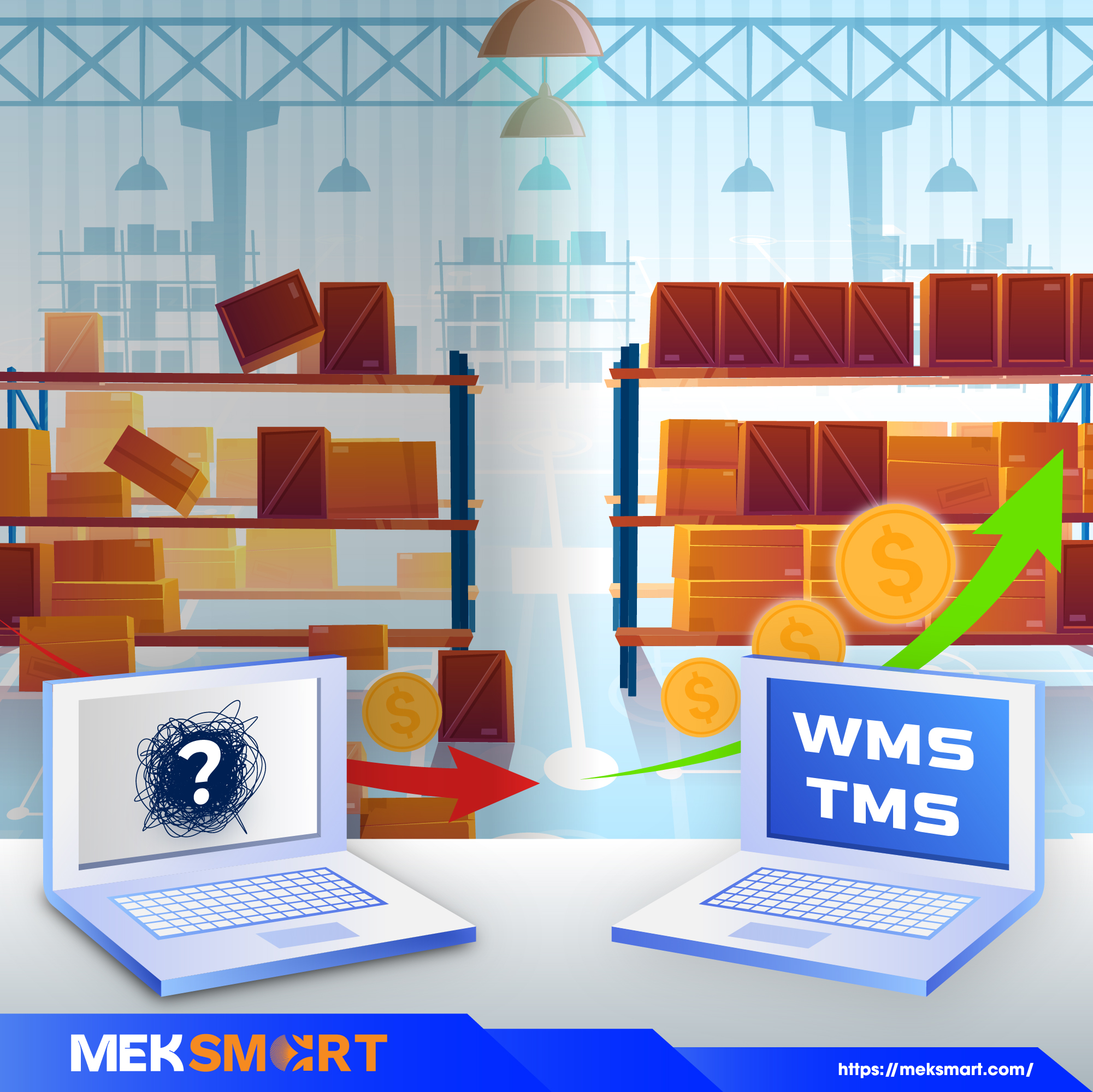
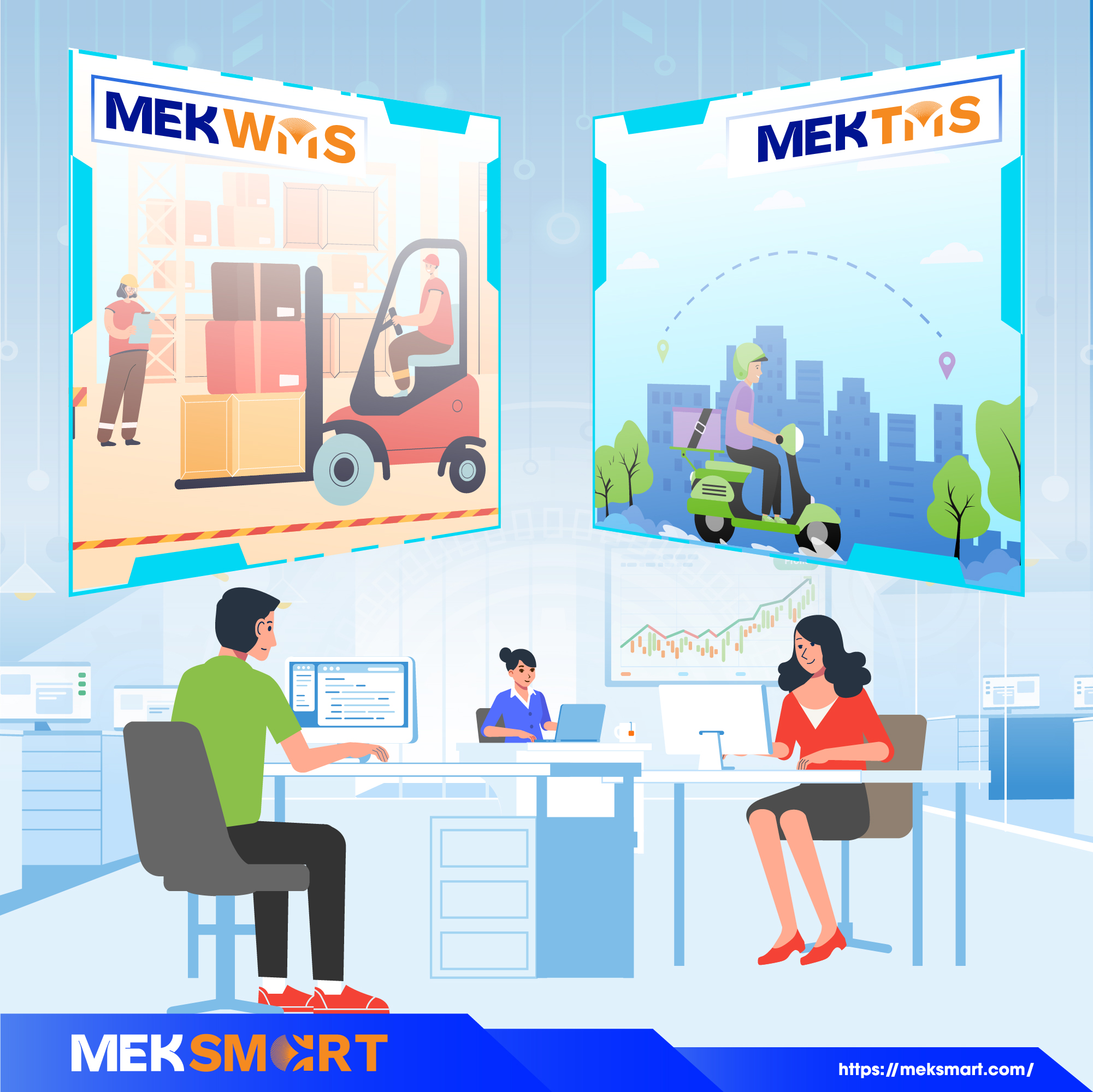
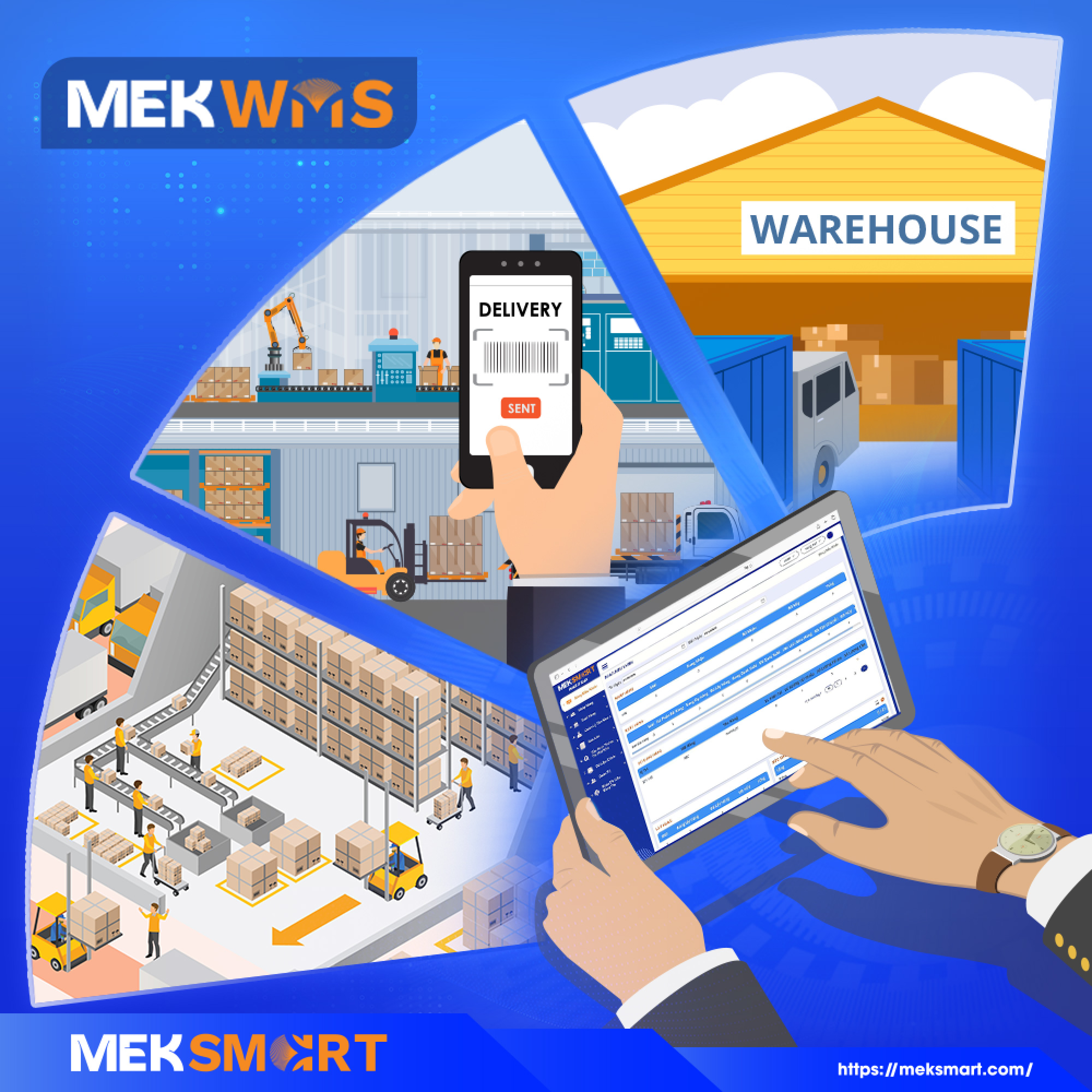
Businesses need WMS/TMS when operations start to get out of control
2. Mistakes that lead to the failure of WMS/TMS implementation
Most mistakes start with management, then spread to costs, and finally accumulate into risks.
First, the problem lies in management. When processes are not standardized, data between departments is inconsistent, and operations still depend on individual experience, the system struggles to accurately reflect reality. Inaccurate inventory, fragmented data, and a lack of connection between departments are common consequences. In that case, WMS/TMS does not improve operations, but only "digitizes" existing shortcomings. From there, operating costs begin to spiral out of control. Management discrepancies quickly translate into expenses, leading to situations like reprocessing orders, inventory losses, increased staffing, and extended operating times. These costs aren't always immediately apparent, but they silently and directly impact business efficiency.
And when costs are uncontrolled, risks accumulate. Prolonged inventory discrepancies, inconsistent service quality, and reliance on individuals cause the system to gradually spiral out of control. By the time the problem becomes apparent, the cost of rectifying it is often far greater than establishing a control system from the outset.
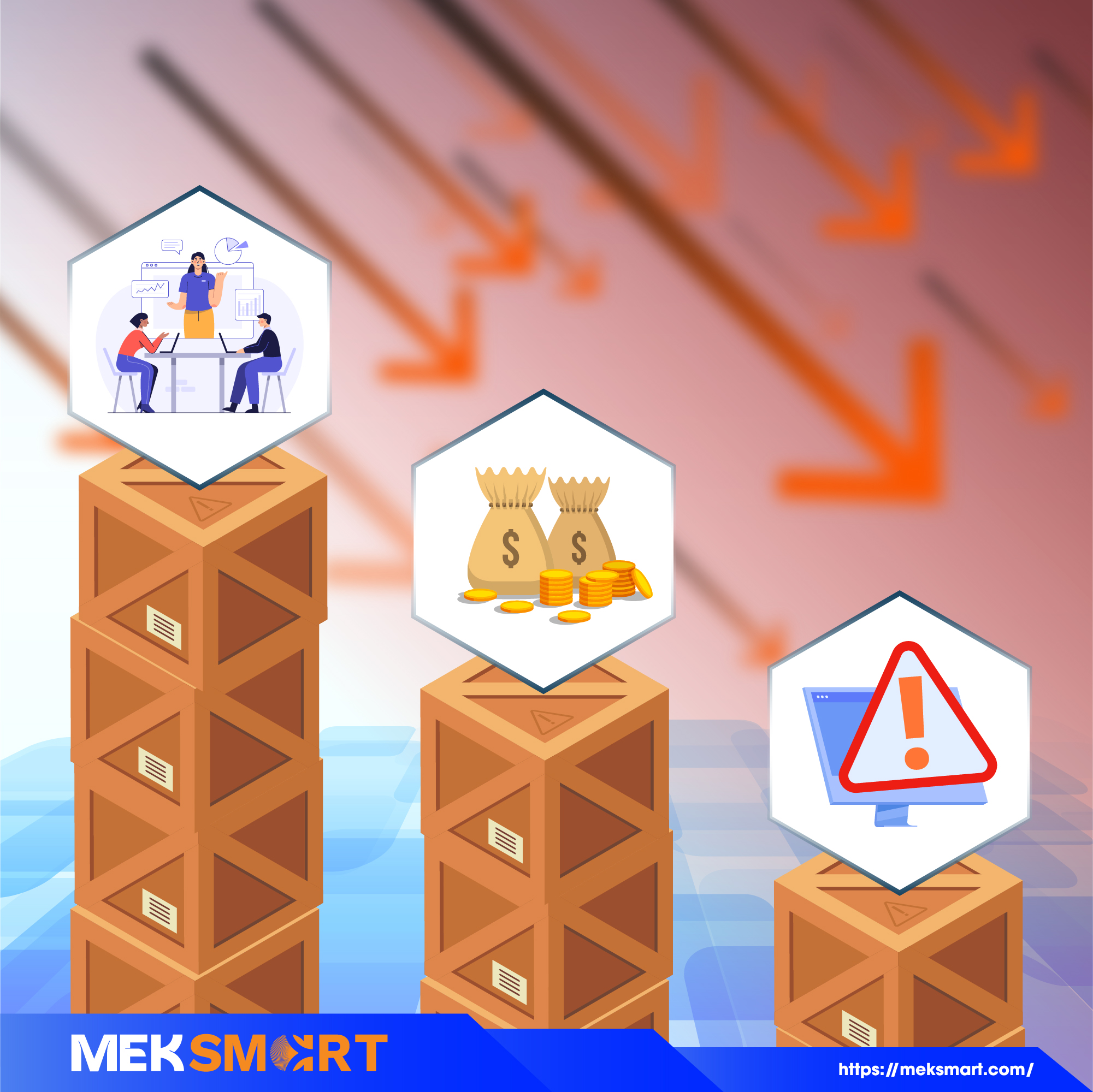
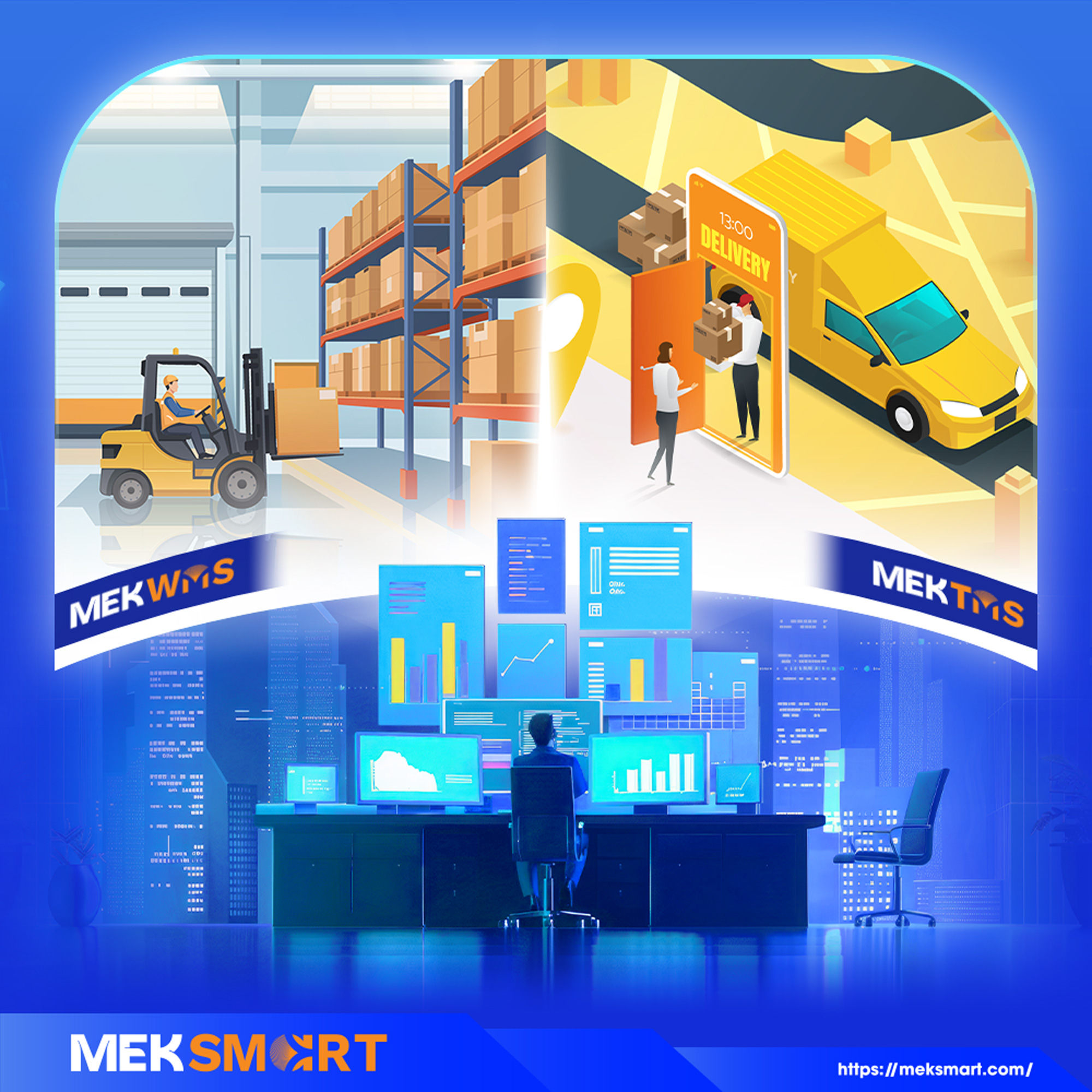
Mistakes that lead to business failures in WMS/TMS implementation
3. Meksmart solves management, cost, and risk problems with MEKWMS & MEKTMS
Instead of approaching WMS/TMS as a mere technology tool, Meksmart builds MEKWMS and MEKTMS solutions based on the real-world problems of businesses: more transparent management, better cost control, and reduced operational risks.
These systems not only help digitize processes but also support data standardization, improve control capabilities, and enable more accurate decision-making. With a flexible approach tailored to each operating model, businesses can limit incurred costs and minimize risks during implementation.
Notably, Meksmart's software implementation and maintenance success rate to date is 100%. At the same time, collaboration with numerous domestic and international businesses across various sectors, such as Elmich, Dragon Logistics, and VT Healthcare, is clear evidence of the credibility and quality that Meksmart solutions provide.
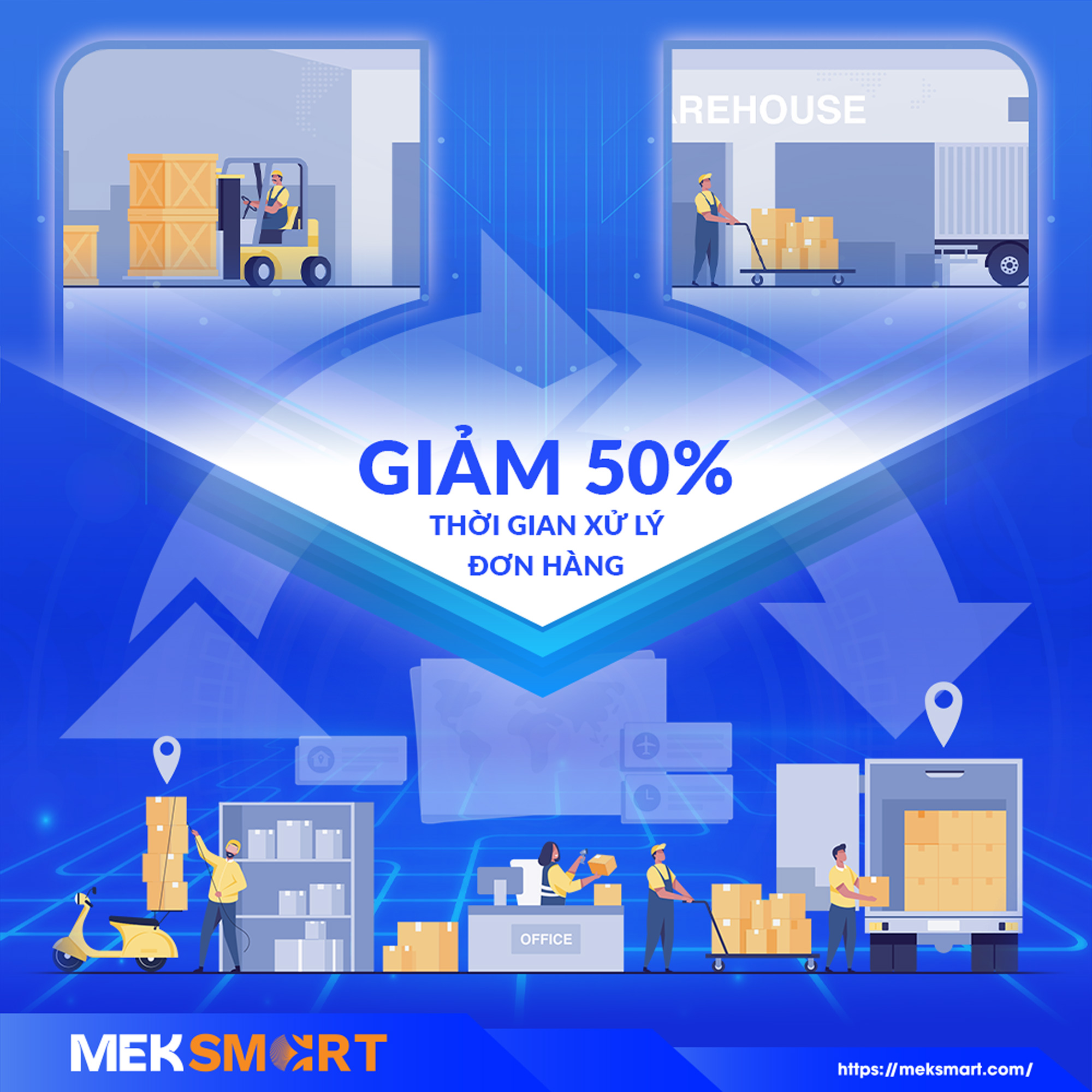
Successful implementation and 100% operational maintenance with MEKWMS and MEKTMS
Implementing WMS/TMS is not a technological problem, but a management, cost, and risk problem. When approached correctly, the system will help businesses better control operations and achieve more sustainable long-term growth. And sometimes, the biggest risk lies not in the implementation itself, but in delaying change once problems have already begun to arise.
Feature News

MEKSMART TECHNOLOGY SOLUTION CO., LTD
Email : info@meksmart.com
Hotline : (+84)822923650
Offiice : SBI Building, Lot 6B, Street 3, Quang Trung Software Park, Trung My Tay Ward, Ho Chi Minh City, Vietnam
Industries