MEKSMART
GENERAL NEWS

Author: Meksmart .
Update: 03/04/2026
IS FUEL PRICE THE BIGGEST PROBLEM FOR LOGISTICS BUSINESSES?
Fluctuating fuel prices are putting significant pressure on logistics businesses, forcing many to increase service prices to offset costs. However, this not only affects competitiveness but also easily degrades customer experience in a context where customers have many alternatives. In reality, the problem doesn't lie entirely in fuel but in how businesses manage their operations. When optimized correctly, logistics operating costs can not only be controlled but also become a competitive advantage during periods of volatility. Let's explore this issue further with Meksmart.
1. Rising Fuel Prices and Cost Pressure on Logistics Businesses
Due to their heavy reliance on transportation, fuel always accounts for a significant proportion of logistics operating costs. When fuel prices rise, the cost per trip fluctuates accordingly, narrowing profit margins.
To maintain operations, many logistics businesses are forced to increase service prices to offset costs. However, in a highly competitive market, price increases are not always accepted by customers. This not only reduces competitiveness but also easily leads to customer dissatisfaction, especially when they have many alternatives in the market.
Cost pressure, therefore, is not just an internal problem, but also directly affects customer experience and the competitive position of the business.
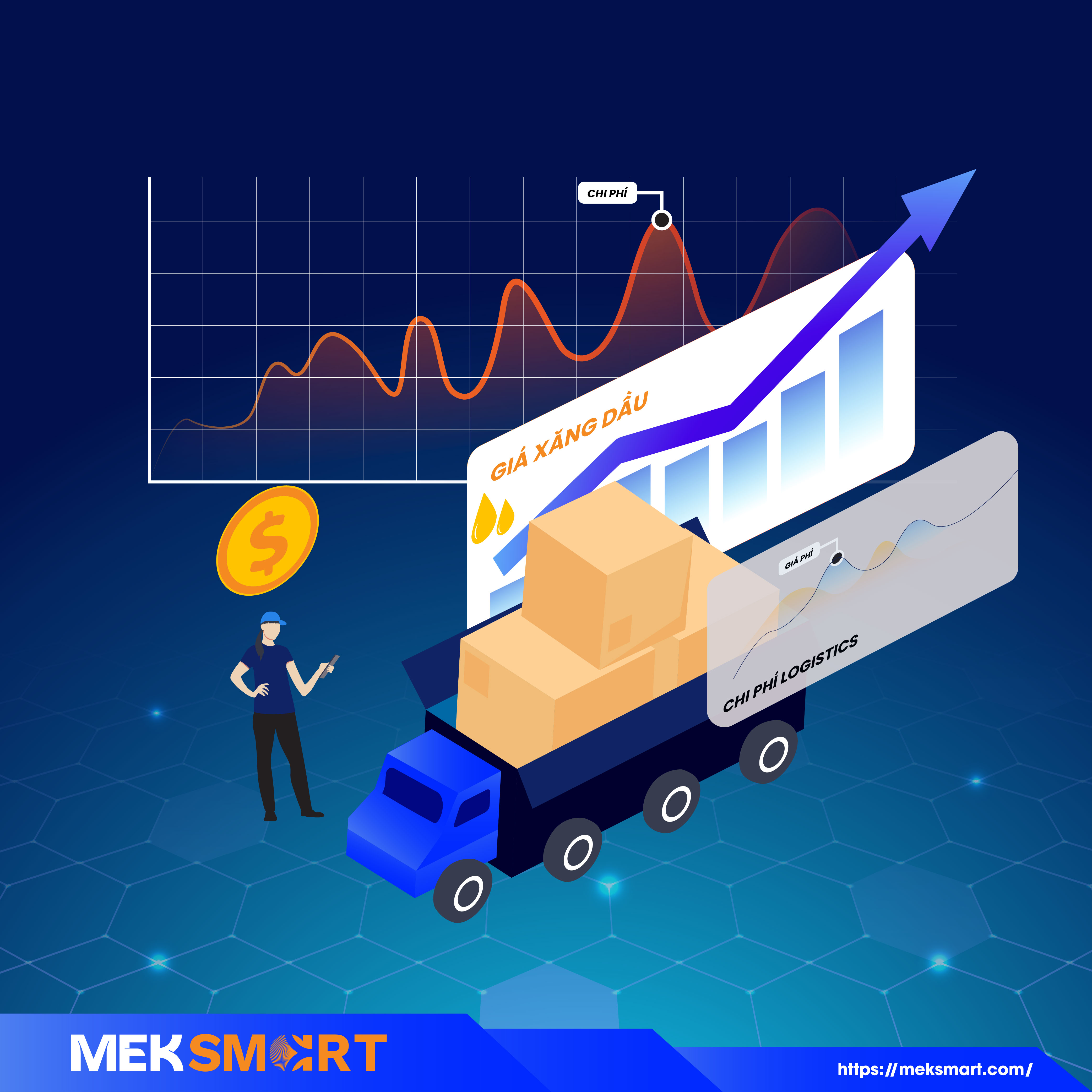
Fluctuations in fuel prices and the logistics cost problem
2. Optimizing logistics operating costs - an opportunity to create a competitive advantage
When fuel costs fluctuate, many logistics businesses often focus on fuel, but overlook an important reality: large costs do not only come from fuel, but also from uncontrolled operational aspects.
While many businesses are forced to increase prices to compensate for costs, those that control operations well have the opportunity to go in the opposite direction: optimizing costs to keep prices stable, thereby creating a clear competitive advantage in the market.
In reality, costs aren't just fuel; they "leak" through operational processes like empty vehicle runs, suboptimal routes, waiting times at warehouses, or inconsistent data. The root cause lies in businesses' inability to control operations:
- Not knowing exactly how much they're losing in operating costs
- Lacking sufficient data for decision-making
- Lacking tools to monitor and control operations
When problems aren't visible, businesses can't optimize. And without optimization, logistics operating costs will continue to "leak" every day.
Conversely, if these factors are well controlled, businesses can maintain stable prices, enhance customer experience, and increase market share in a cost-sensitive competitive environment.
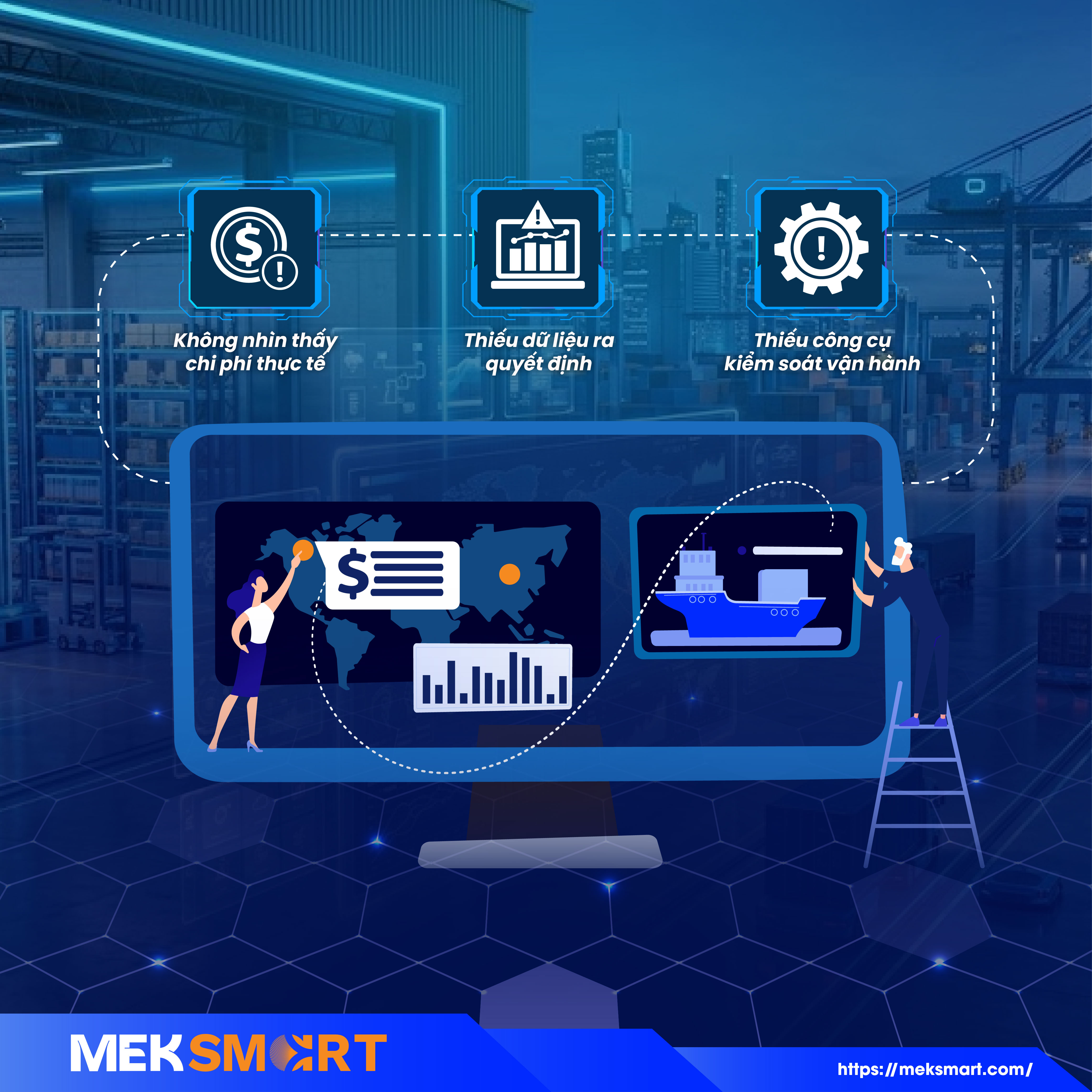
Operational factors affecting logistics costs and control
3. MEKTMS - A solution to help logistics businesses control operating costs
To optimize costs sustainably, logistics businesses need to shift from manual management to data-driven management. Digitalization helps businesses control operations in real time, reduce overhead costs, and improve efficiency.
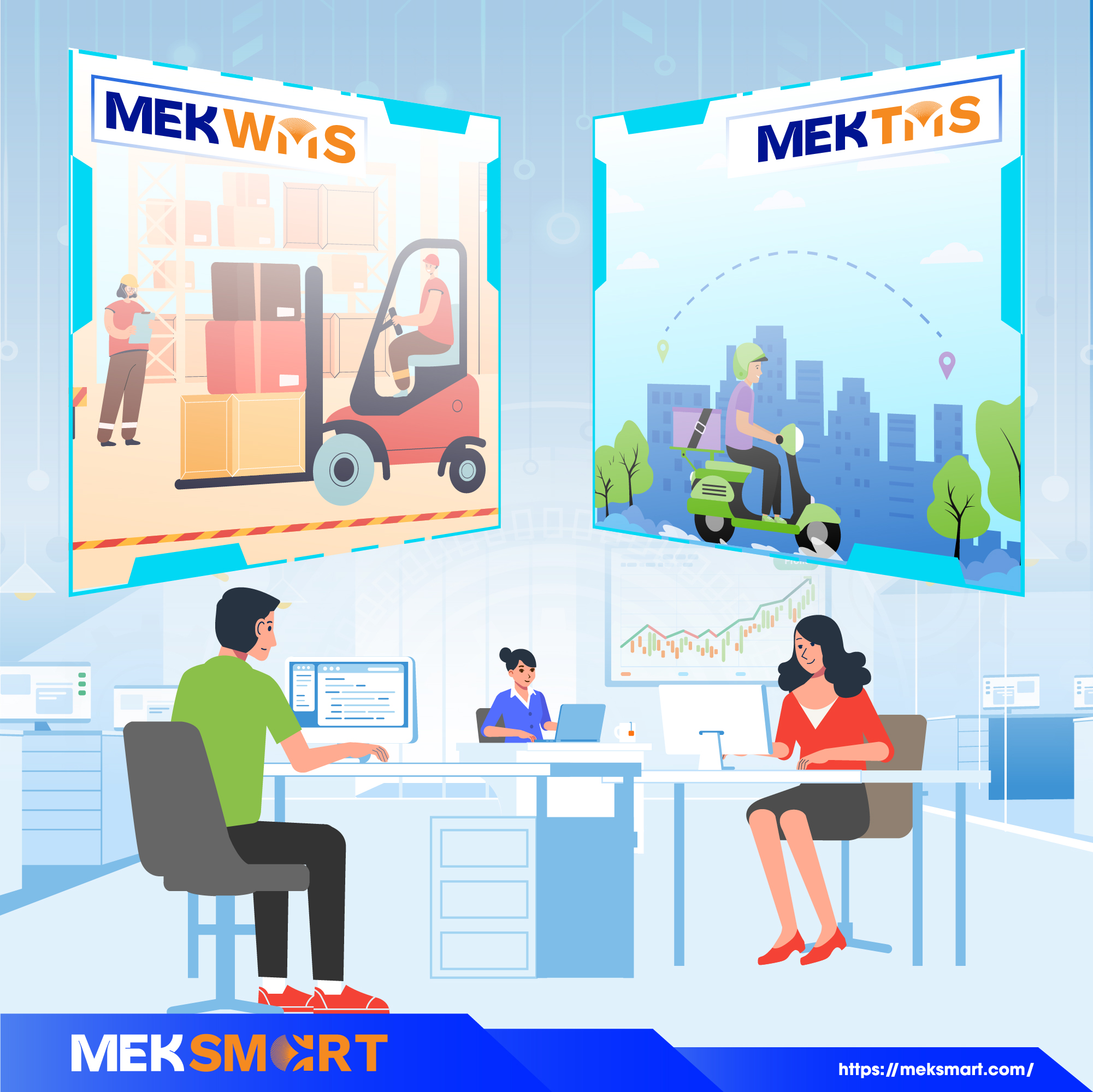
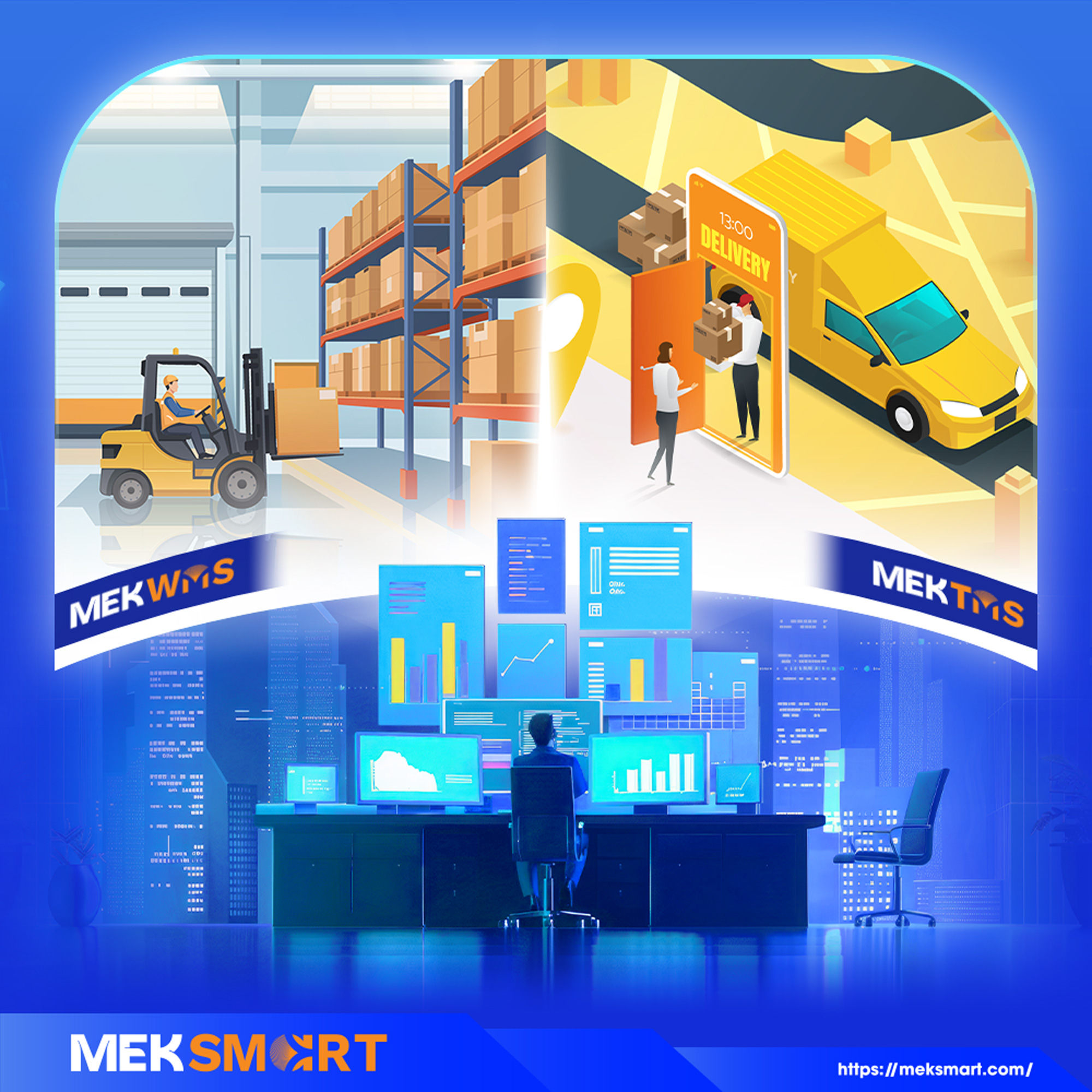
In particular, the MEKTMS transportation management system helps businesses manage comprehensively from planning and coordination to tracking journeys. Thanks to its ability to optimize routes, control vehicles, and ensure cost transparency, unnecessary expenses are significantly reduced.
When data is synchronized, businesses not only see where they are incurring costs but also proactively optimize logistics operating costs sustainably.
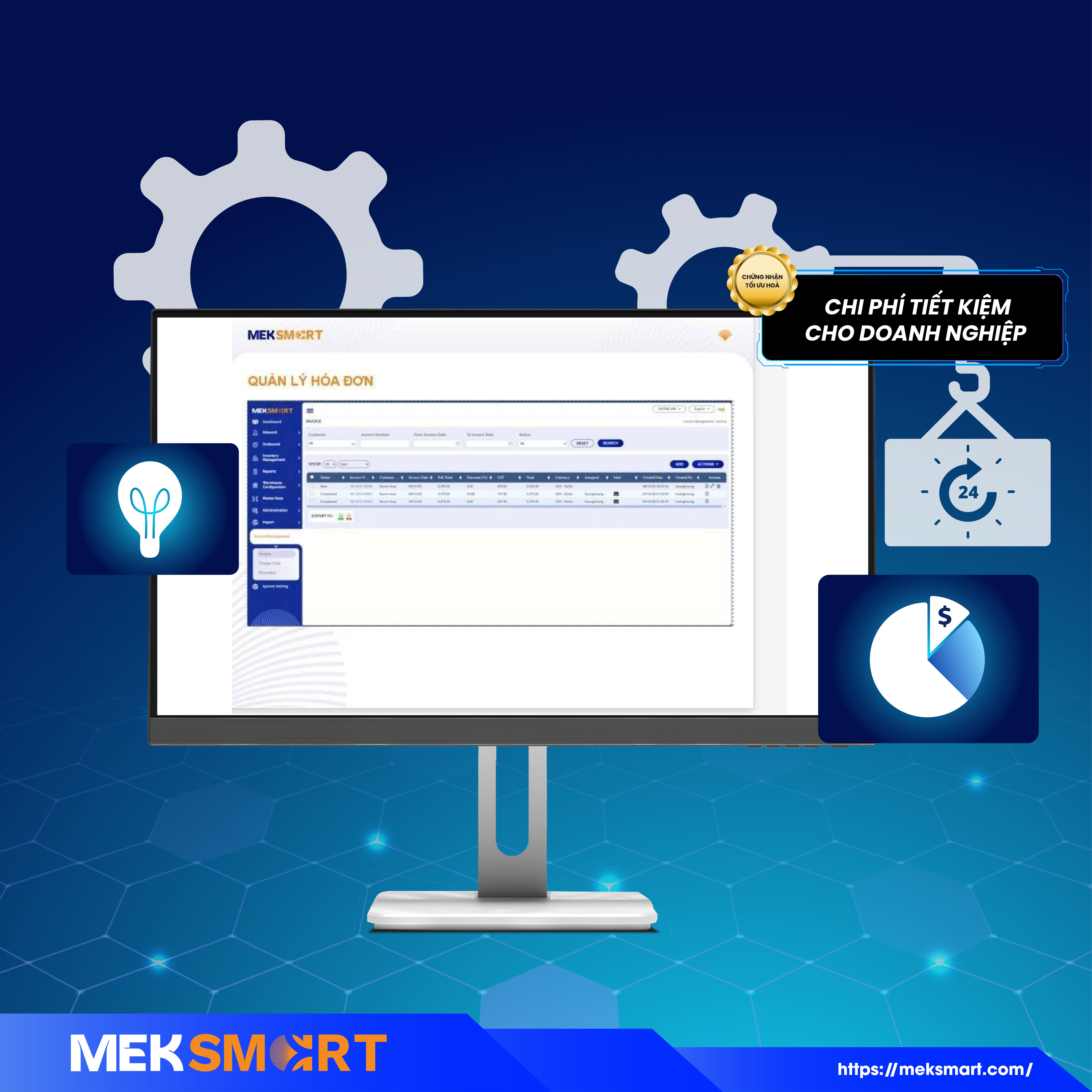
MEKTMS optimizes operating costs for businesses
Market pressures are forcing logistics businesses to change from their operational methods to their cost management mindset. However, for long-term optimization, businesses need to start by controlling data and standardizing their operating systems. Meksmart accompanies businesses on their journey to building an efficient and sustainable operational platform.
Feature News

MEKSMART TECHNOLOGY SOLUTION CO., LTD
Email : info@meksmart.com
Hotline : (+84)822923650
Offiice : SBI Building, Lot 6B, Street 3, Quang Trung Software Park, Trung My Tay Ward, Ho Chi Minh City, Vietnam
Industries