MEKSMART
GENERAL NEWS

Author: Meksmart Solution
Update: 15/04/2026
Excel isn’t “outdated,” but it’s no longer “enough” for growing logistics businesses
Excel isn’t “outdated,” but it’s no longer “enough” for growing logistics businesses
Excel has long been a familiar tool in many logistics companies for managing bookings, tracking waybills, and compiling operational data. In the early stages, when operations were small-scale and processes weren’t overly complex, Excel could effectively meet basic management needs. However, as the logistics market becomes more volatile and operational costs rise—particularly fuel prices—many companies are beginning to realize that spreadsheet-based management is no longer sufficient to ensure operational efficiency. This is also when logistics digitization has become an inevitable trend.
- Why is Excel still widely used in the logistics industry?
For many years, Microsoft Excel has remained a familiar tool for many logistics companies, particularly small and medium-sized enterprises. Excel allows businesses to easily record, compile, and manage operational data without the need to invest in complex technology systems.
Thanks to its flexibility and ease of use, Excel is commonly used for: managing order and customer lists, tracking bookings and waybills, creating shipping rate tables, compiling operational costs, and generating revenue and logistics expense reports.
For newly established businesses or those with a relatively small volume of orders, Excel can effectively meet basic data management needs.
Currently, logistics costs are constantly fluctuating, especially as fuel prices rise, yet many businesses still choose to continue using Excel to track operational costs. However, as data volumes increase and operations become increasingly complex, relying solely on Excel begins to reveal significant limitations:
- Difficulty managing large datasets: As the number of orders and operational data grows rapidly, Excel files can become cumbersome and time-consuming to consolidate and process.
- Data fragmentation and discrepancies: Multiple departments using different Excel files leads to fragmented data, making version control difficult and increasing the risk of information discrepancies.
- Difficulty updating in real time: Logistics operations change constantly, but since Excel primarily handles static data, it’s hard to track order or shipment status in a timely manner.
- Limitations in data analysis: When dealing with large and fluctuating datasets, analyzing costs or operational efficiency using Excel becomes complex and labor-intensive.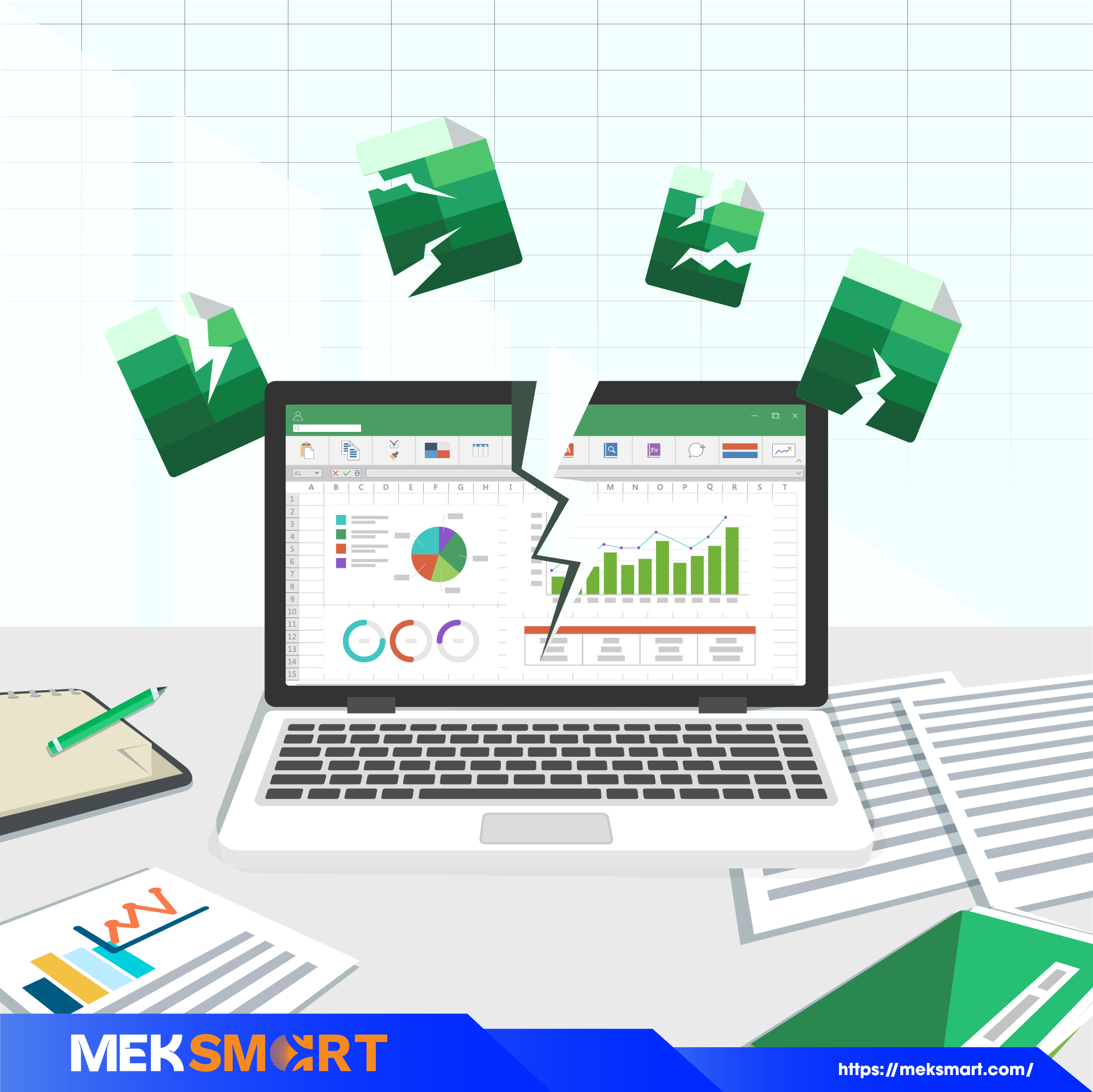
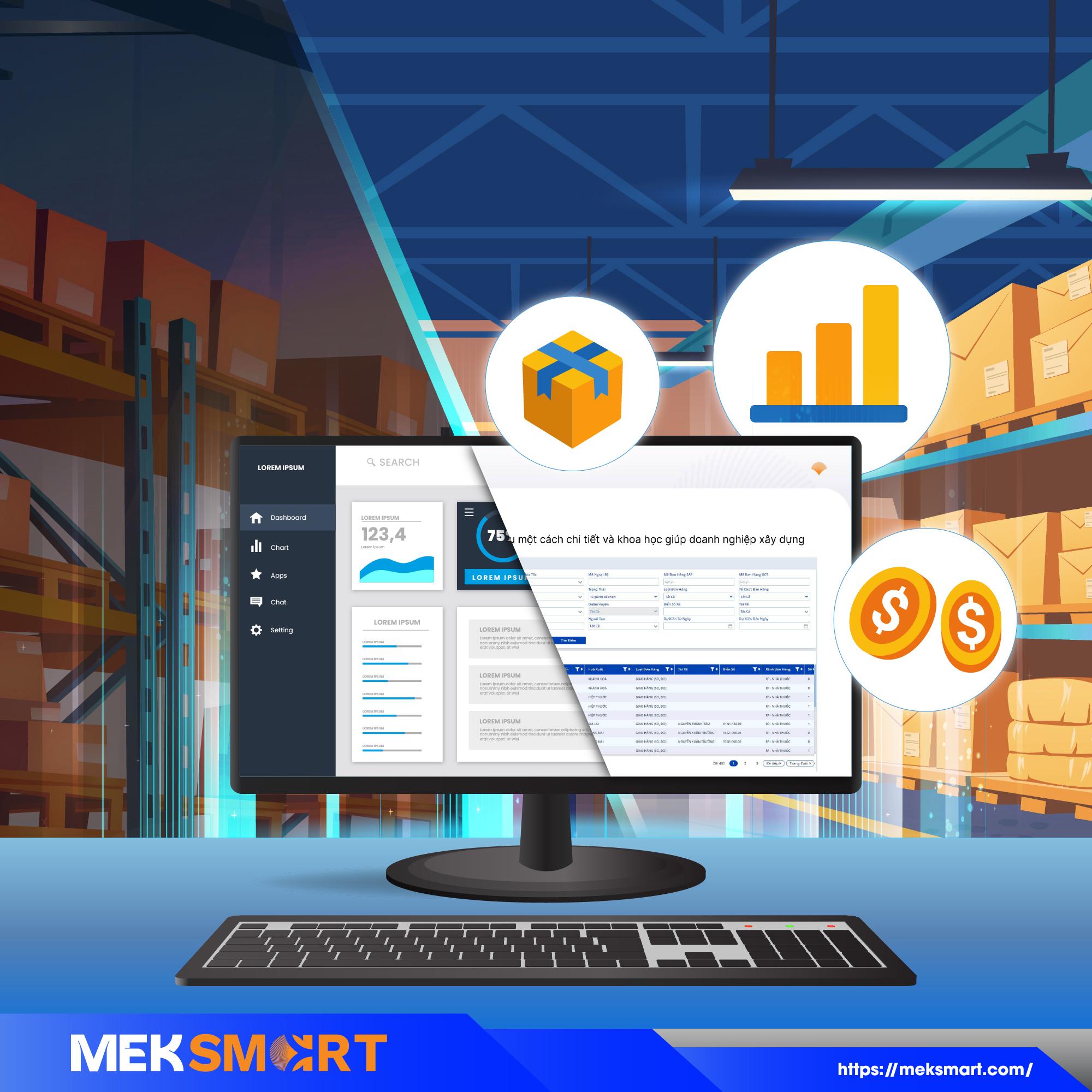
[Figure 1] - Excel reveals its limitations in the logistics industry
- Logistics Digitalization—A Critical Transformation for Businesses
The growth of e-commerce and modern supply chains has forced logistics companies to handle ever-increasing volumes of operational data. This requires businesses to adopt more efficient management tools rather than relying solely on spreadsheets like Microsoft Excel.
In reality, amid constantly fluctuating logistics costs—particularly as fuel prices rise—many businesses have managed to maintain operational efficiency by adopting technology-driven management systems early on. Among these, Transportation Management Systems (TMS) help businesses optimize shipping routes, manage fuel costs, and monitor fleet operations in real time.
Digitizing logistics enables businesses to: manage operational data on a centralized system, track order status in real time, optimize transportation and operational costs, and analyze data to make quick decisions
Modern logistics management systems also automate many processes, such as warehouse management, transportation coordination, and operational reporting. As a result, businesses can improve efficiency, reduce errors, and better adapt to market fluctuations.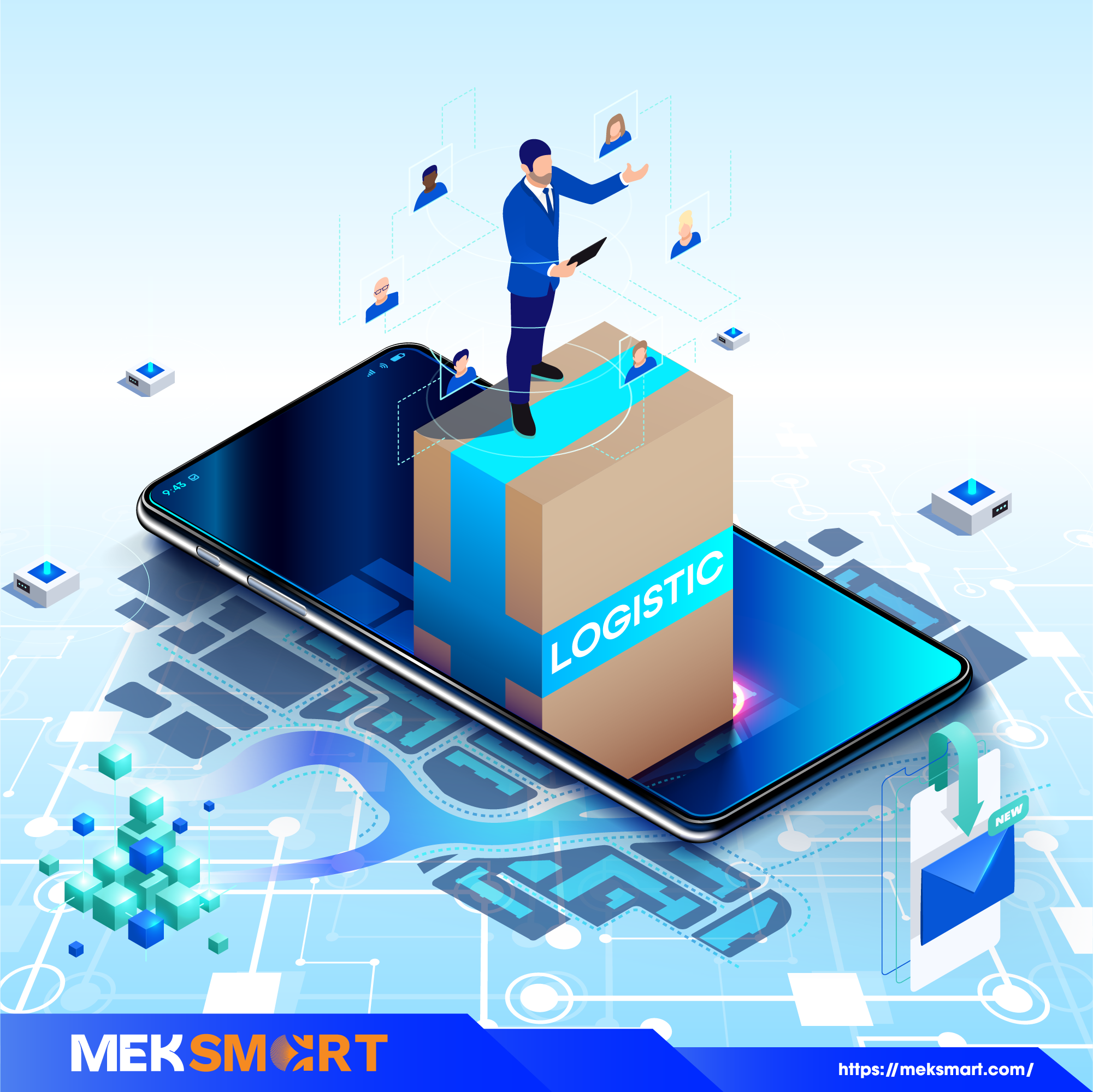
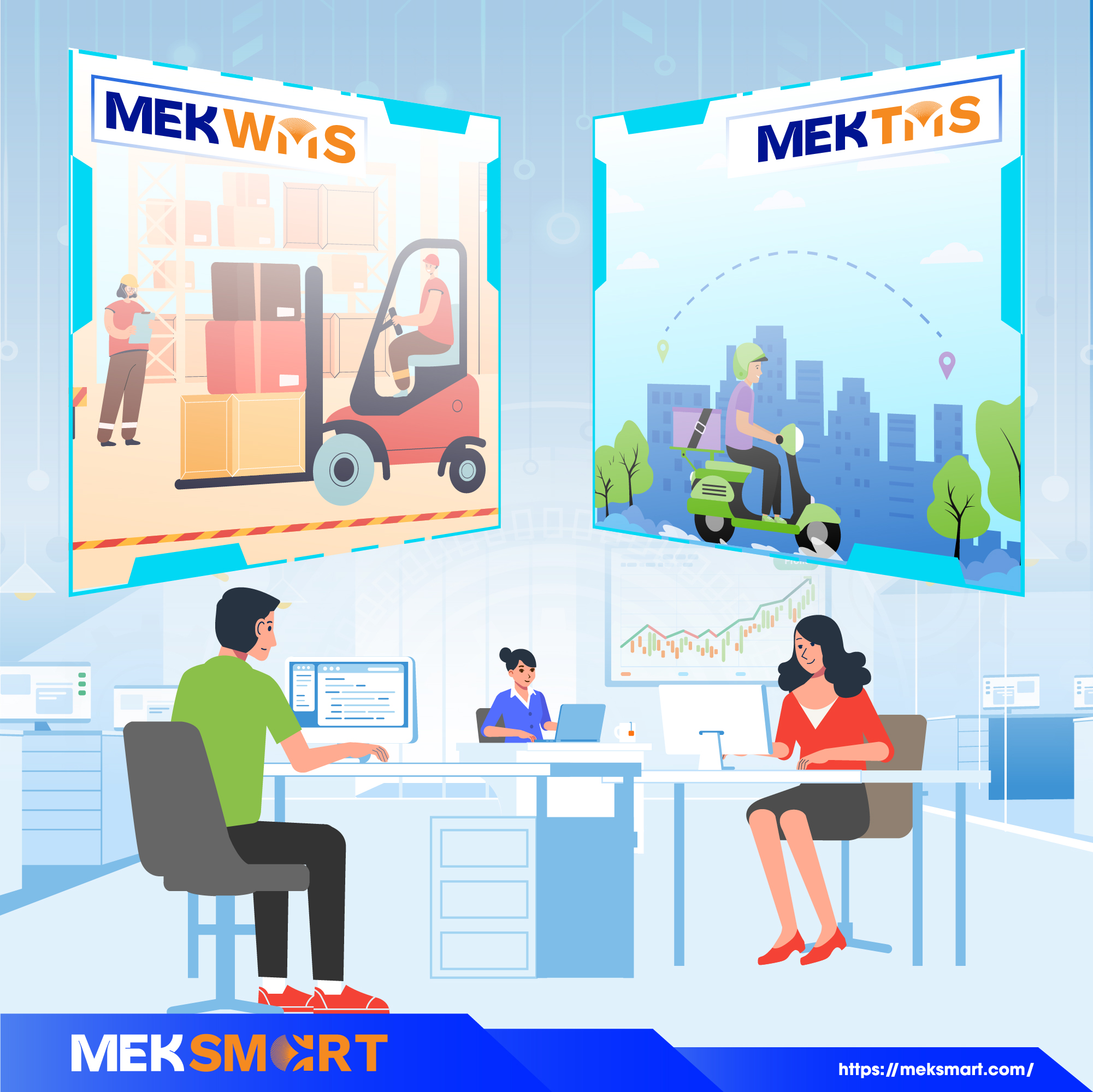
[Figure 2] - Logistics digitization: a transformative step for businesses
- Meksmart - a platform helping businesses accelerate logistics digitization
Meksmart is proud to partner with numerous domestic and international businesses, specializing in providing technology solutions that help companies progressively advance logistics digitization and enhance operational management efficiency.
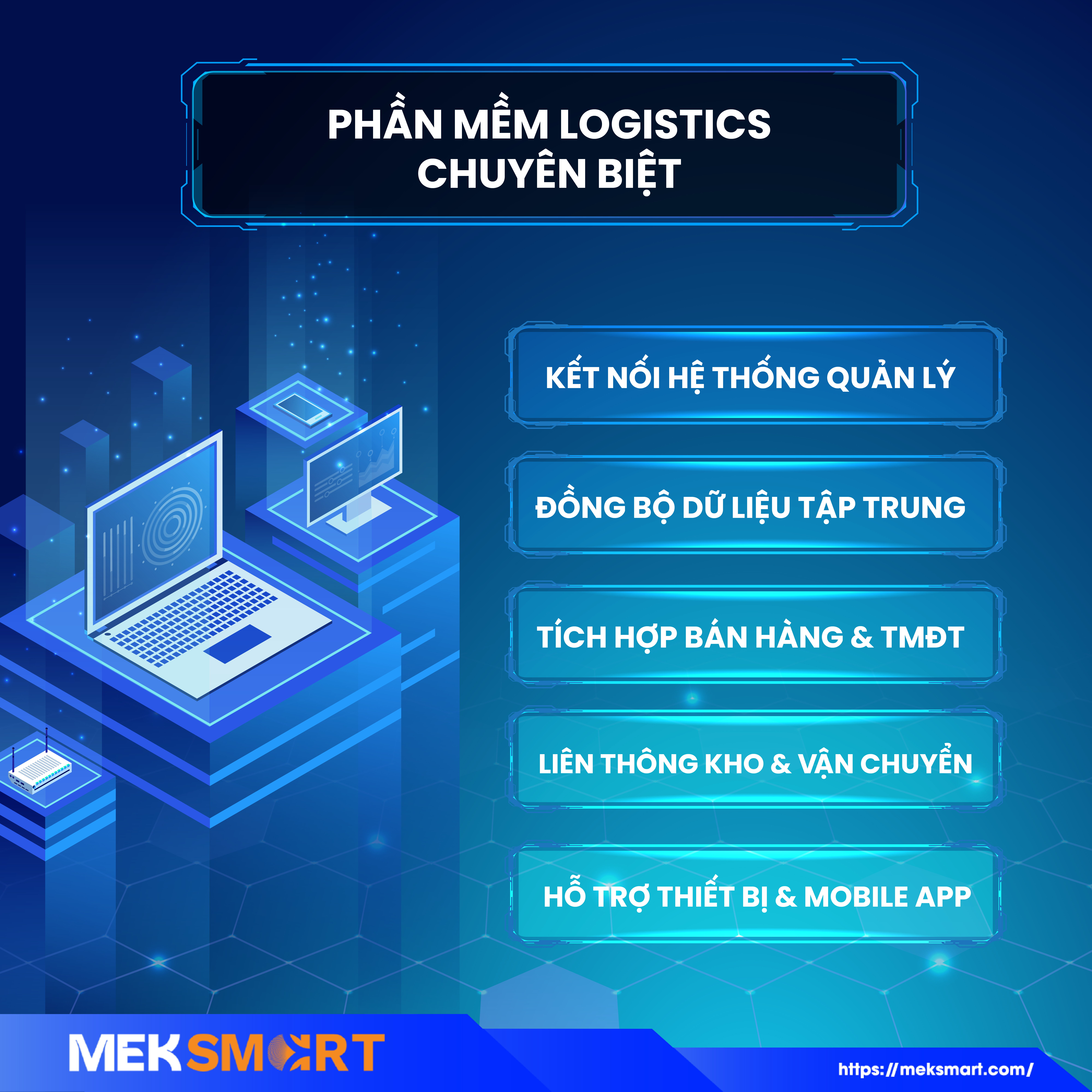
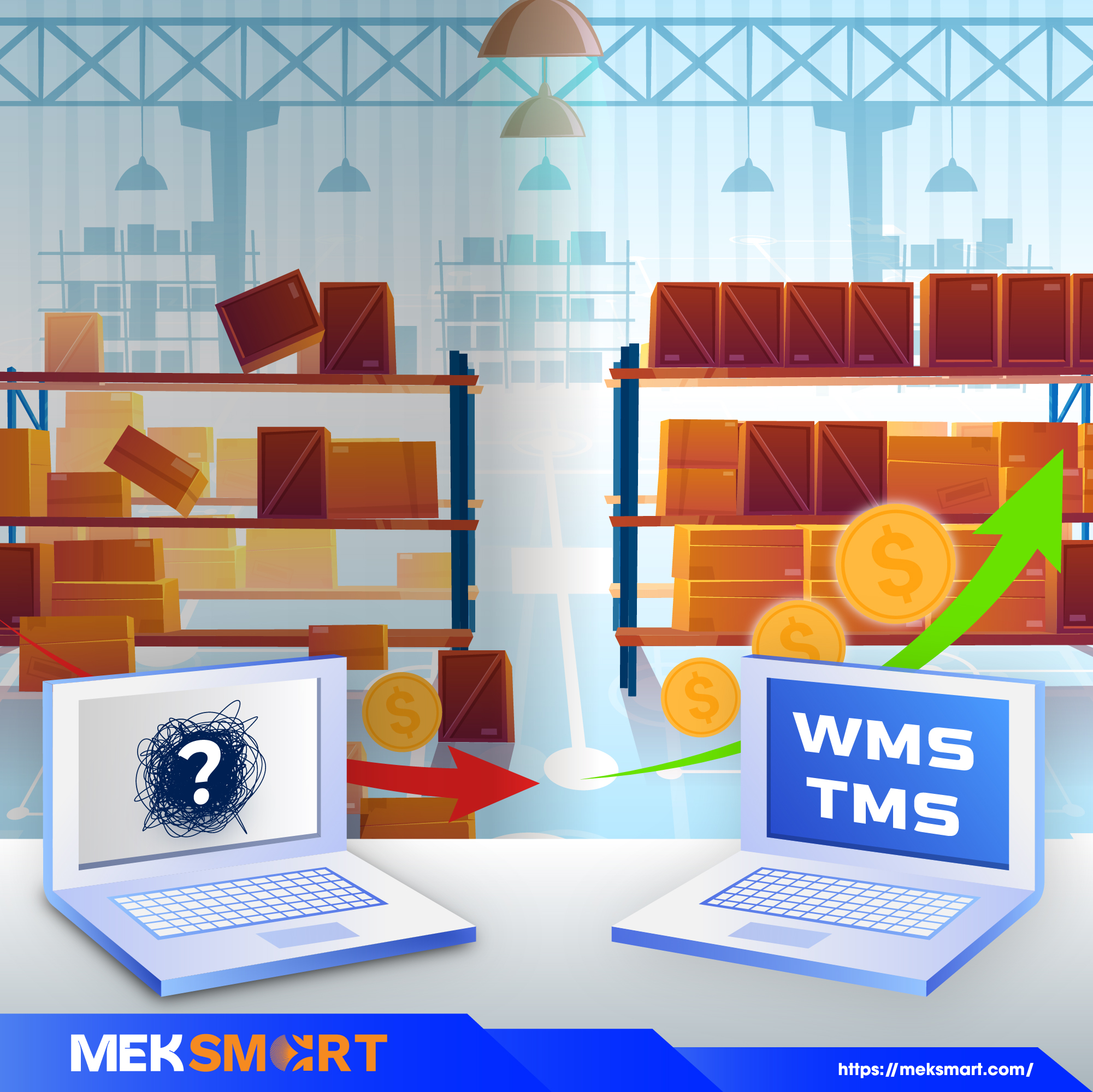
MEKWMS - Warehouse Management System: A solution that helps businesses control warehouse operations through inventory management (inbound, outbound, and stock levels), track inventory by location, and provide real-time operational reports. It integrates with ERP systems to synchronize operational and financial data, thereby supporting businesses in analyzing data and making faster, more accurate decisions.
MEKTMS - Transportation Management System: Plans shipments, tracks vehicle and order status, and manages transportation and fuel costs more efficiently.
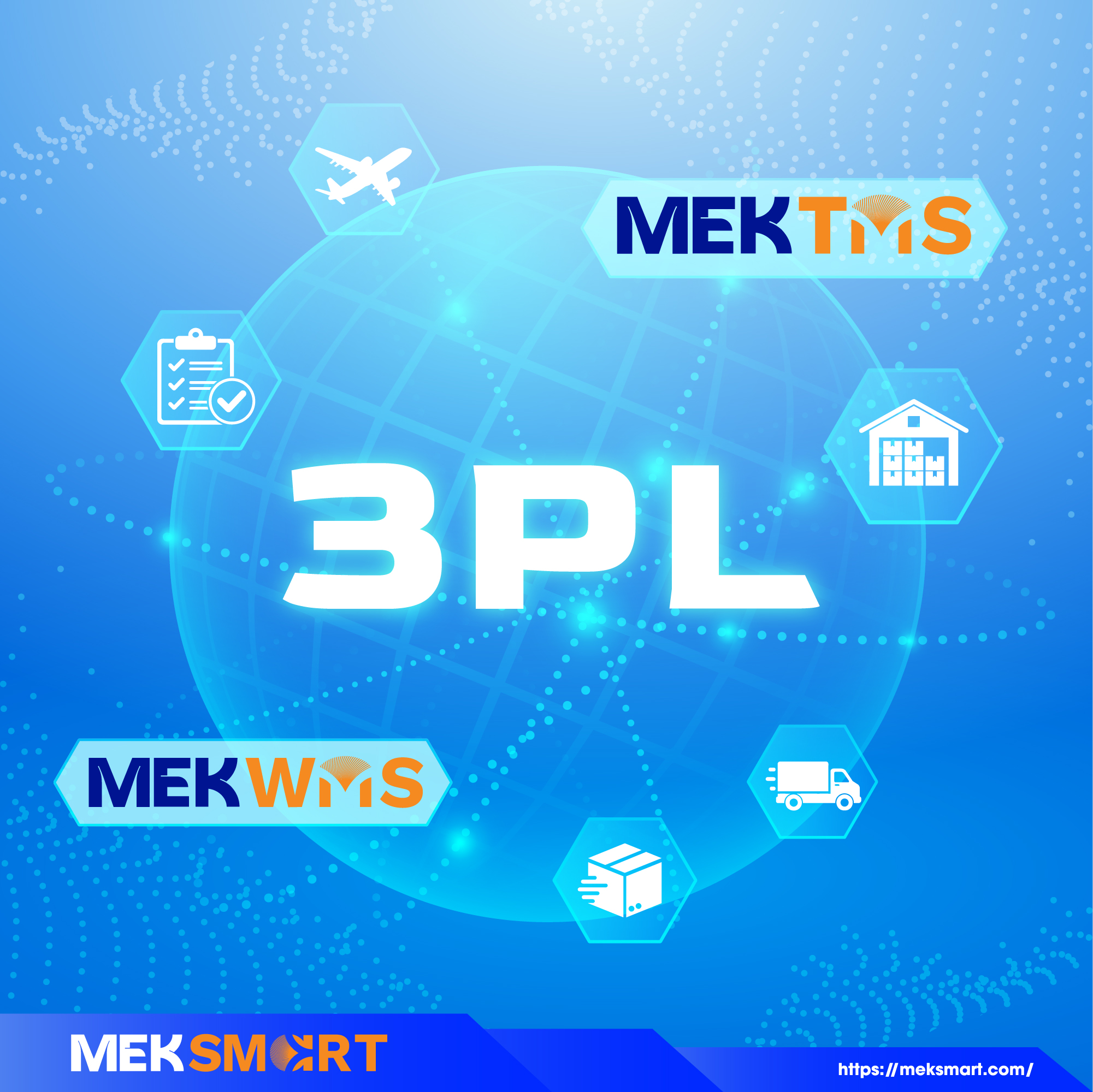
[Figure 3] - Meksmart platform solutions driving logistics digitization
Excel remains a familiar and useful tool in many management activities. However, as logistics operations expand and data becomes increasingly complex, relying solely on spreadsheets will struggle to meet modern management needs.
Contact Meksmart today to implement technology solutions and drive logistics digitization—not only optimizing operations but also laying the foundation for sustainable growth in the highly competitive logistics market.
Feature News




MEKSMART TECHNOLOGY SOLUTION CO., LTD
Email : info@meksmart.com
Hotline : (+84)822923650
Offiice : SBI Building, Lot 6B, Street 3, Quang Trung Software Park, Trung My Tay Ward, Ho Chi Minh City, Vietnam
Industries
Solutions
SUBSCRIBE US
PRIVACY POLICY