MEKSMART
GENERAL NEWS

Author: Meker Meksmart
Update: 05/05/2026
The challenge of managing rental inventory and the resulting requirements – can software solve all of these problems?
The challenge of managing rental inventory and the resulting requirements – can software solve all of these problems?
In the context of rapidly developing logistics and e-commerce, the warehouse leasing model is increasingly being chosen by many businesses. However, as scale expands and the number of customers increases, warehouse operations become more complex than ever. So what are the real challenges of this model, and can software solve them all?
1. What are the challenges of warehouse leasing?
One of the biggest challenges of the warehouse leasing model is managing multiple customers. Each customer usually has its own process, from how goods are received and dispatched to storage principles such as FIFO or FEFO. This difference makes operations complex and prone to errors if there is no appropriate control system.
In addition, the issue of cost calculation is not simple. Businesses have to handle many different types of costs such as storage fees based on area or time, import and export fees, and other incidental services. Without supporting tools, manual calculations are not only prone to errors but also lack transparency in the reconciliation process with customers.
At the same time, value-added services such as packaging, labeling, or sorting goods frequently arise. If not fully recorded, businesses may lose revenue without being able to trace the cause, and lose the ability to control profit margins for each customer.
Furthermore, manual counting and fragmented management make inventory data prone to errors, leading to chain reactions of errors in order processing, reconciliation, and even customer experience.
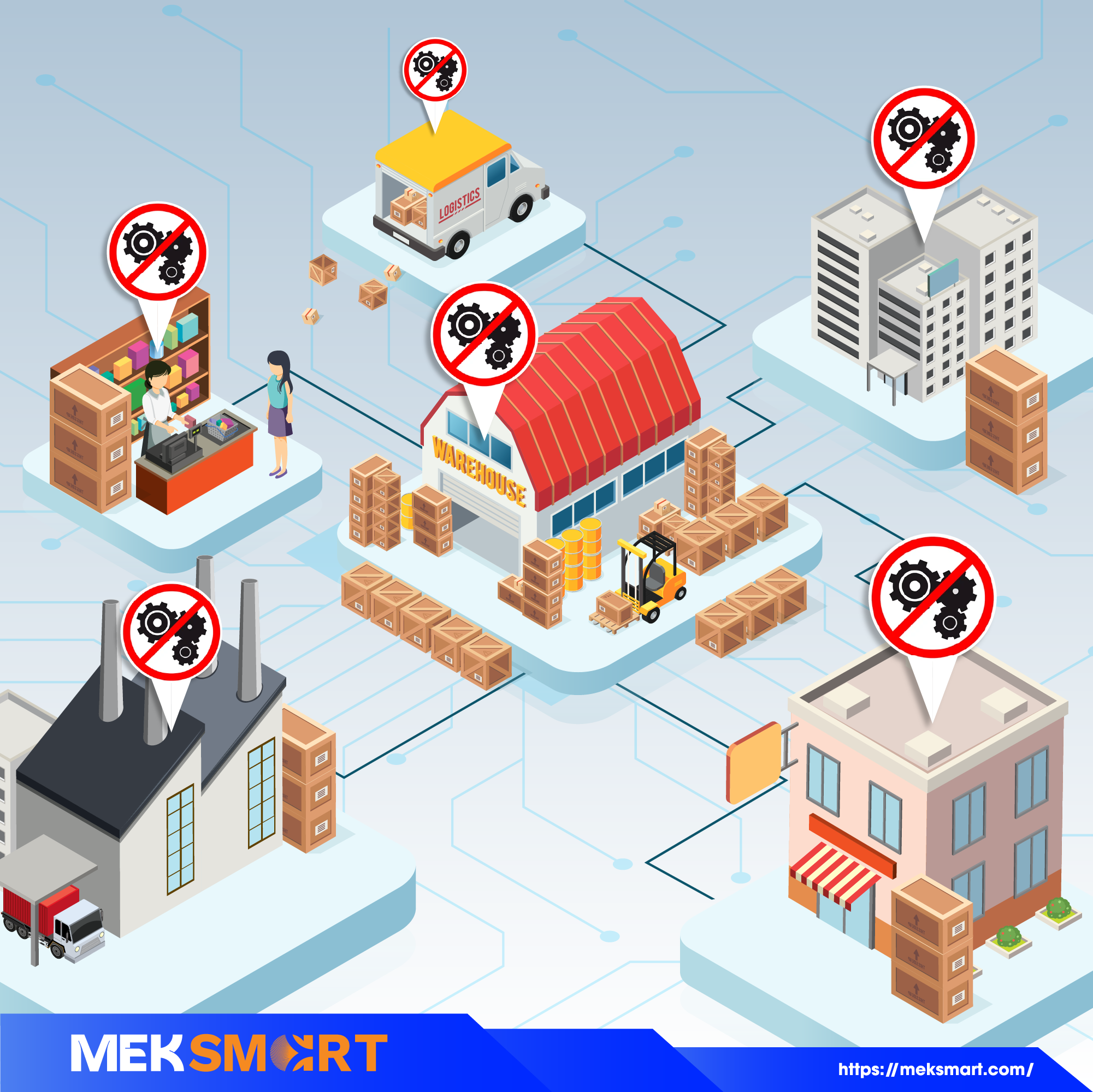
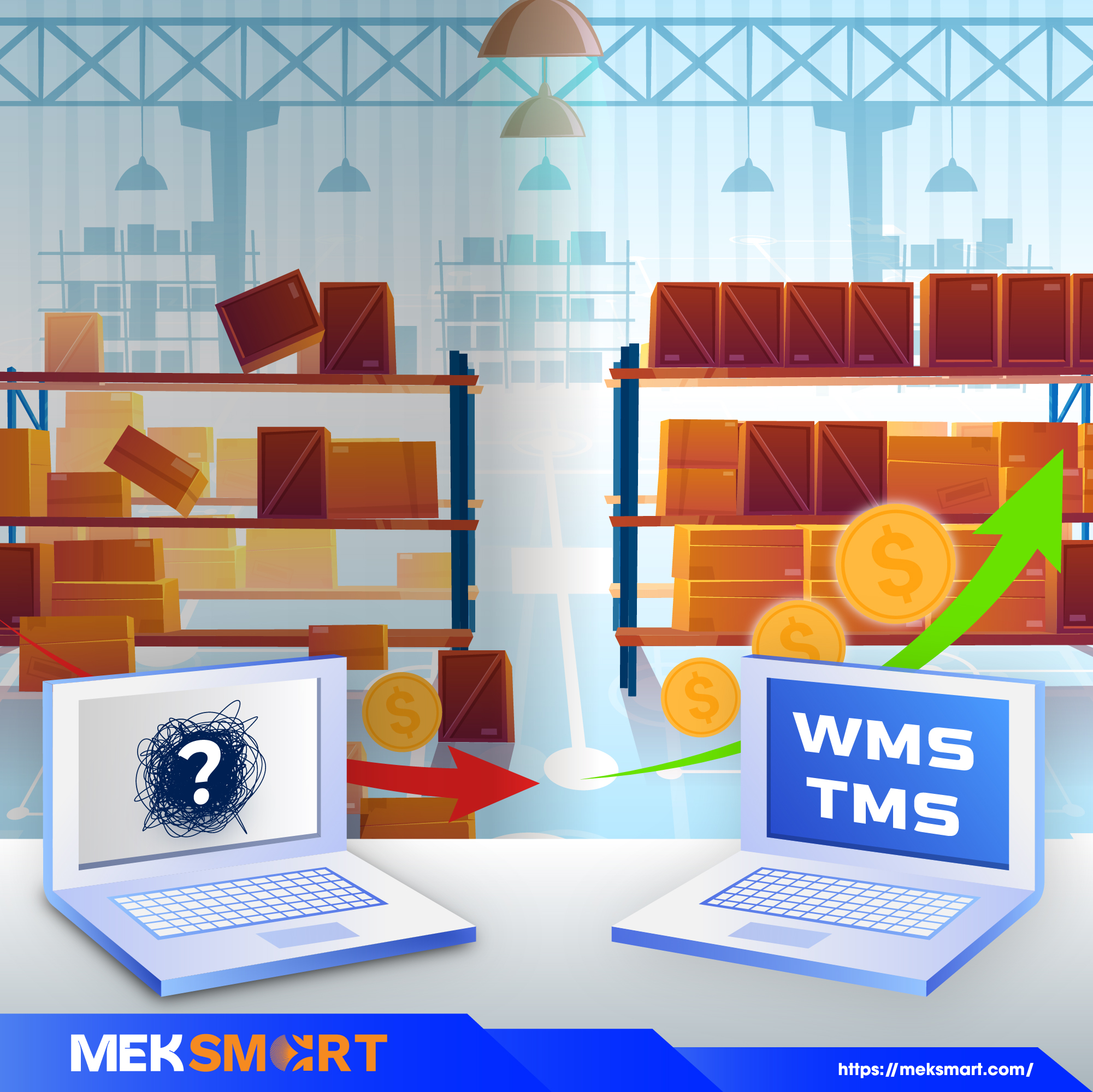
Multi-customer leased warehouse - Complex operation, prone to errors
Another problem is reporting and reconciliation. Each customer has unique data requirements, forcing the operations team to process manually, which is both resource-intensive and difficult to ensure accuracy.
On a small scale, these problems may not be obvious. But as the number of customers increases, this becomes a multi-layered operational problem with increasing complexity.
2. Can software solve everything?
In reality, many core problems in warehouse operations such as real-time inventory management, tracking product location, or lot control can be effectively handled when businesses apply technological software. One of these is the WMS (Warehouse Management System). Thanks to WMS, errors are minimized and order processing speed is significantly improved.
When the system is flexible enough, businesses can configure separate processes for each customer, automate warehousing and service charges, and build reporting systems according to needs. In addition, WMS serves as a platform to standardize processes and increase control as operations scale up.
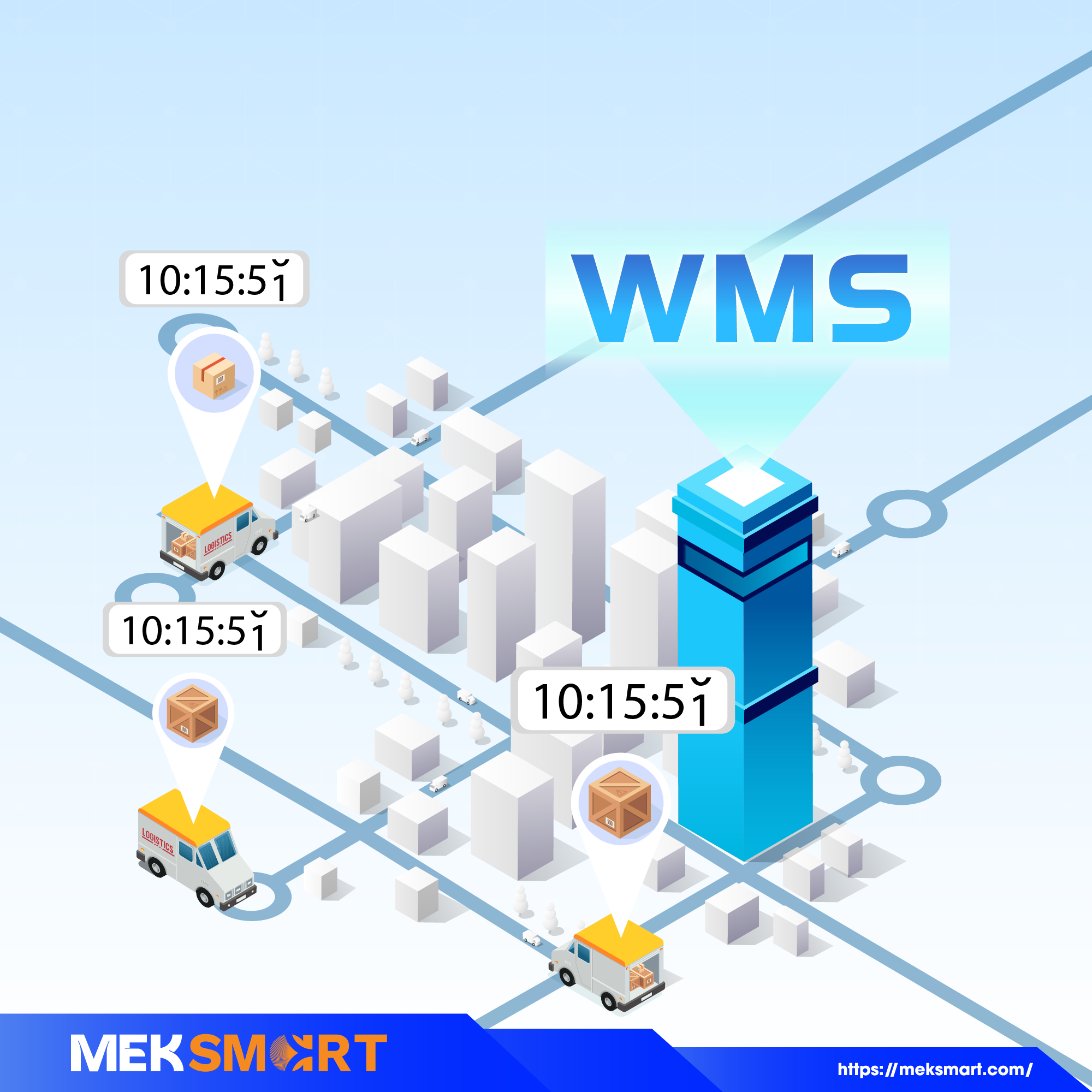
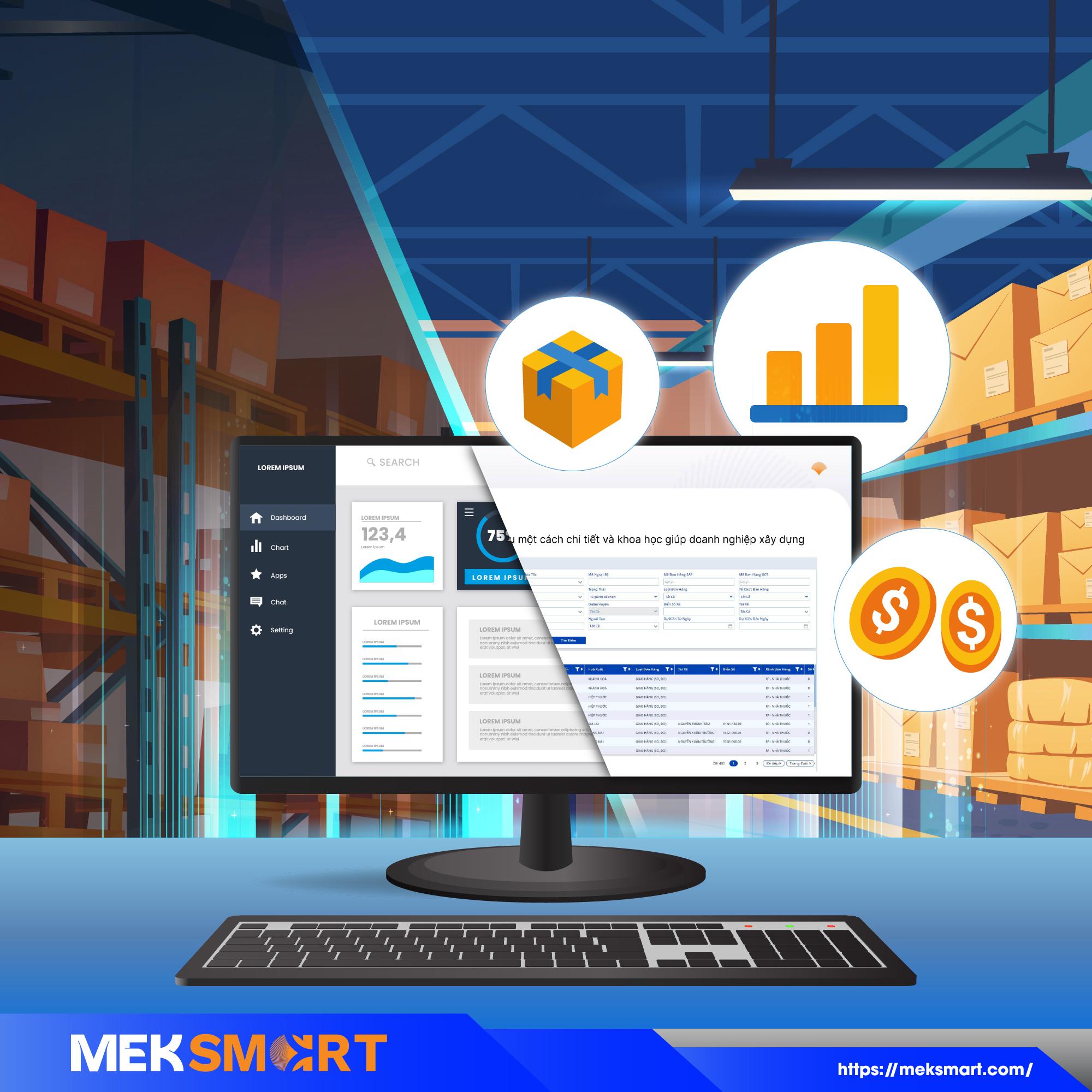
WMS - Warehouse Management Software for Optimized Operations
To maximize the system's effectiveness, businesses need an operations team that understands the processes and can coordinate flexibly in various situations. In a volatile warehouse environment, the human element plays a crucial role in efficiently utilizing and operating the system. Based on a standardized and appropriate process, WMS becomes a tool to support businesses in improving operational efficiency and scalability.
As can be seen, software can solve most problems in warehouse rental management, but overall efficiency requires coordination between the system, processes, and personnel.
3. Solving the warehouse rental problem: the combination of technology and processes
The effectiveness of the system in practice largely depends on the operational capacity of the business. Given the volatile nature of warehouse rentals, a team with a thorough understanding of processes and flexible coordination capabilities will be key to maximizing the system's value.
First, standardizing processes is fundamental. When processes are clearly defined and consistent, businesses can minimize errors and create conditions for efficient system operation.
Next, technology plays a supporting and accelerating role. MEKWMS from Meksmart helps businesses manage multiple customers, automate import and export, accurately control inventory, and transparently calculate service fees. Simultaneously, the system also supports the full recording of all generated services and provides reports for each customer.
Meksmart doesn't just stop at software; it approaches the problem from a holistic perspective with a team of experienced personnel, from process consulting and operational standardization to system implementation tailored to each warehouse rental model. As a result, businesses not only "have a system," but actually operate efficiently on that system.
When the three elements of process, technology, and people are combined correctly, businesses can not only reduce operational errors but also sustainably scale up, while simultaneously enhancing customer experience.
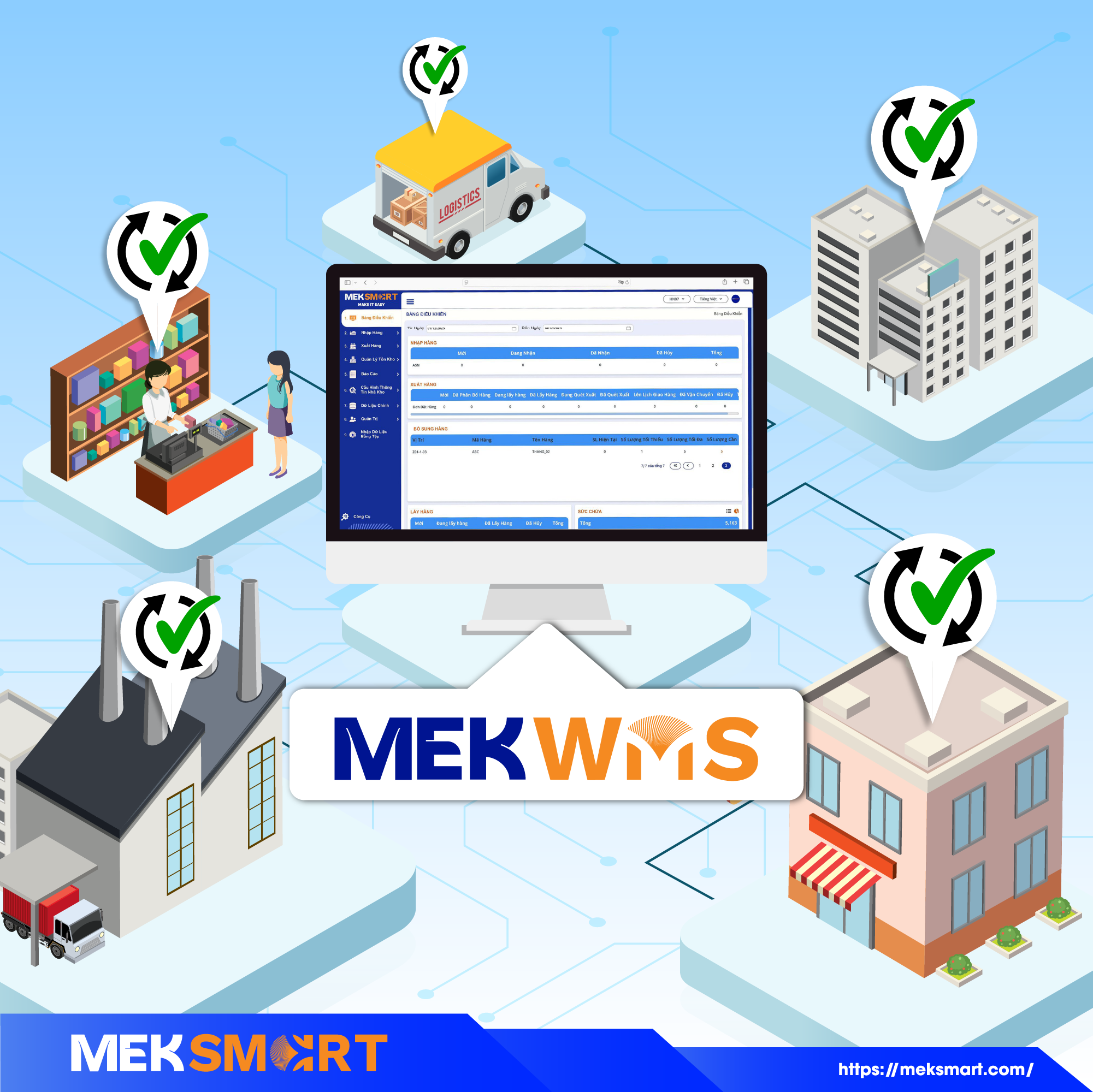
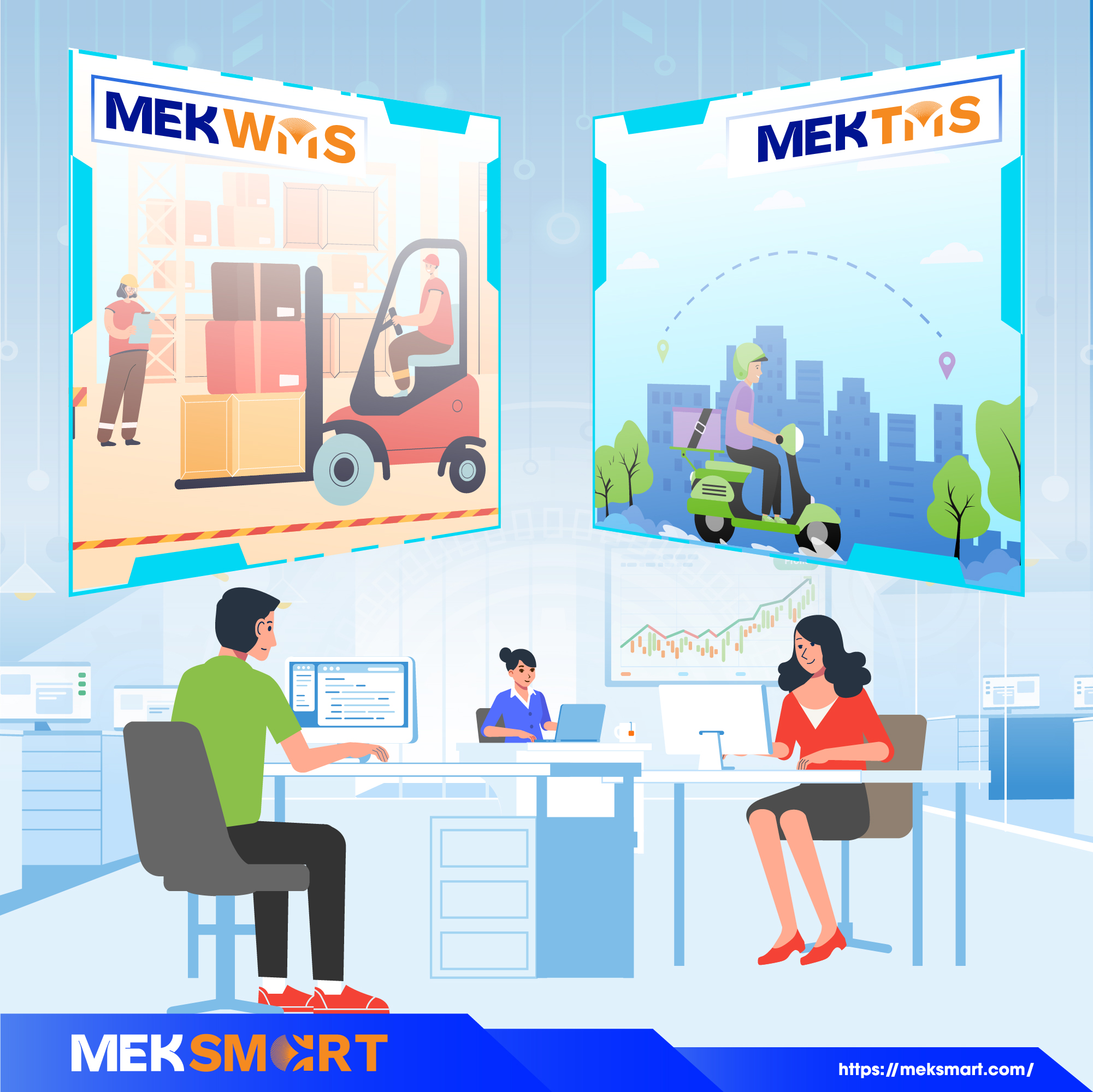
MEKWMS application in multi-customer warehouse rental operations
Warehouse rental is a complex problem with many fluctuations. Software cannot solve everything, but it is a crucial foundation to help businesses optimize operations.
The key to an effective solution lies not in choosing a single tool, but in the ability to coordinate technology, processes, and people. This is the decisive factor that helps businesses operate warehouses efficiently and achieve long-term growth.
Feature News




MEKSMART TECHNOLOGY SOLUTION CO., LTD
Email : info@meksmart.com
Hotline : (+84)822923650
Offiice : SBI Building, Lot 6B, Street 3, Quang Trung Software Park, Trung My Tay Ward, Ho Chi Minh City, Vietnam
Industries
Solutions
SUBSCRIBE US
PRIVACY POLICY