MEKSMART
GENERAL NEWS

Author: Meksmart .
Update: 05/05/2026
5 types of businesses that should not invest in logistics digitalization.
5 types of businesses that should not invest in logistics digitalization.
WMS and TMS are often considered "essential steps" when businesses want to optimize logistics. However, in practice, many cases show that investing in software doesn't yield the expected results, and can even complicate operations.
The problem isn't the technology, but whether the business is truly ready. Based on real-world implementation experience, let's explore with Meksmart the situations where "not investing" might actually be a more sensible choice, helping businesses avoid going down the wrong path from the start.
Lack of Operational Control - A Bottleneck Before Thinking About Logistics Digitalization
1. When the Logistics Problem Is Still Unclear
Many businesses turn to software when they feel their operations are "problematic," but haven't yet identified the specific problem. In this case, deploying WMS/TMS easily becomes a trial run, resulting in the system being implemented but not addressing the root cause.
Instead of rushing to digitize, the first step is to thoroughly analyze the entire operation, from inventory and order processing flow to costs, to clearly understand what needs to be solved. When the problem is clear enough, technology can truly play its role.
2. When Operations Are Small and Constantly Changing
At the stage where the scale is not large, orders are not numerous, and processes are still being perfected, introducing software too early often doesn't deliver commensurate value. The system at this stage is prone to reactive operation, constant adjustments, resulting in increased costs and instability.
In reality, this is the appropriate stage for businesses to standardize their operations first. Once processes are clear and control pressures begin to arise, software will act as an acceleration tool, rather than an added layer of complexity.
3. When software is expected as a “total solution”
One common misconception is viewing WMS/TMS as a tool that can automatically optimize the entire operation. But technology cannot replace processes and management thinking. If the operational foundation is not good, the system will only help process faster but not necessarily more accurately.
A more effective approach is to build clear processes, define specific goals, and then use software to control and optimize. In this case, technology becomes a lever, not a “savior.”
4. Lack of Management Involvement
Implementing a WMS/TMS is essentially a project to change how a business operates. If the leadership team is not directly involved, the system is very likely to "break down" during implementation: personnel don't follow through, processes are not synchronized, and ultimately the software is not used correctly.
Leadership involvement from the beginning, from setting direction and closely monitoring implementation to driving change, not only helps the project stay on track but also ensures the system is truly operational.
5. When decisions are driven by pressure to "go digital"
Digital transformation is a trend, but if implementation is only to "avoid falling behind," the software easily becomes a purely formal investment. When not linked to actual needs, the system is often not fully utilized, or even neglected in operation.
Instead of chasing trends, businesses need to clearly define what they want to improve: cost, processing speed, or control capabilities. When there are specific goals, investing in new technology truly delivers value.
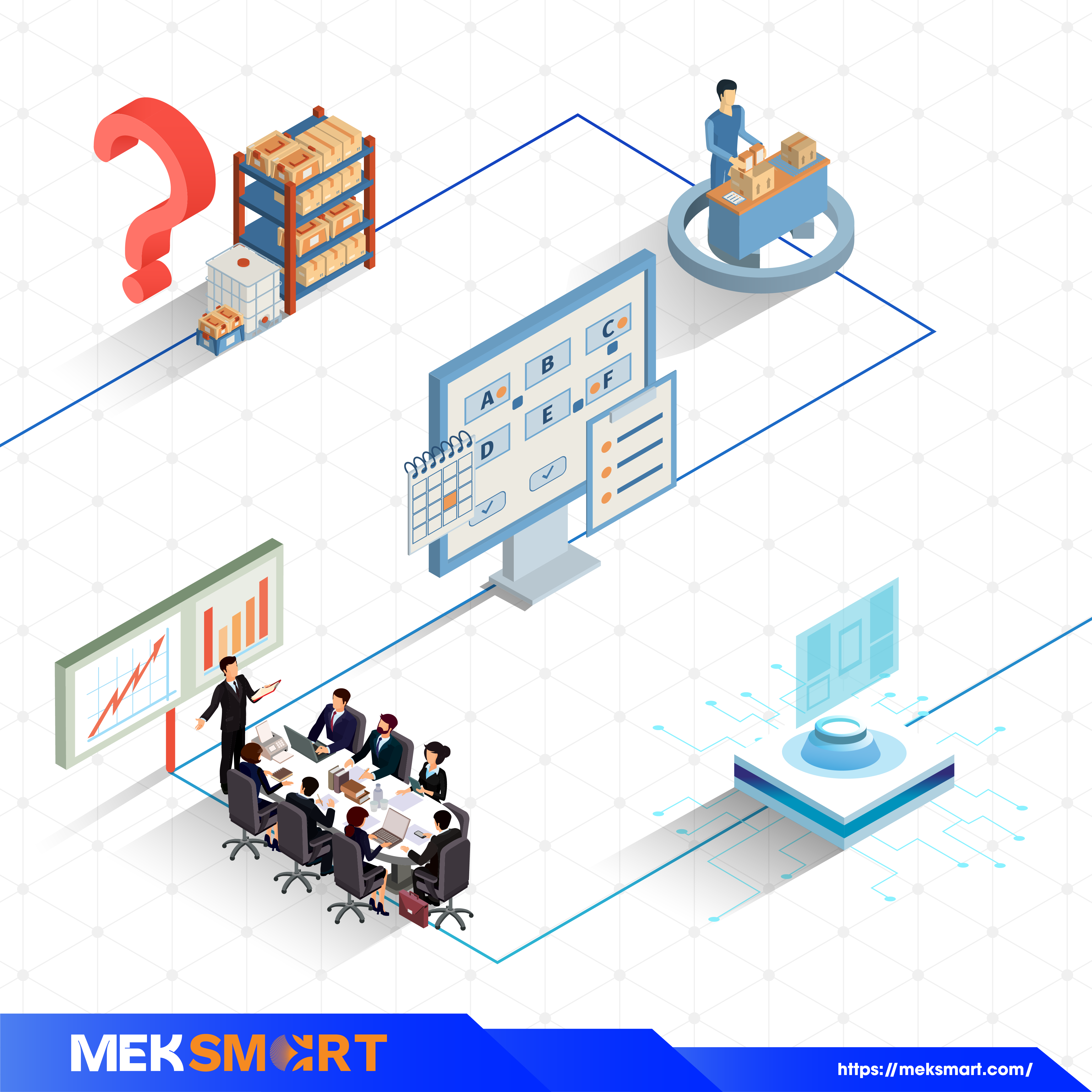
Cases where businesses should not implement WMS/TMS
Timely digitalization is more important than early digitalization
Solutions like WMS/TMS are important tools for businesses, but only when implemented at the right time. If applied too early or for the wrong purpose, the technology will not only fail to create value but will also become an operational burden.
With Meksmart, software is not the starting point, but the next step after a business has a clear understanding of its operations. Meksmart begins by assessing the current situation, identifying the right problems, and building a roadmap suitable for each business.
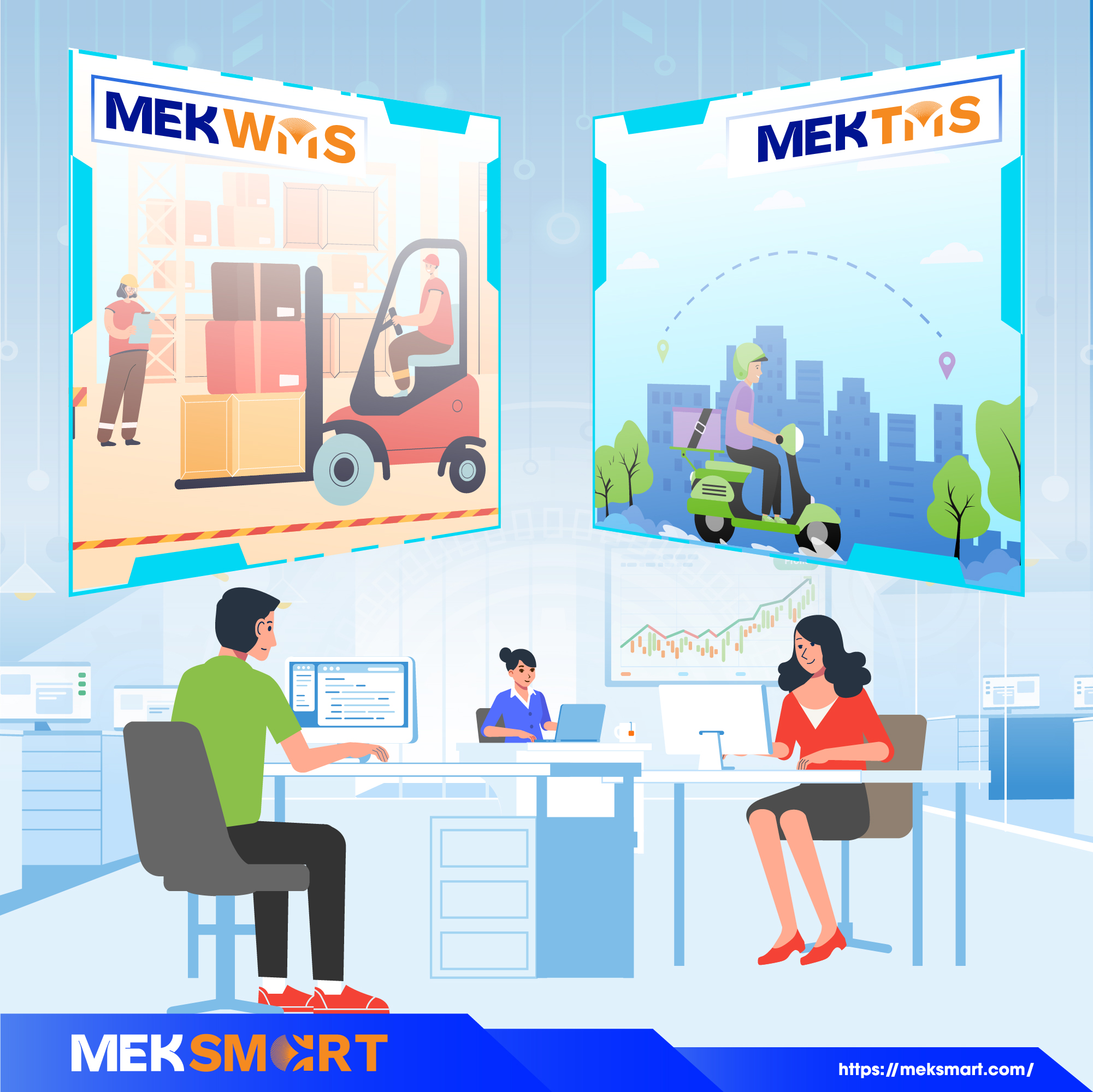
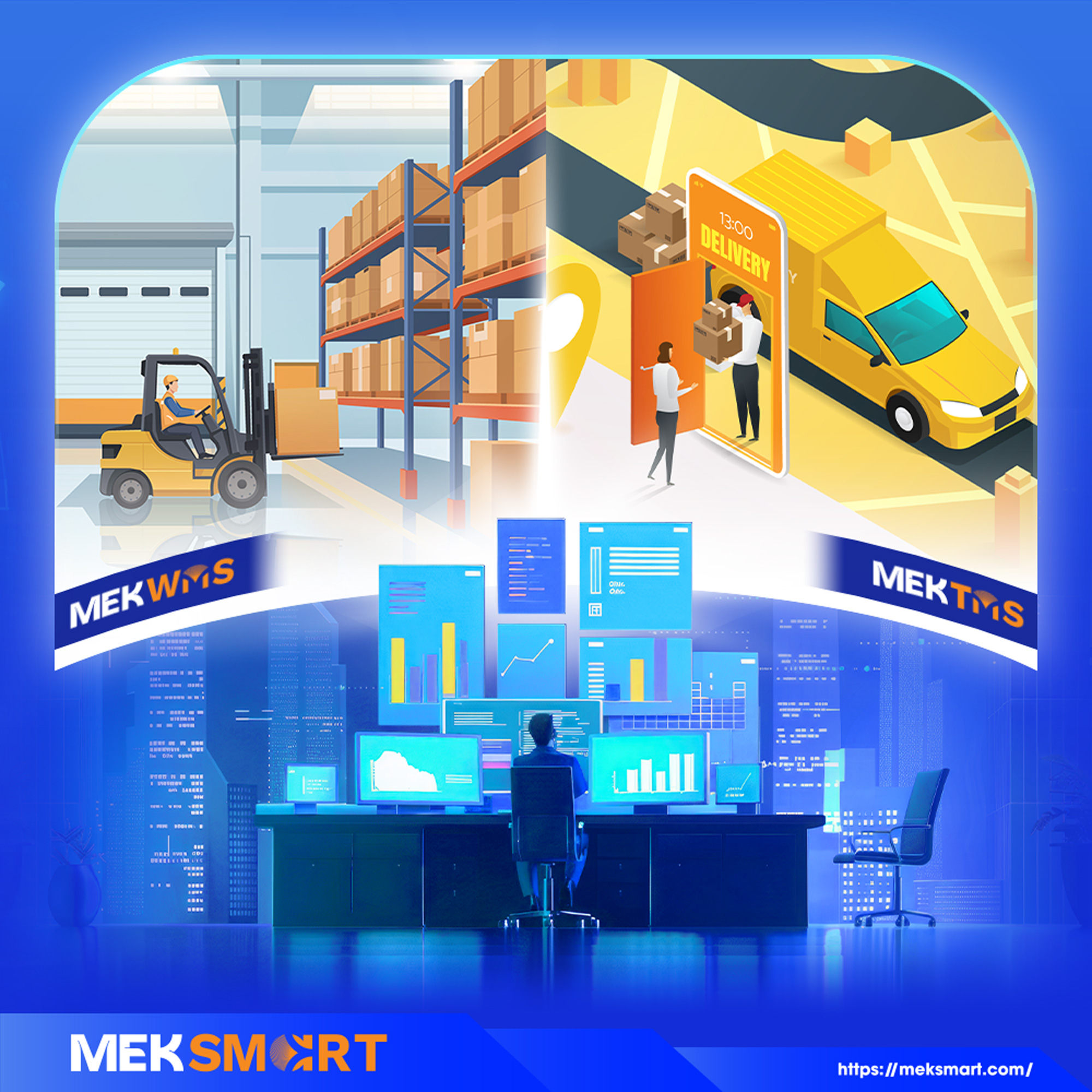
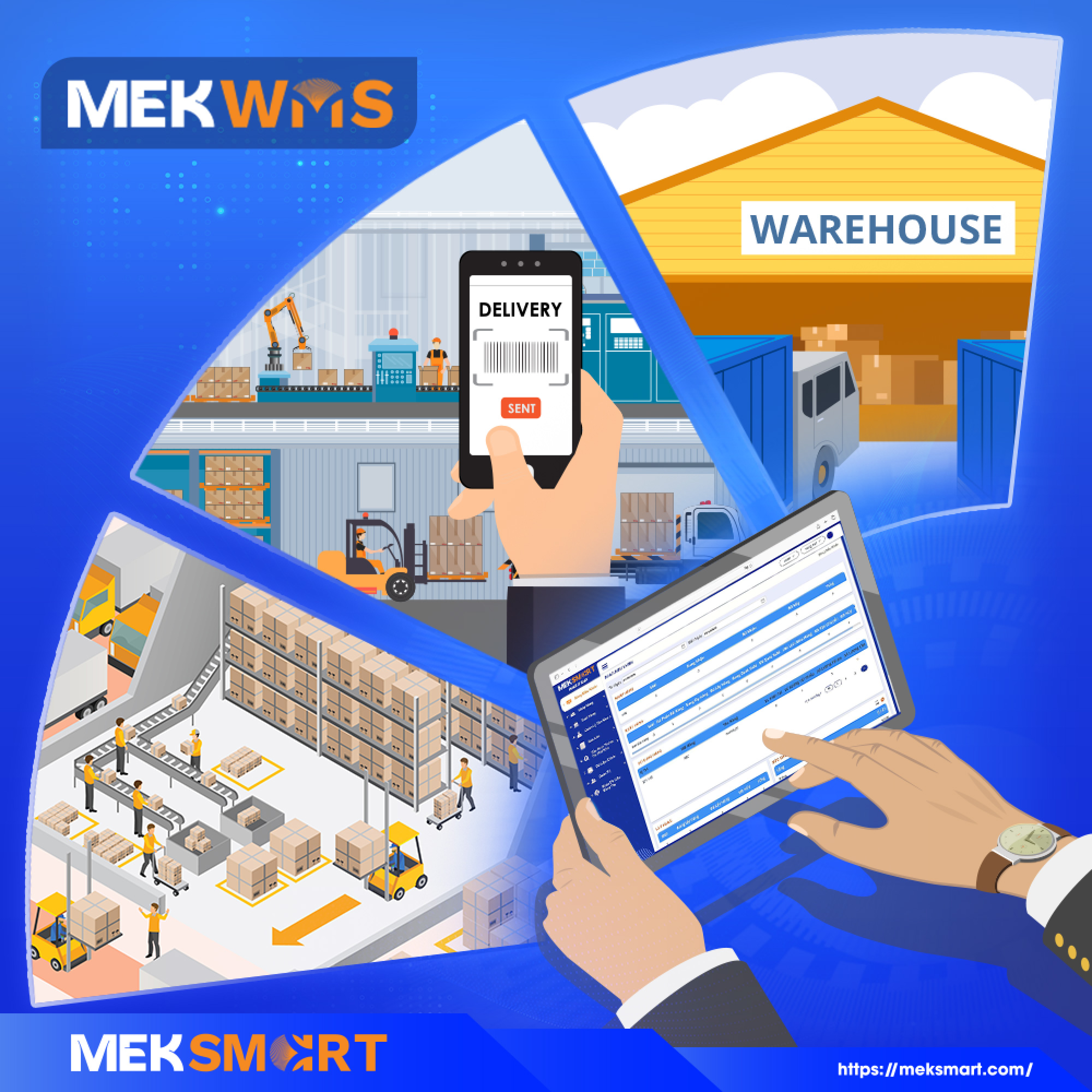
In addition, Meksmart not only provides software but also acts as a consulting unit to help businesses follow the right digitalization path from the beginning. Solutions like MEKWMS or MEKTMS not only help manage inventory accurately, optimize transportation, and reduce costs, but also ensure sustainable operations and scalability for the future.
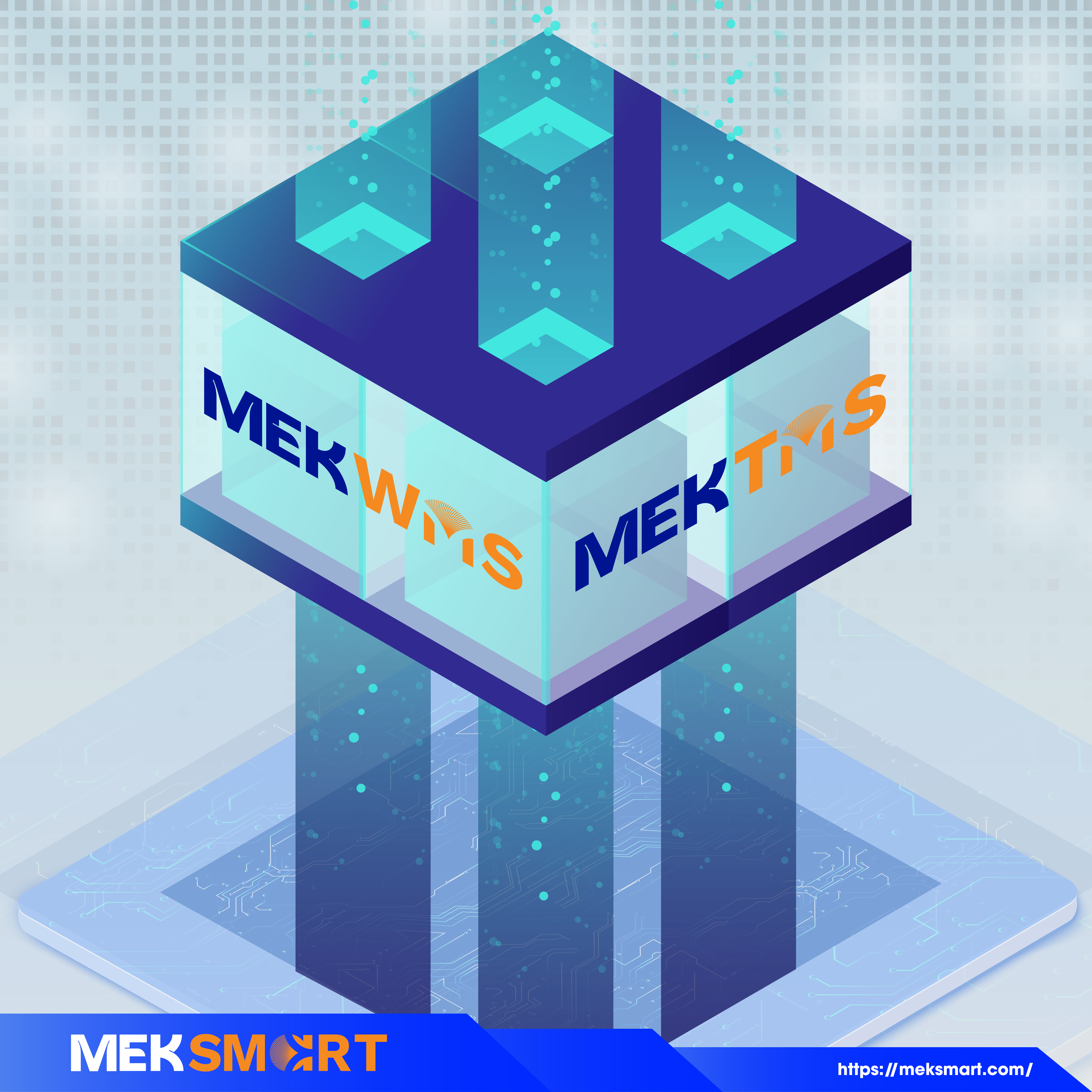
Maximizing the effectiveness of TMS and WMS with Meksmart
Digital transformation is not about moving fast, but about moving right. And Meksmart is the partner that helps businesses do that in the most practical and effective way.
Feature News

MEKSMART TECHNOLOGY SOLUTION CO., LTD
Email : info@meksmart.com
Hotline : (+84)822923650
Offiice : SBI Building, Lot 6B, Street 3, Quang Trung Software Park, Trung My Tay Ward, Ho Chi Minh City, Vietnam
Industries