MEKSMART
GENERAL NEWS

Author: Meksmart .
Update: 29/12/2025
MEKSMART | WAREHOUSE AUTOMATION WITH WMS – AN OPTIMAL OPERATIONS SOLUTION FOR LOGISTICS ENTERPRISES
In logistics enterprises, the warehouse is the central hub for coordinating the flow of goods, directly impacting order processing speed, operating costs, and the ability to meet customer SLA commitments. However, many logistics companies still manage their warehouses using Excel or manual processes, resulting in fragmented data, limited visibility, and constrained scalability as shipment volumes increase.
Warehouse automation with a WMS enables logistics enterprises to transition from manual management to data-driven, real-time warehouse operations, standardize processes, and ensure that the flow of goods remains seamless, accurate, and always ready for distribution.
1. Logistics Warehouse Operations and the Role of WMS in Warehouse Automation
For logistics enterprises, warehouses must handle high volumes, fast turnover, and continuous inbound–outbound activities. They are not only storage facilities but also hubs that coordinate the flow of goods. Due to these operational characteristics, the adoption of a WMS is essential. A WMS records all inbound and outbound transactions in real time, ensuring inventory data is always synchronized with physical stock and minimizing discrepancies caused by manual handling.
With the complexity of managing multiple SKUs, multiple customers, and orders with different storage and dispatch requirements, a WMS enables detailed management by SKU, location, batch, expiration date, and FIFO/FEFO rules. As a result, warehouse operations become more structured, reducing picking errors and losses.
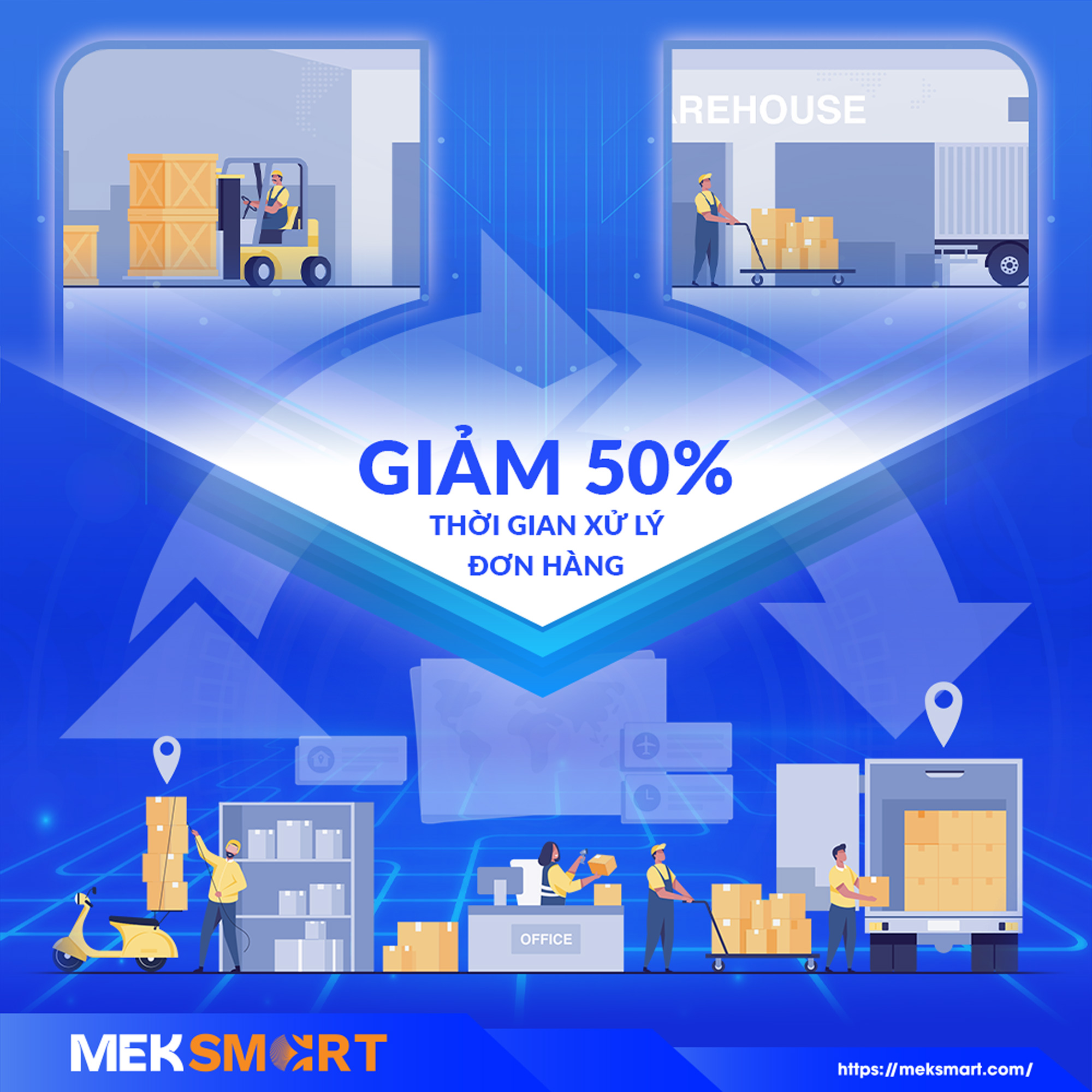
Under the pressure of meeting service-level agreements (SLAs), warehouses directly determine order processing speed. In this context, a WMS helps standardize picking and packing processes, shorten processing time, and improve accuracy when handing over goods to transportation teams.
At the same time, logistics enterprises constantly face challenges in controlling warehouse operating costs. By optimizing workflows and allocating labor more effectively, a WMS reduces unnecessary tasks, lessens dependence on highly experienced personnel, and optimizes cost per order.
For businesses operating multiple warehouses or distribution hubs, a WMS enables centralized warehouse data management on a unified platform, supports flexible inventory allocation between locations, prevents local shortages or overstocking, and ensures a smooth flow of goods.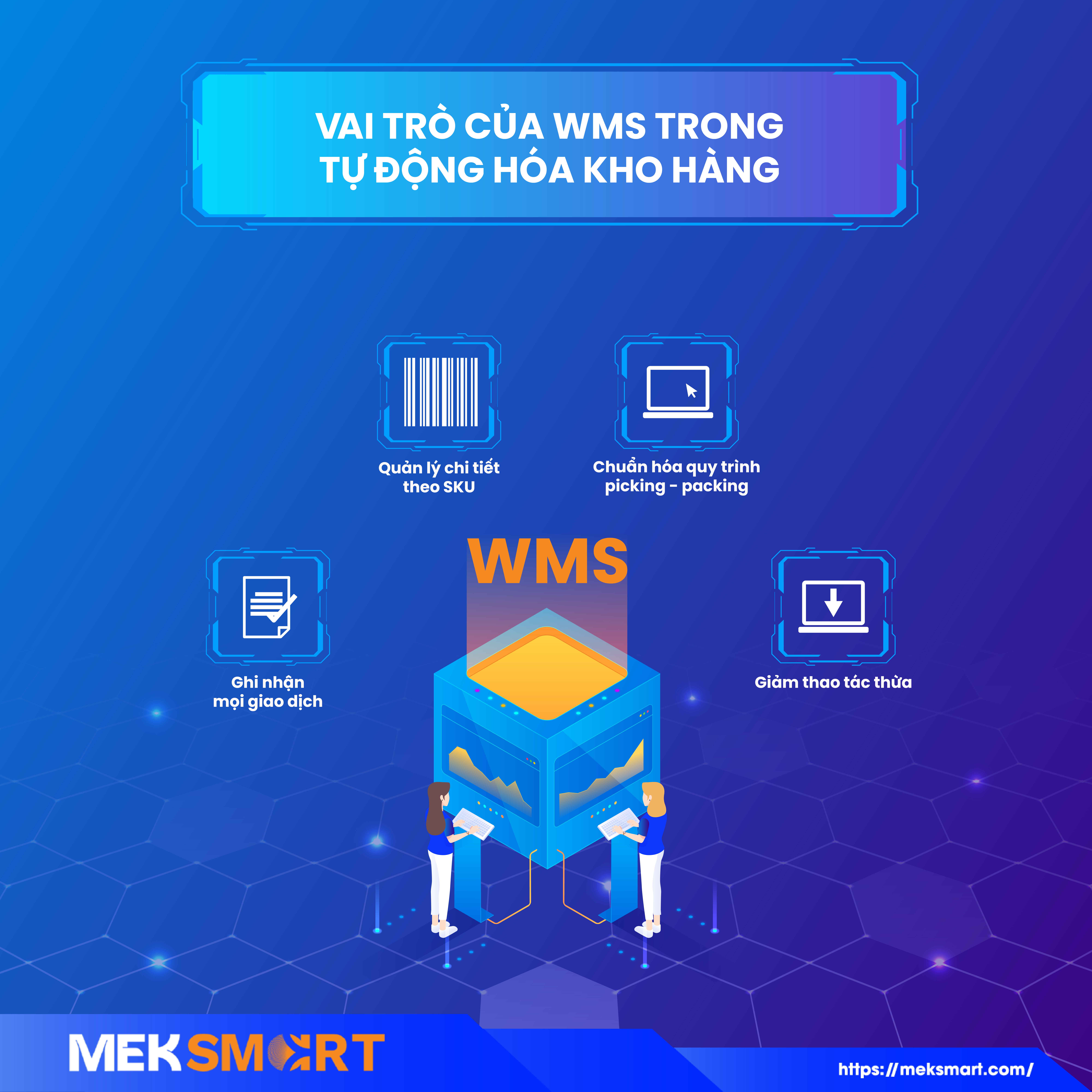
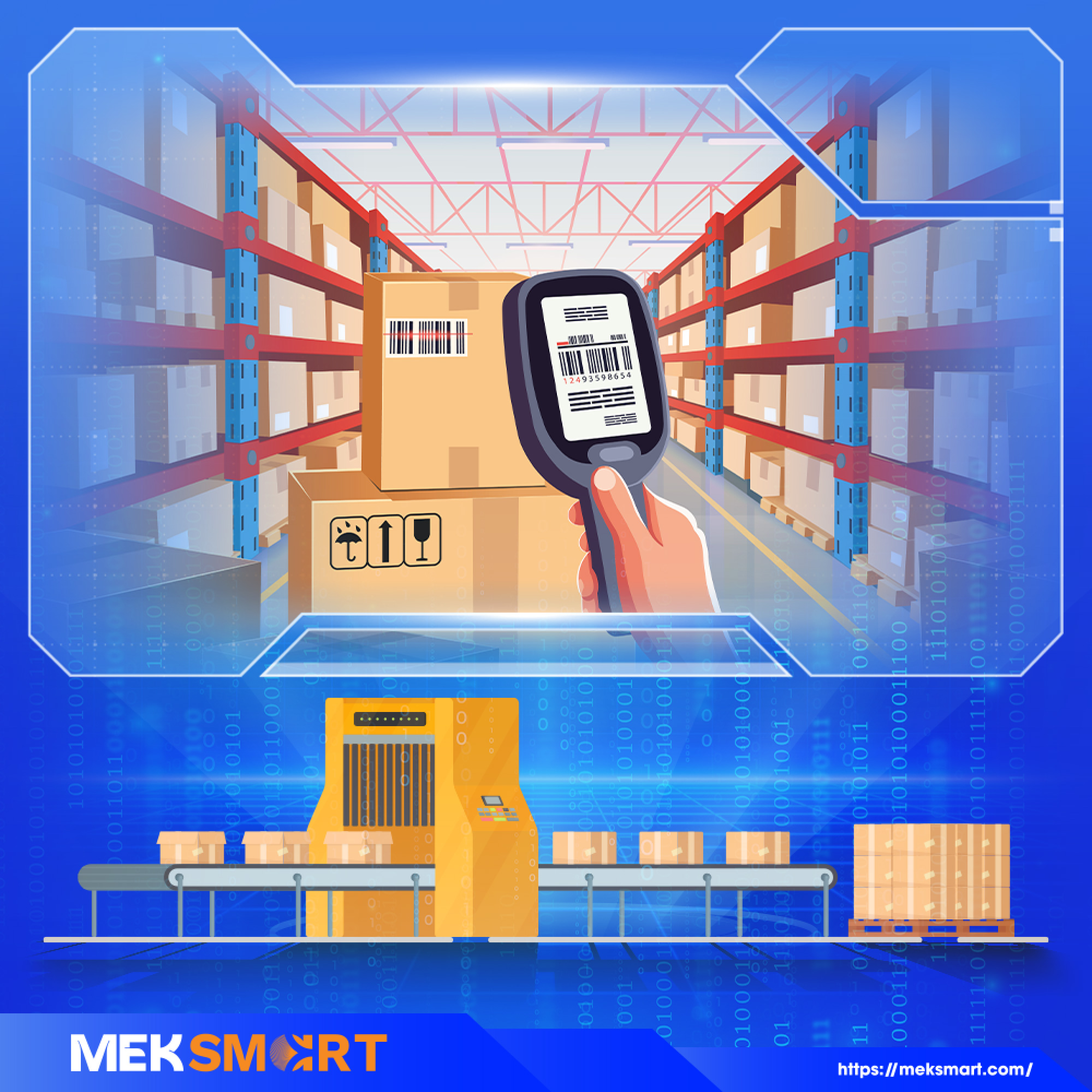
The Role of WMS in Warehouse Automation
2. WMS Implementation Process for Warehouse Automation
To achieve effective warehouse automation, logistics enterprises need to implement a WMS through a structured process rather than simply installing software.
-
Assess the current warehouse status: This step helps enterprises understand how their warehouse is currently operating. Businesses should evaluate warehouse size, number of SKUs, inbound–outbound frequency, and existing bottlenecks. This forms the basis for defining actual WMS requirements.
-
Standardize warehouse processes before digitization: Enterprises need to align procedures for receiving, storage, picking, dispatching, and inventory counting. Standardization ensures smooth WMS operation and minimizes issues during system usage.
-
Prepare accurate warehouse data: Data is the foundation of a WMS. Enterprises must prepare complete and accurate product information, SKUs, storage locations, units of measure, and inventory management rules. The clearer the data, the more effective the warehouse automation.
-
Train staff and conduct pilot operations: People play a crucial role in any transformation. Therefore, enterprises should train warehouse staff on proper system usage and run pilot operations to fine-tune processes before full-scale deployment.

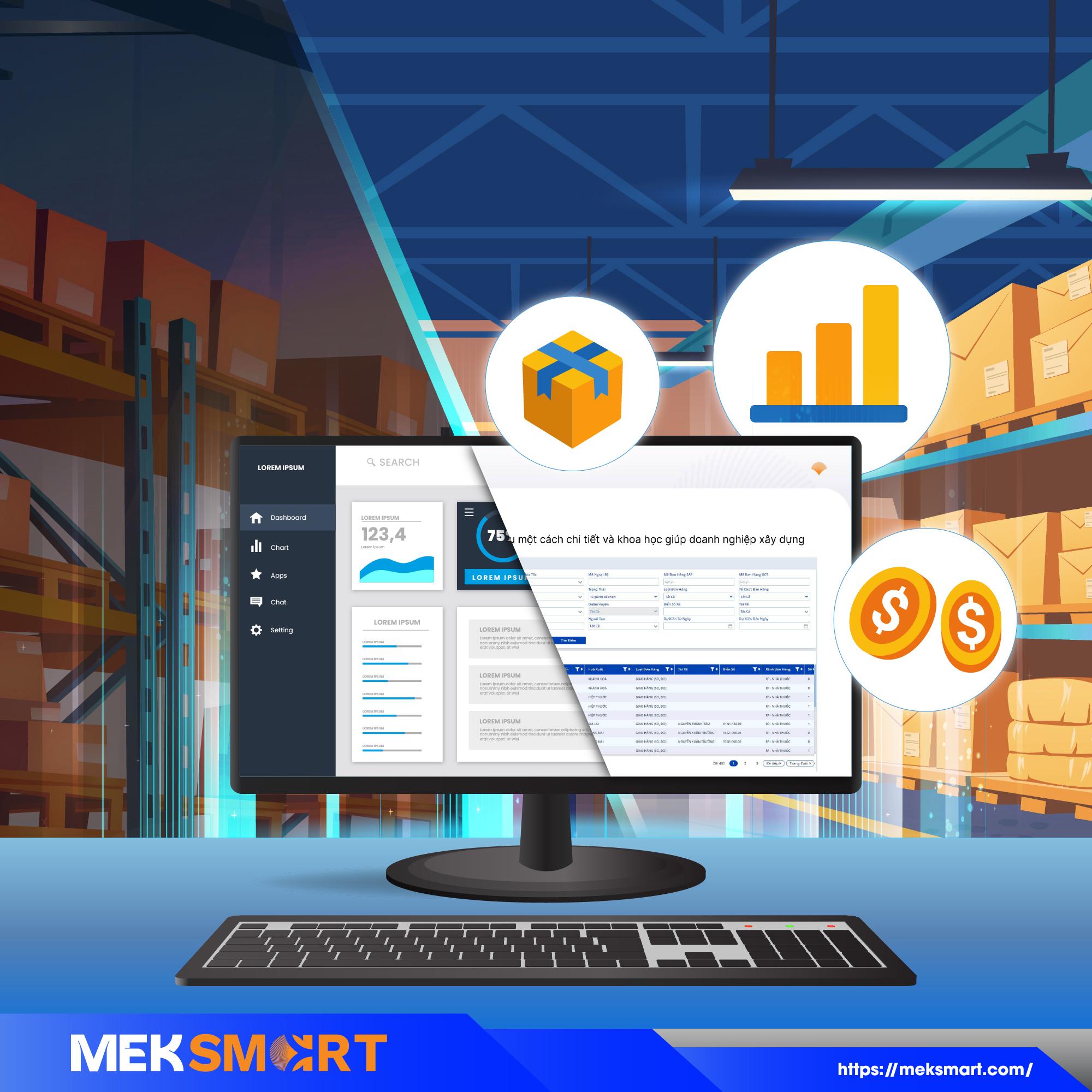
WMS Implementation Process in Warehouse Automation
3. MEKWMS – The Optimal Choice for Your Warehouse Automation
MEKWMS by Meksmart is designed to meet the operational characteristics of logistics enterprises in Vietnam. MEKWMS enables real-time inventory management, automates order processing, and standardizes warehouse operations on a unified platform.
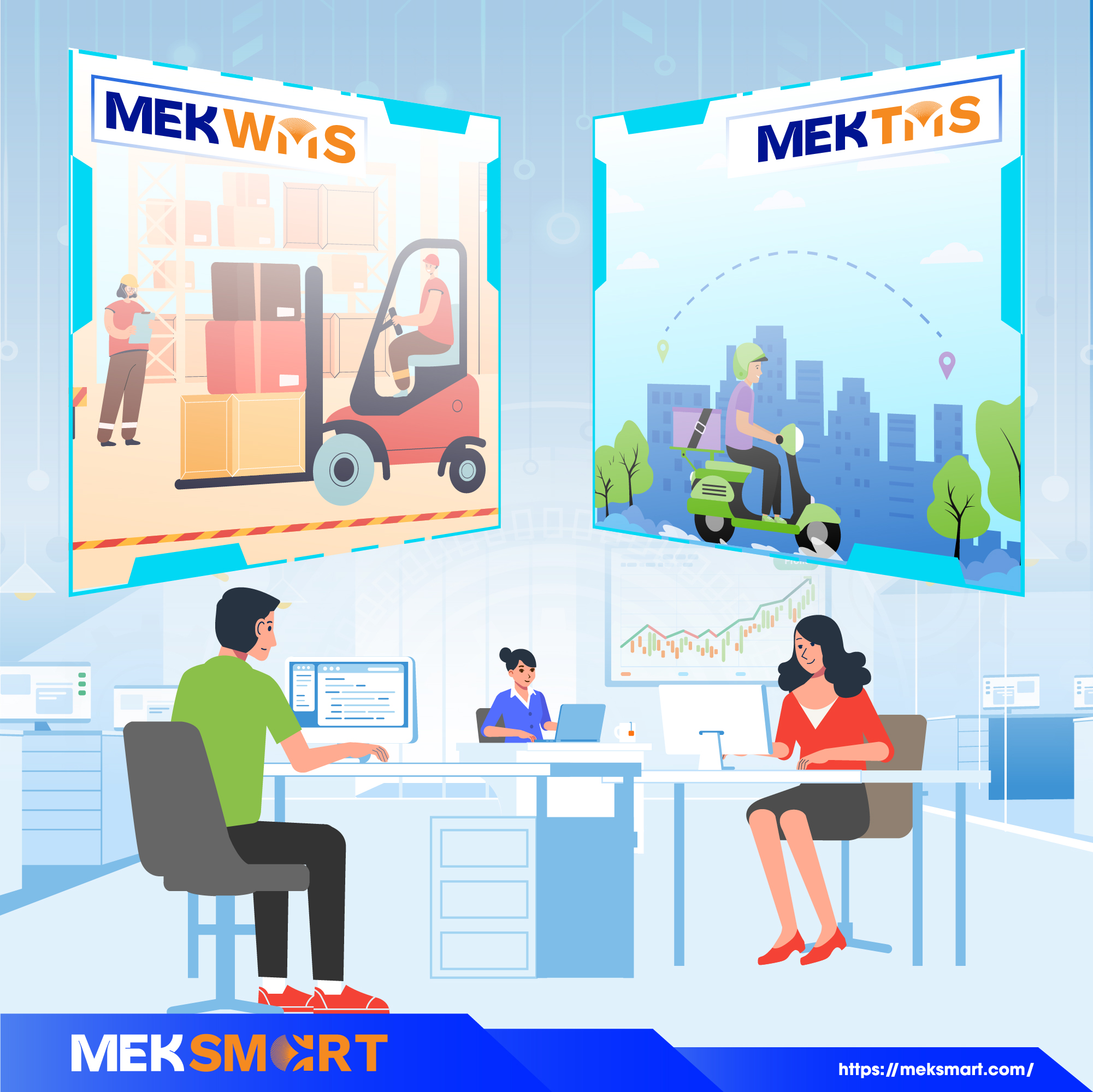
MEKWMS easily integrates with other applications such as MEKTMS and sales systems, allowing enterprises to scale flexibly and optimize costs. More importantly, Meksmart not only provides software but also accompanies customers from consulting and implementation to operational support—true to the “Make It Easy” philosophy—helping businesses approach warehouse automation in a structured and sustainable way.

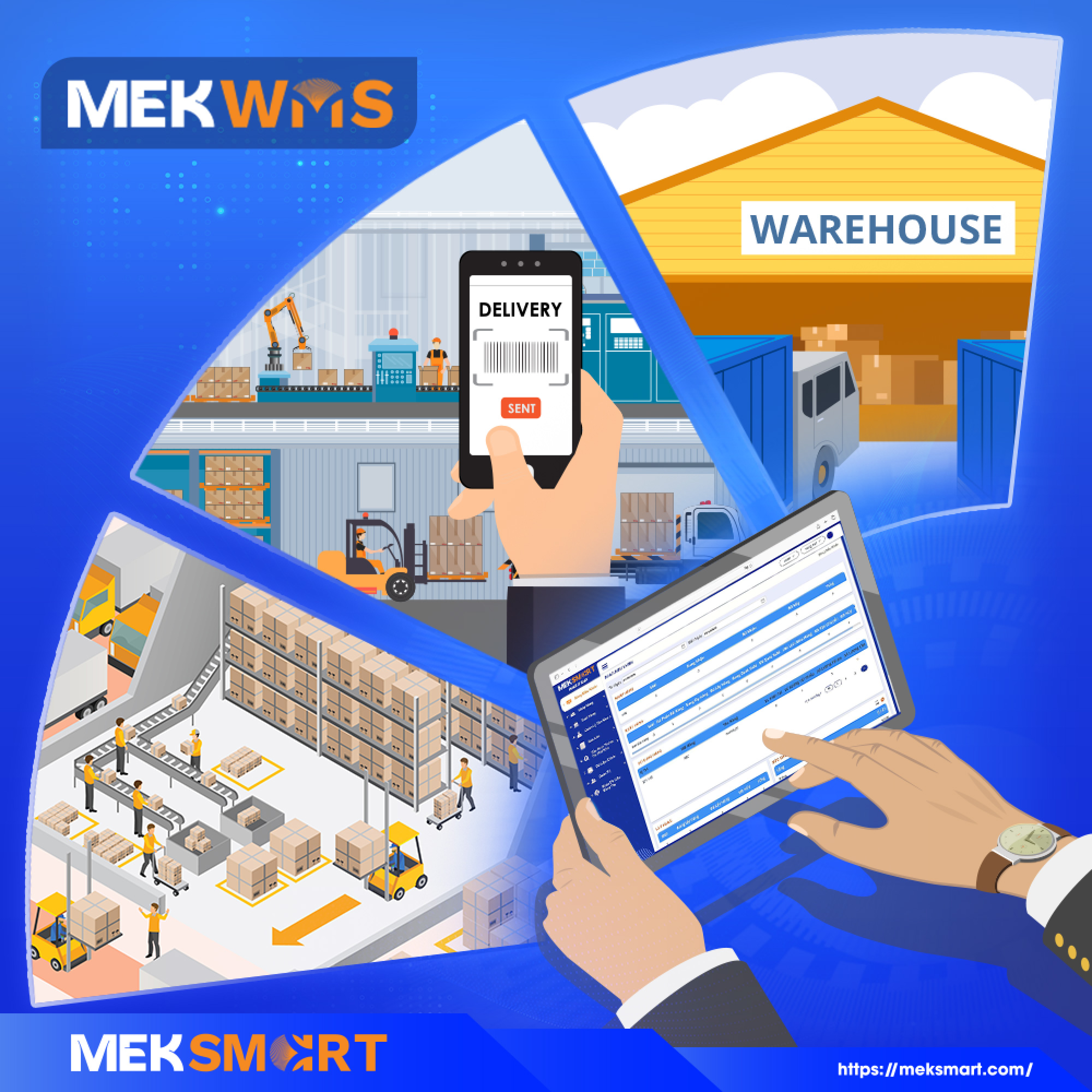
MEKWMS – The Optimal Warehouse Automation Solution
With high demands for speed and accuracy, warehouse automation with a WMS helps logistics enterprises operate more efficiently while optimizing costs.
MEKWMS helps your business achieve the optimal balance between supply and demand. For more information or a demo, contact Meksmart today.
Feature News


MEKSMART TECHNOLOGY SOLUTION CO., LTD
Email : info@meksmart.com
Hotline : (+84)822923650
Offiice : SBI Building, Lot 6B, Street 3, Quang Trung Software Park, Trung My Tay Ward, Ho Chi Minh City, Vietnam
Industries