MEKSMART
GENERAL NEWS

Author: Meksmart .
Update: 23/12/2025
MEKSMART | OPTIMIZING WAREHOUSE OPERATIONS AGAINST UNUSUAL ENVIRONMENTAL FACTORS
In logistics operations, warehousing is always a critical link that ensures the continuity of the supply chain. However, in recent times, many businesses have faced unusual environmental factors such as localized heavy rain, flooding, prolonged heat waves, or unexpected infrastructure failures. These disruptions can directly impact goods, facilities, and delivery schedules.
So how can businesses operate and optimize warehouses to avoid risks caused by weather conditions? Let’s explore this topic with Meksmart in the following article.
1. Impact of Natural Disasters on Warehouse Operations
Weather and environmental fluctuations not only affect human life but also have a significant impact on warehouse operations.
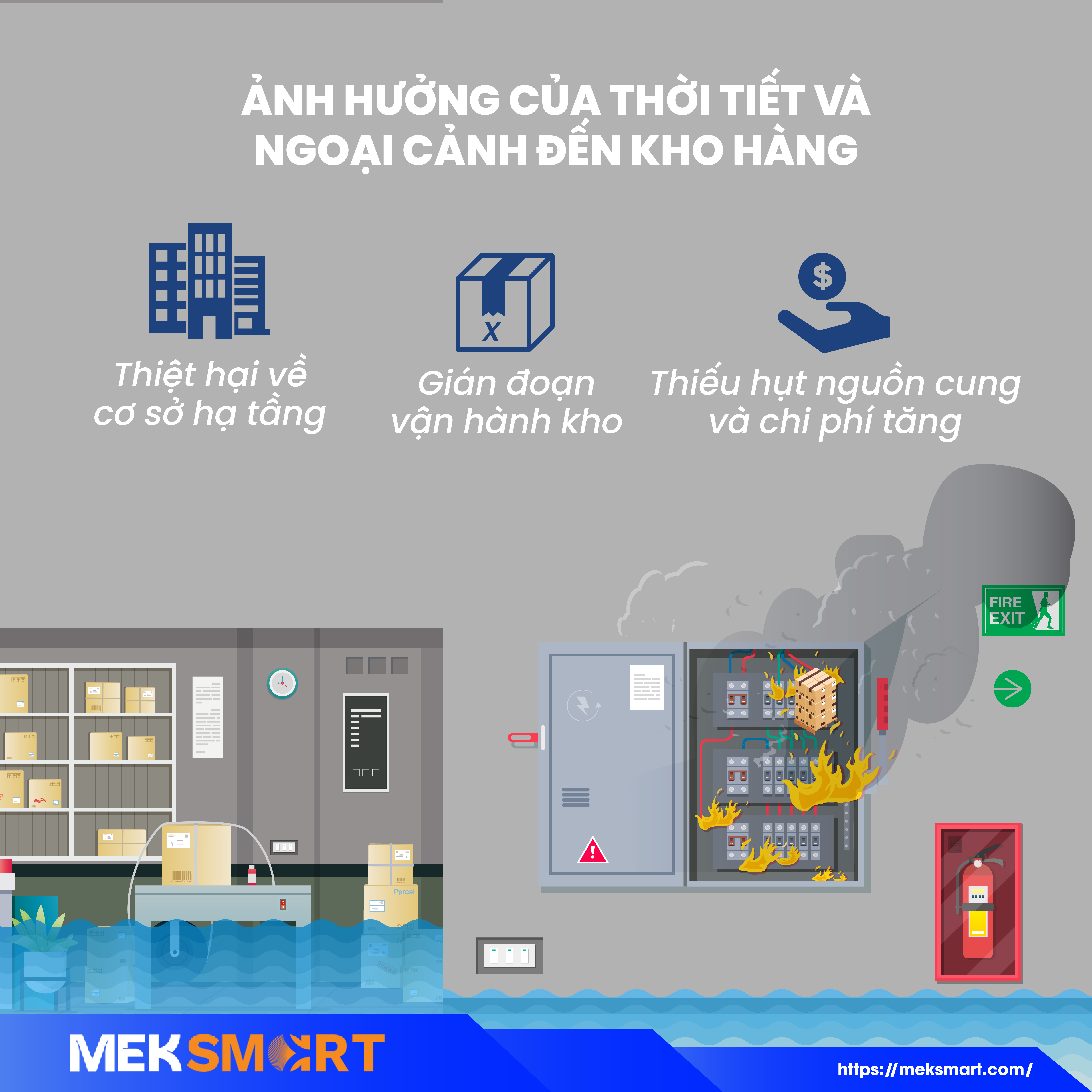
- Infrastructure damage: When events such as floods, fires, or earthquakes occur, warehouses are highly vulnerable to direct impact, leading to severe damage and loss of goods. Businesses must bear the costs of repairs, relocation, and the risk of prolonged delivery times. In addition, if roads or surrounding areas are destroyed, access and transportation of goods will be delayed or disrupted.
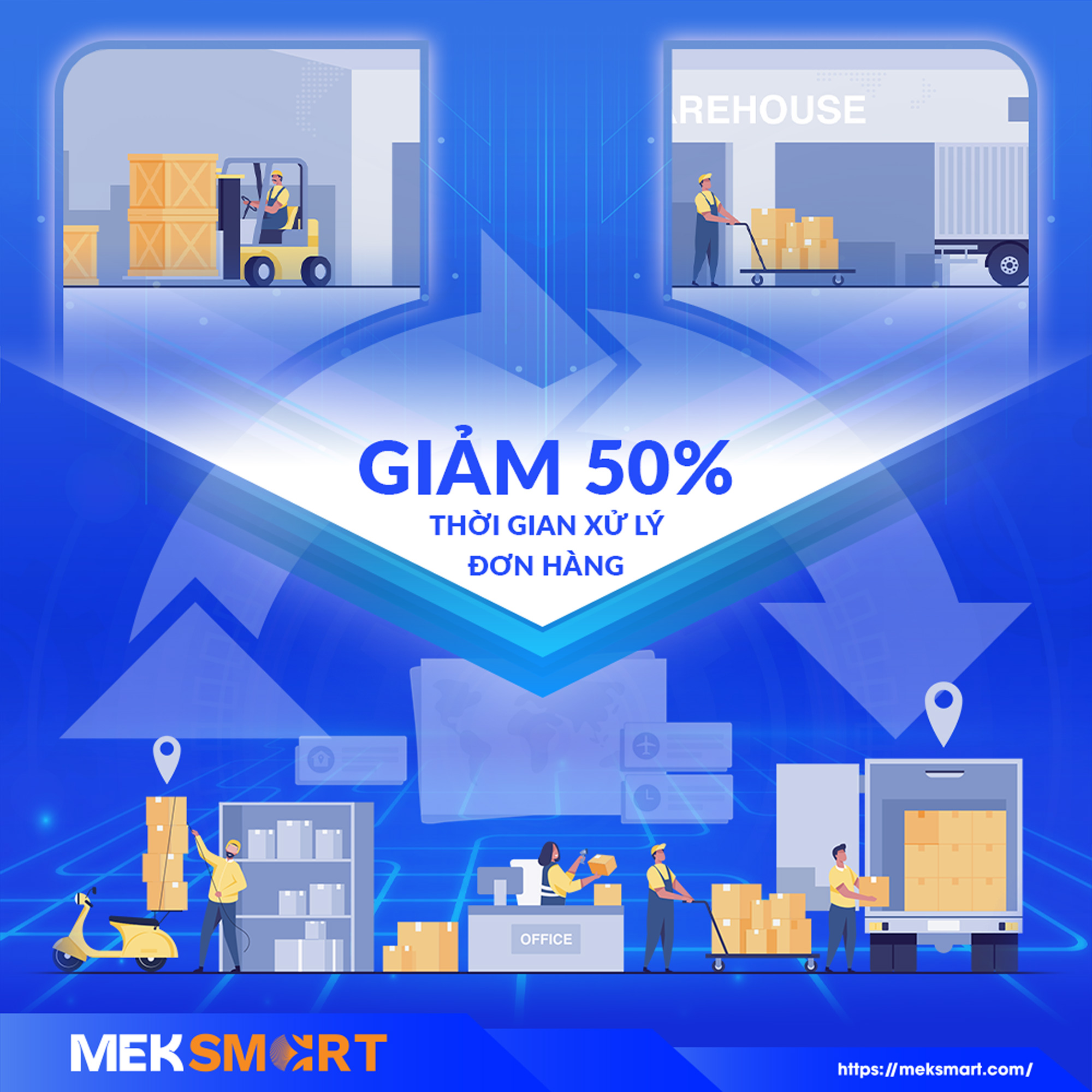
- Warehouse operation disruptions: Power outages, equipment damage, or restricted access can halt loading, storage, and goods coordination activities. This also affects suppliers, causing delays and preventing warehouses from receiving goods on time, resulting in backlogs and increased operating costs.
- Supply shortages and rising costs: When goods cannot be imported or exported on schedule, raw material shortages are likely to occur. This leads to price increases, reduced profits, and impacts the entire supply chain.
2. Solutions for businesses to optimize warehouse management
First, businesses should develop a comprehensive risk assessment plan for each location. They need to review areas prone to deep flooding or landslide risks. In addition, classify the characteristics of each product group to build a risk map, such as flammable goods, temperature-sensitive items, perishable products, or high-value goods that require priority protection.
Based on this data, businesses can proactively create operational scenarios to address weather fluctuations, enabling the entire system to switch to a defensive mode quickly and avoid passive reactions to sudden changes.
Another important factor for safe warehousing is selecting warehouse locations in elevated areas with stable ground, good drainage, and not in regions frequently cut off. This helps businesses reduce damage and maintain operations even when weather conditions become complex.
Moreover, to ensure safe and continuous warehouse operations, businesses need to apply technology and engineering solutions. A Warehouse Management System (WMS) is one of the leading solutions. Especially when combined with IoT, it automates the entire disaster prevention process with optimal benefits such as:
- Optimized storage locations: WMS recommends safer areas, limiting storage on lower floors or near warehouse doors.
- Multi-warehouse management: Distribute goods across multiple locations to avoid dependency on a single warehouse and reduce the risk of system paralysis.
- Automated emergency relocation alerts: When warnings occur, WMS automatically generates a list of items to move, assigns tasks to relevant teams, and logs the entire process.
- Early warnings: IoT sensors continuously monitor temperature, humidity, water levels, and detect risks of electrical short circuits, fires, or flooding to provide immediate alerts.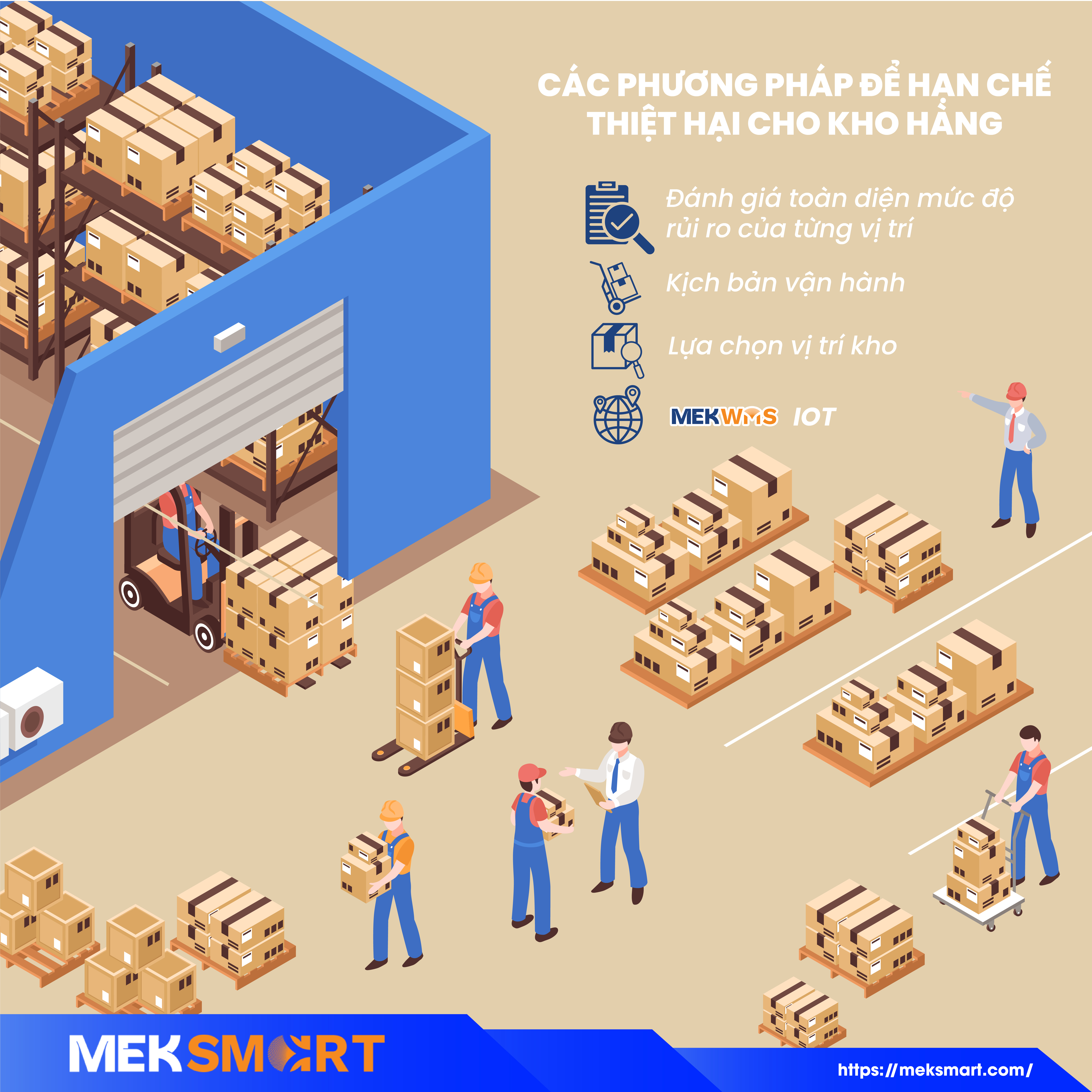 Methods to Minimize Warehouse Damage
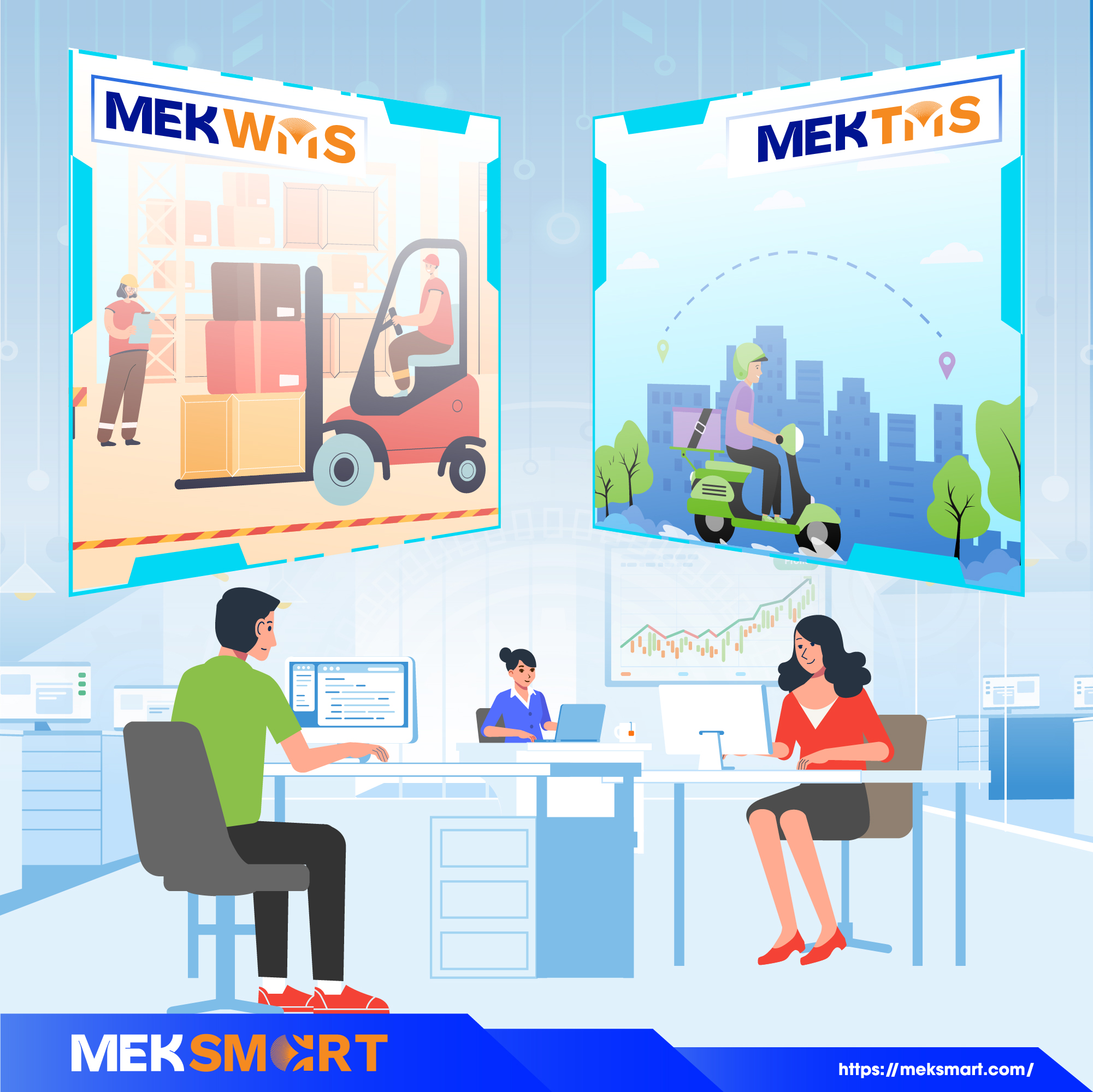
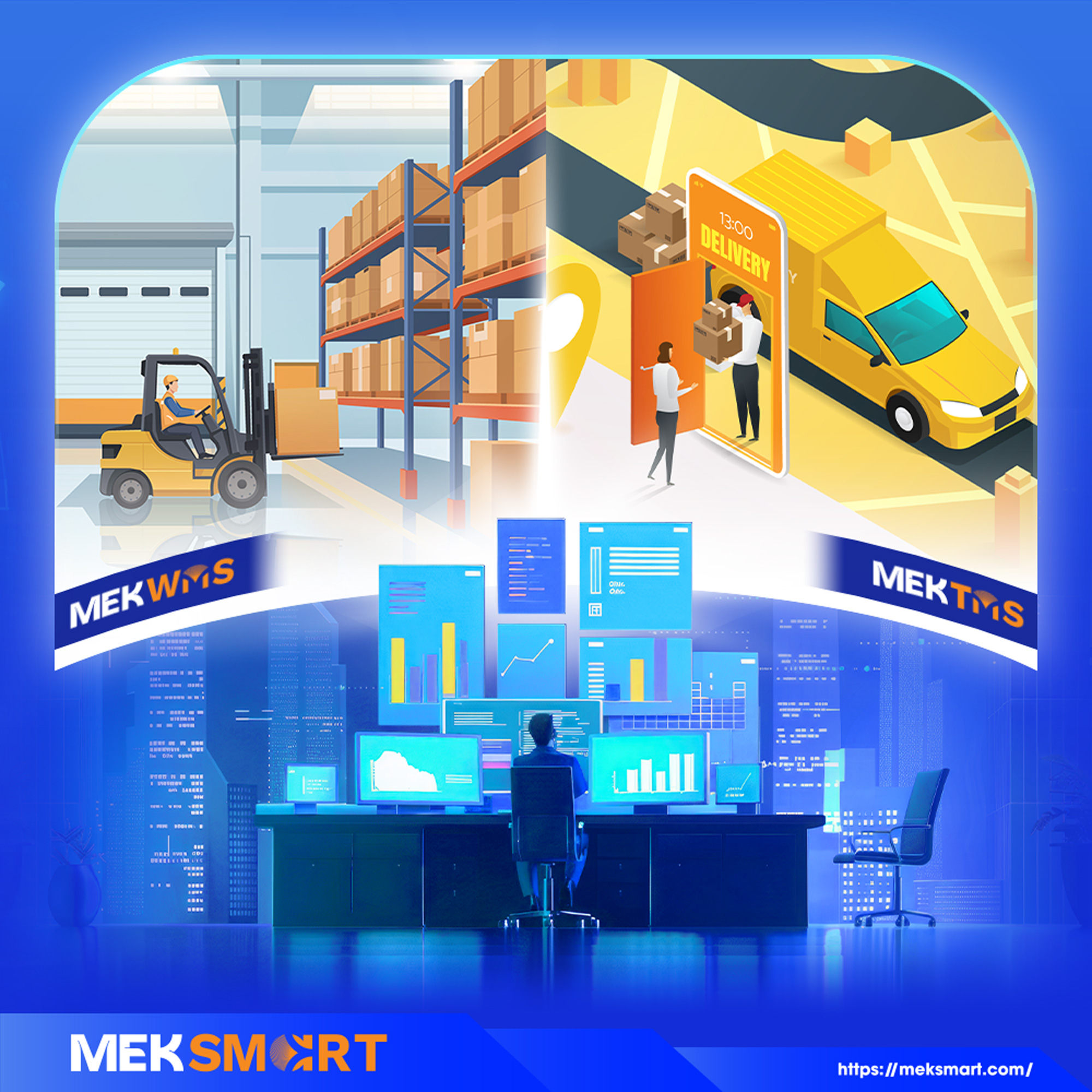
3. MEKWMS – The Optimal Solution for Warehouse Management
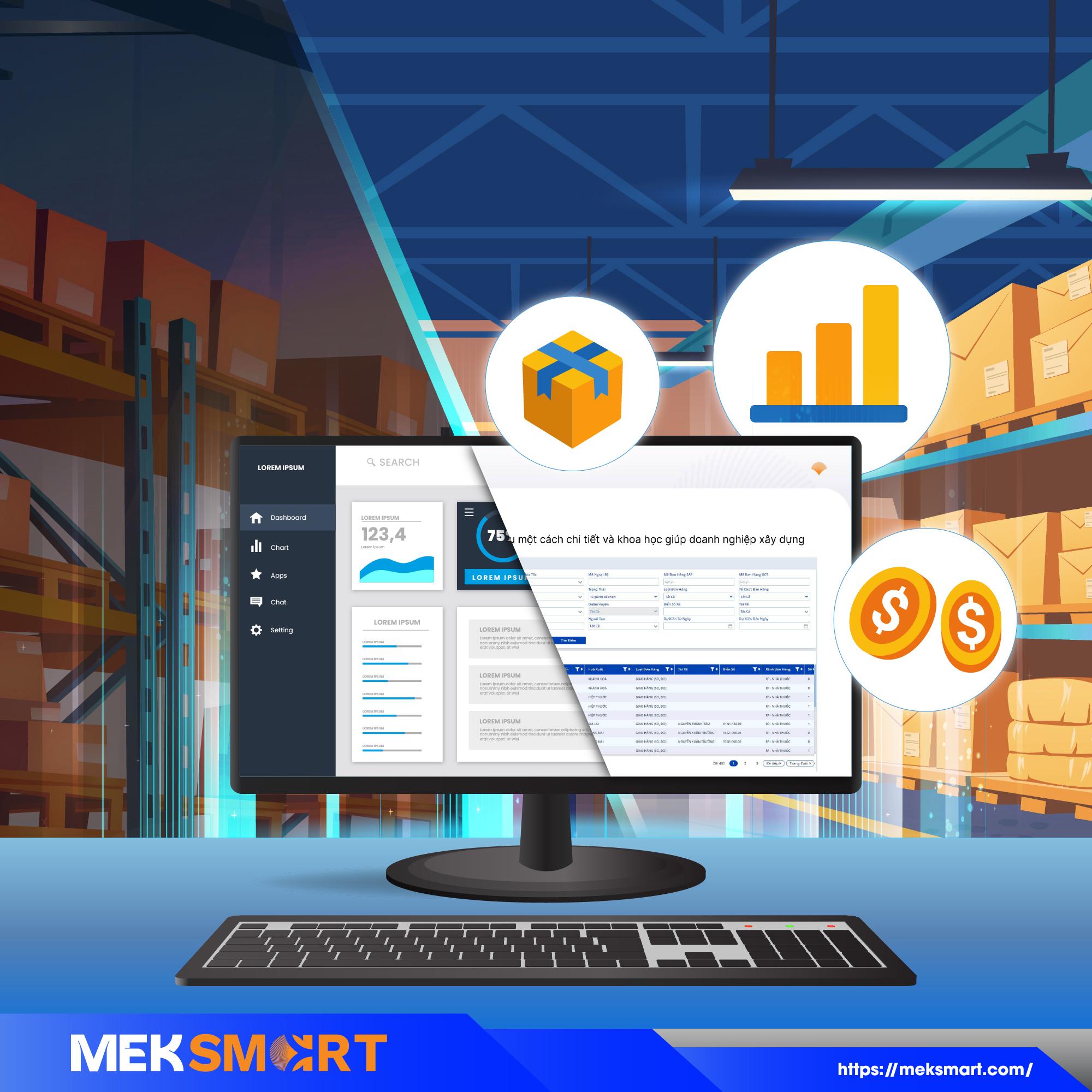
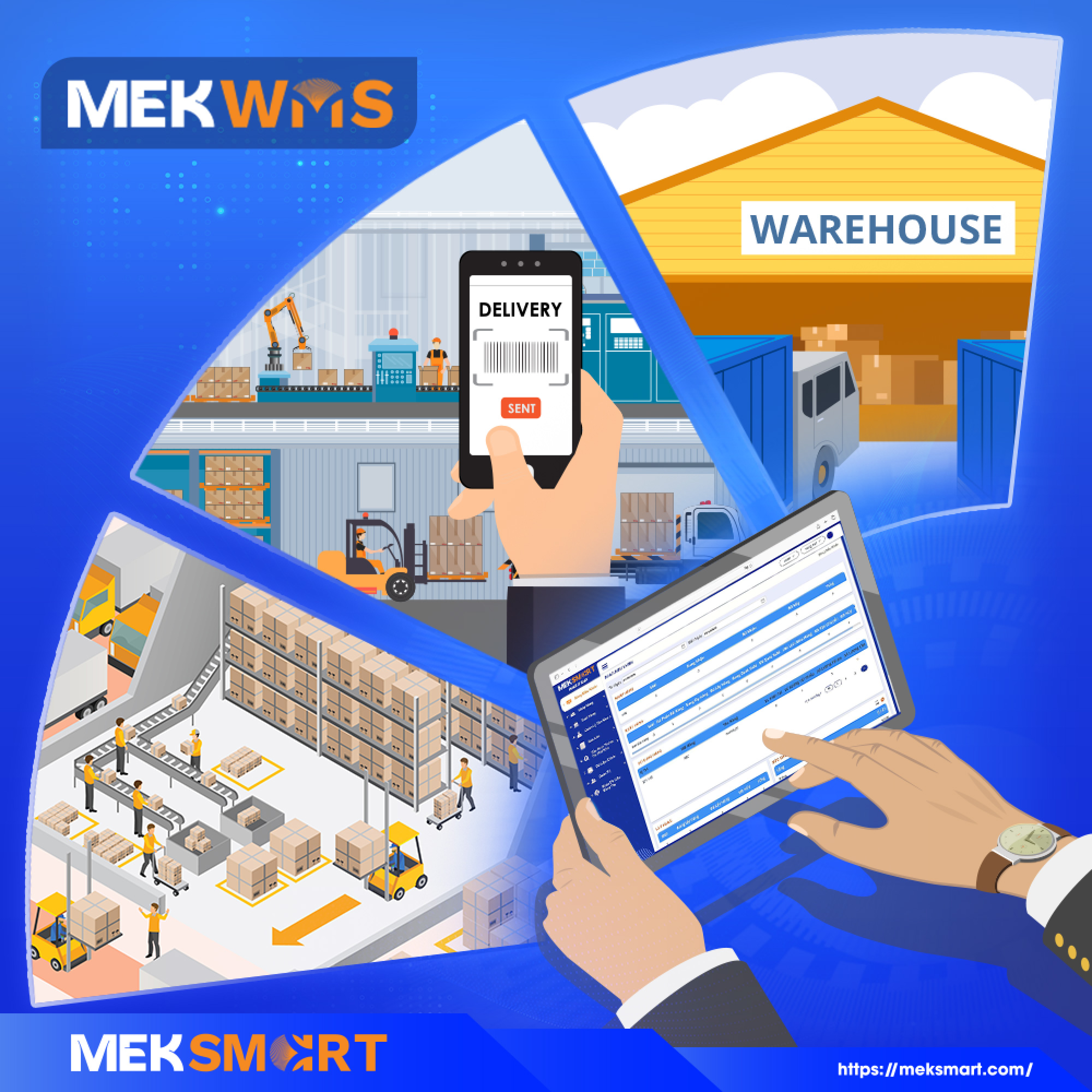
MEK-WMS is developed with the vision of applying smart technology to the entire warehouse management process. The system enables businesses to transition from manual, complex operations to an automated, simplified, and more efficient management model.
With these advanced features, MEKWMS allows businesses to quickly retrieve data, streamline interactions with insurance providers, shorten damage-handling time, and accelerate recovery after incidents.
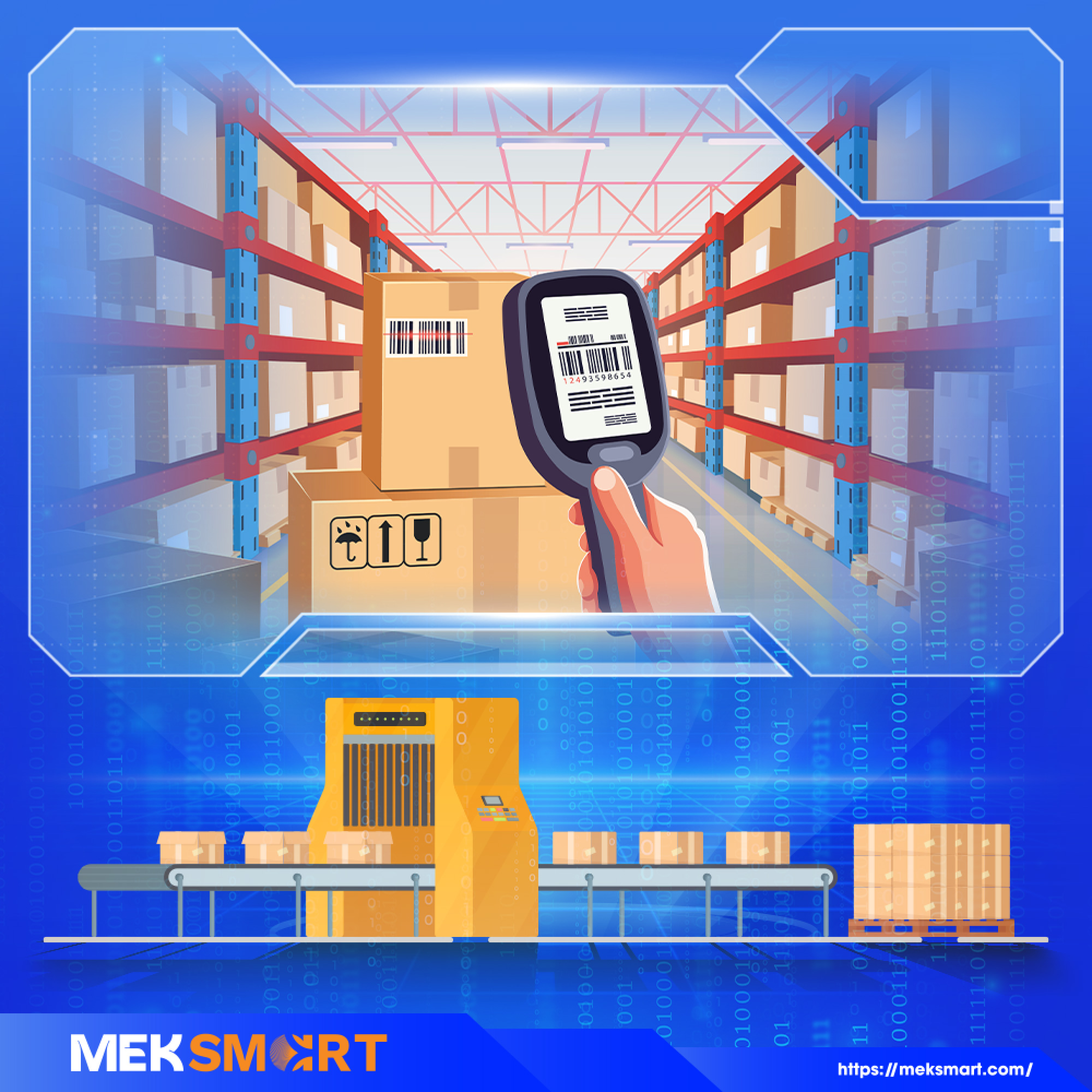
Each product is assigned a unique identifier and tracked throughout its lifecycle, making it easy for businesses to trace the entire movement history in case of an issue. This minimizes the risk of loss or damage caused by manual management. Timely adoption of MEKWMS serves as a “technology shield” that protects assets and optimizes operations for your business.
Your Technology Shield for Warehouse Management
Conclusion
Unexpected weather changes are inevitable. However, businesses can minimize risks to warehouse operations by applying technological solutions.
MEKWMS is a comprehensive solution that helps businesses control risks, enhance operational capacity, maintain stability, protect goods, and ensure an uninterrupted supply chain.
Feature News

MEKSMART TECHNOLOGY SOLUTION CO., LTD
Email : info@meksmart.com
Hotline : (+84)822923650
Offiice : SBI Building, Lot 6B, Street 3, Quang Trung Software Park, Trung My Tay Ward, Ho Chi Minh City, Vietnam
Industries