MEKSMART
GENERAL NEWS
Author: Meksmart .
Update: 20/07/2026
The benefits of custom software development for businesses in 2026
In 2026, businesses need not just software to manage their operations, but a system flexible enough to keep up with the pace of operations and market development. Especially in the logistics sector, each business has different processes for managing warehouses, transportation, orders, and customers. Therefore, custom logistics software is increasingly becoming a suitable choice when businesses want to build a system tailored to their specific needs instead of having to adjust processes to fit existing software.
Meksmart provides custom logistics software solutions designed specifically for each business, optimizing processes, connecting data, and building a flexible operational platform for long-term growth.
1. Custom software helps businesses take control of their operational processes
In the logistics industry, each business has its own operating model and processes. Distribution businesses need to synchronize orders, inventory, and delivery routes across multiple regions, while manufacturing businesses need to connect warehouse data with ERP, accounting, or internal systems. These are requirements that packaged software struggles to fully meet.
When issues arise, many businesses have to process them using Excel or other external tools. Initially, this is only a temporary solution, but over time, data becomes scattered across multiple locations, making reconciliation time-consuming, increasing the risk of errors, and hindering management.
Custom Logistics Software solves this problem by building a system based on the business's actual operational processes. Instead of changing their workflow to fit the software, businesses own a solution designed to their specific needs. Specific functions such as managing multiple warehouses, multiple shipping units, inventory processes, and order processing flows are all integrated on a single platform.
Thanks to this, businesses can standardize processes, reduce manual operations, better control data, and create a favorable foundation for future expansion.
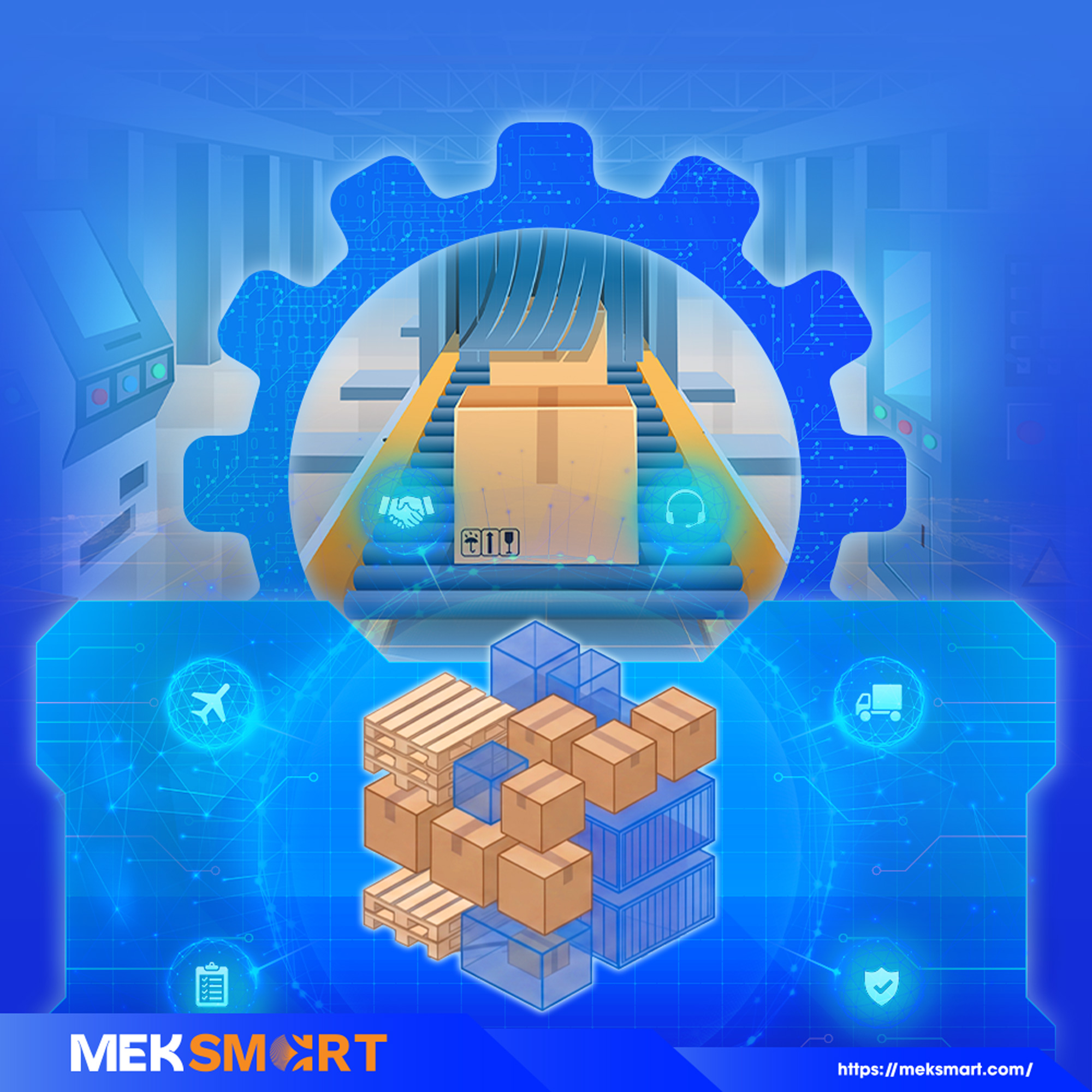
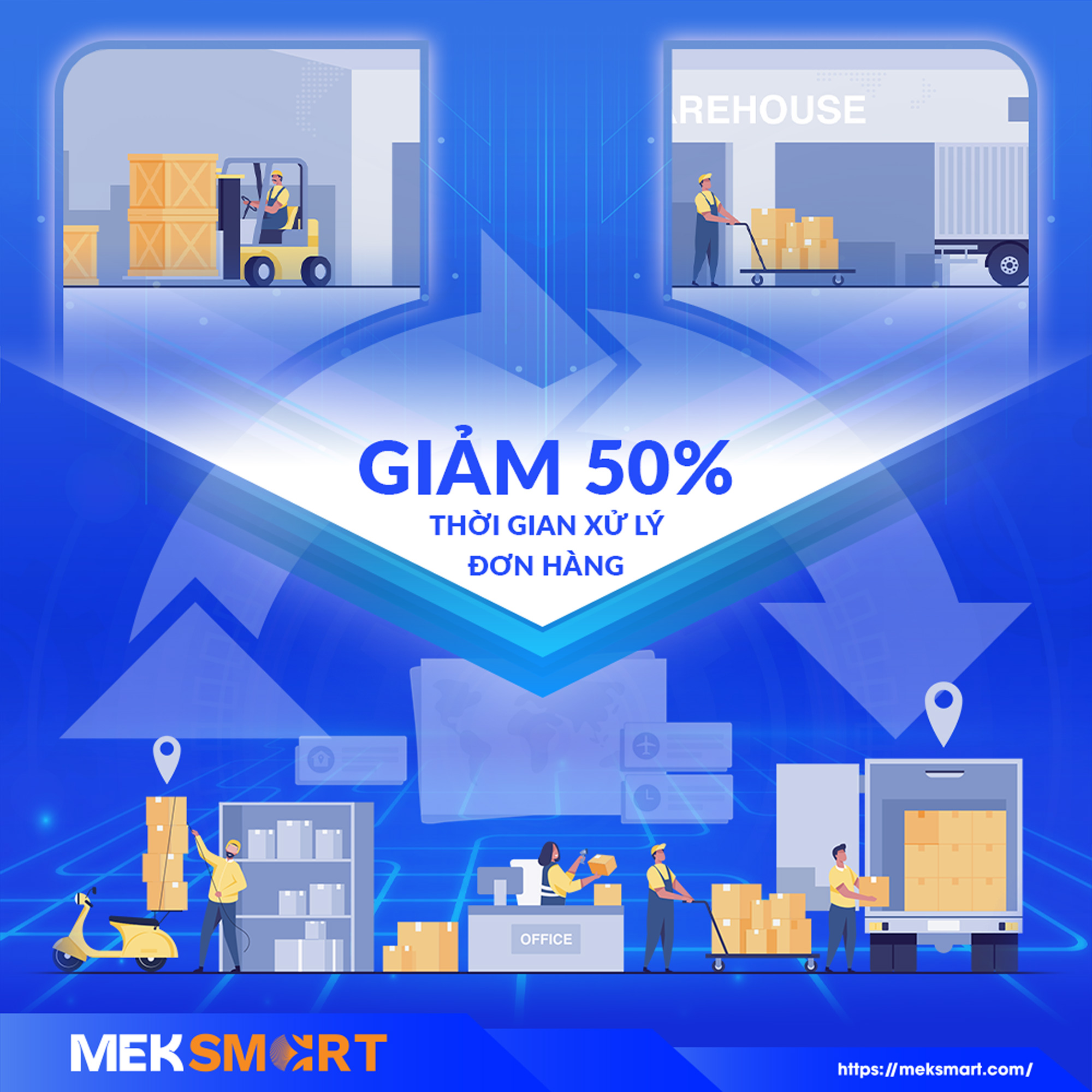
Custom software helps businesses operate according to actual processes.
2. Automation and real-time data create a foundation for intelligent decision-making.
After processes are built to meet operational needs, the next step is to optimize efficiency through automation and real-time data. This is the foundation that helps businesses reduce errors, increase productivity, and make decisions faster.
- Reducing errors by automating processes: Tasks such as data entry, document reconciliation, inventory updates, and report compilation all carry the risk of errors. Even a single inaccurate piece of data can affect order fulfillment and operational efficiency. Custom Logistics Software automates repetitive tasks such as order processing, inventory updates, delivery tracking, and data synchronization between departments. As a result, businesses reduce manual operations, improve accuracy, and optimize work efficiency.
- Real-time data enables faster business response: In addition to automation, Custom Logistics Software provides real-time data, allowing management to monitor orders, inventory, transportation, and costs during operation. When issues arise, such as delayed deliveries, shortages, or unusual orders, businesses can detect and address them promptly, reducing risks and improving service quality.
- Data connectivity on a unified platform: When integrated with ERP, CRM, OMS, accounting software, or e-commerce platforms, Custom Logistics Software synchronizes data across warehouses, transportation, and management reports. This reduces repeated data entry, minimizes errors, and enhances collaboration between departments.
- A foundation for AI applications in logistics: Standardized data not only supports current operations but also creates a foundation for applying AI to demand forecasting, inventory alerts, anomaly detection, and transportation optimization.
Investing in Custom Logistics Software today is also a preparatory step for businesses to be ready for digital transformation and sustainable development.
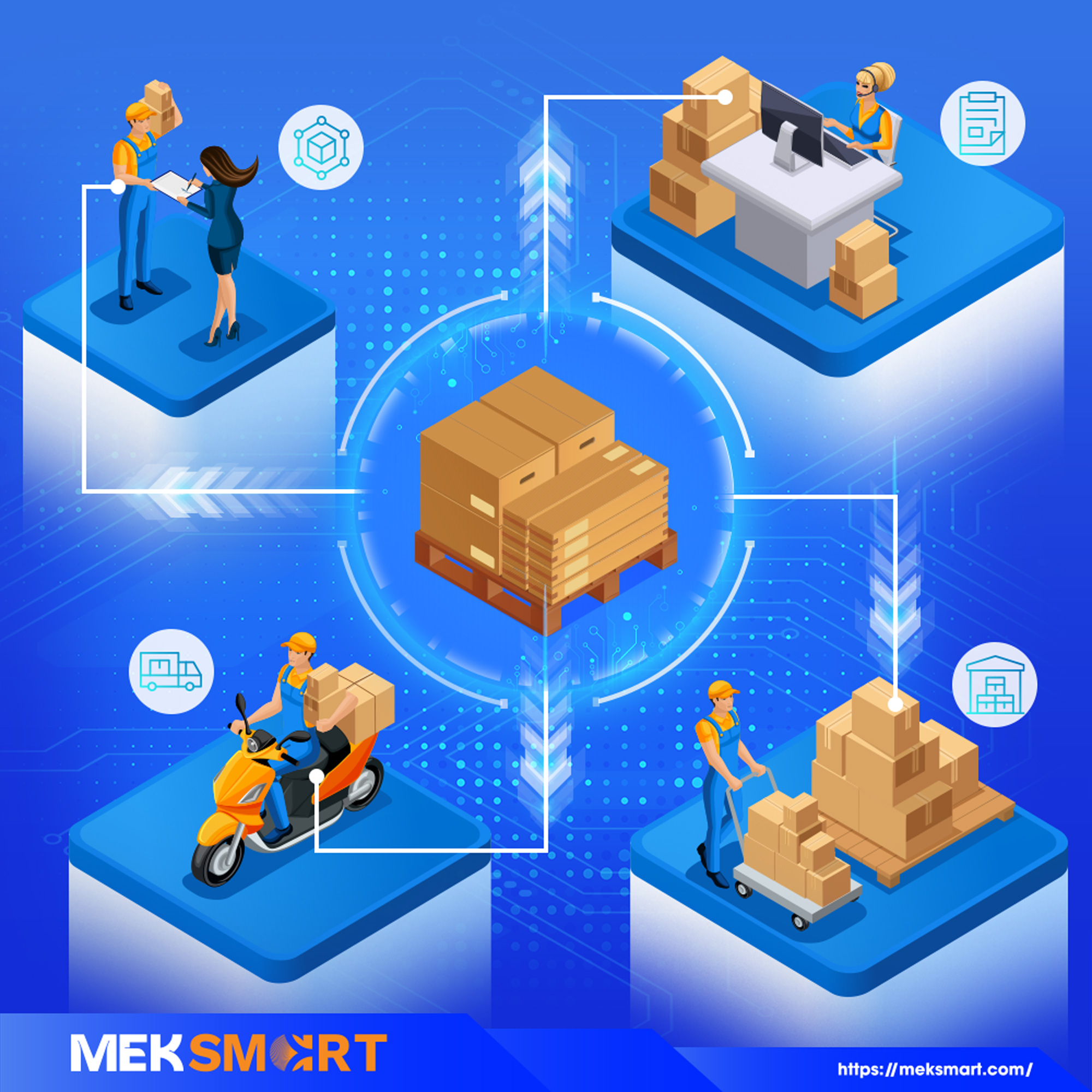
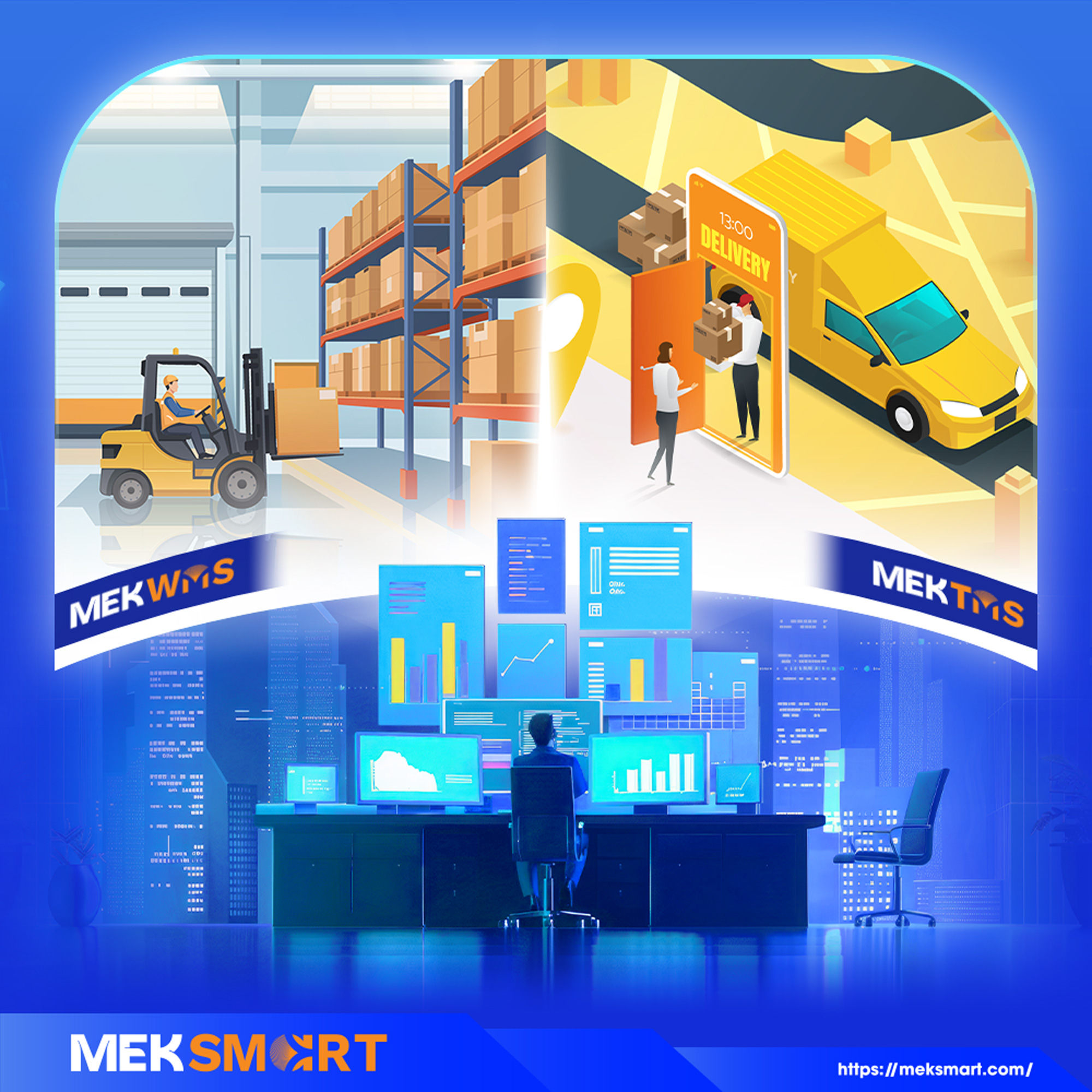
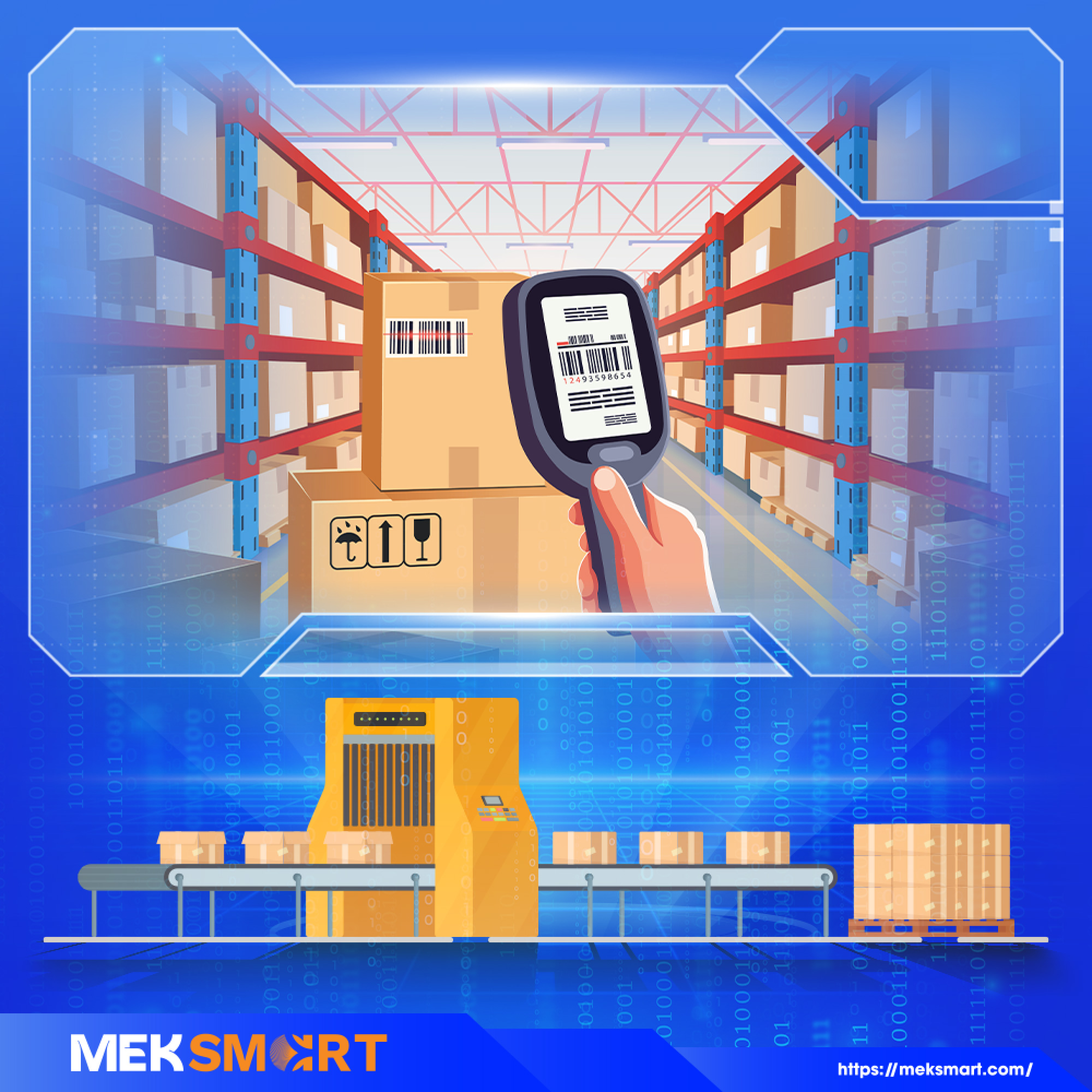
Custom Logistics Software helps connect warehouse data, orders, transportation, and reporting.
3. Meksmart develops Custom Logistics Software to help businesses expand sustainably.
Investing in Custom Logistics Software not only solves current problems but also creates a foundation for long-term development. However, for the system to be effective, businesses need a solution designed based on actual operational processes rather than applying a general model.
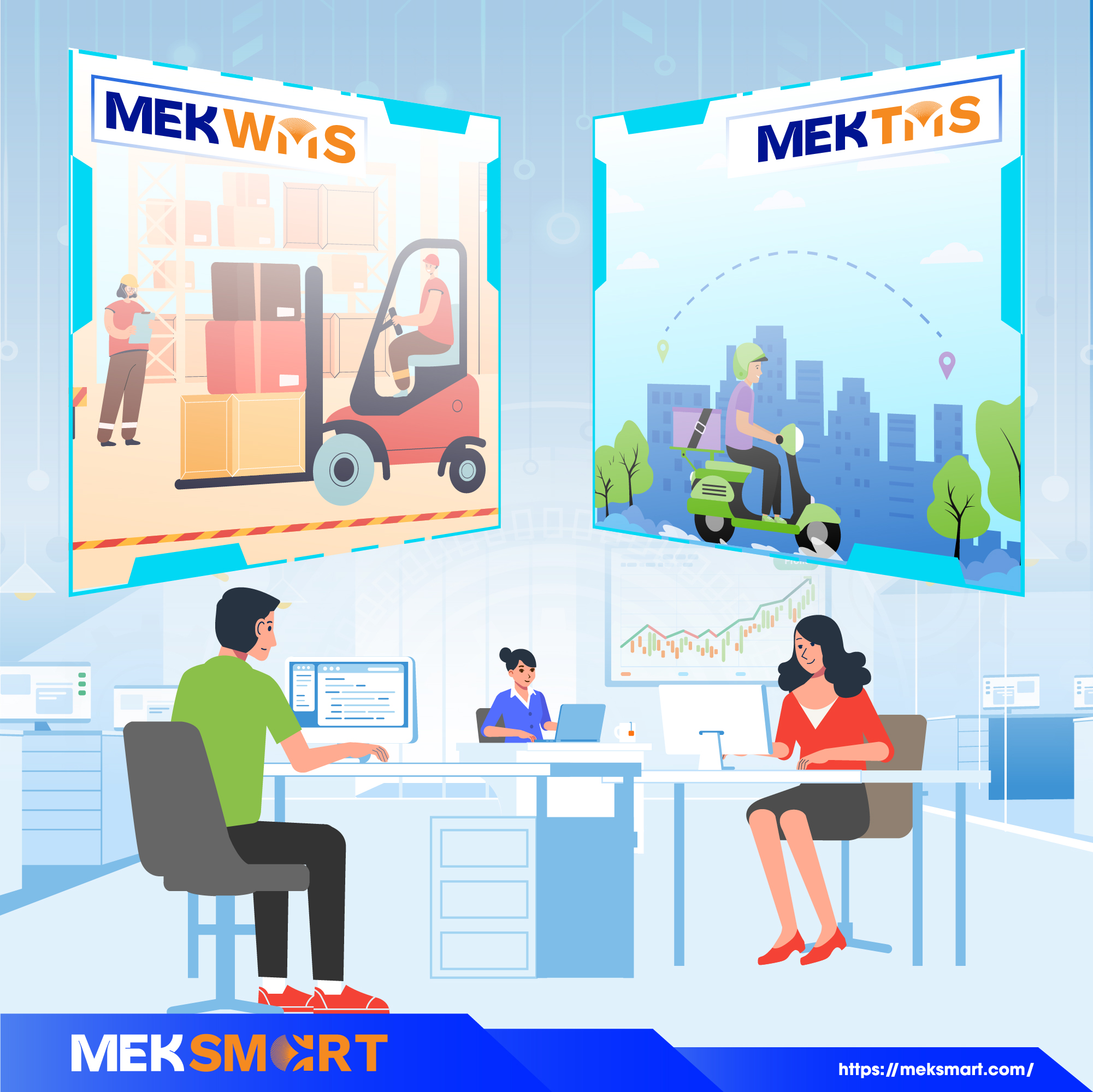
Meksmart develops Custom Logistics Software with a standardized process tailored to each business, from needs assessment and business analysis to system design suitable for each individual business. For warehouse management, Meksmart deploys MEKWMS to support receiving, warehousing, shipping, inventory management, and real-time stock control. For transportation, MEKWMS assists with shipping planning, fleet management, delivery tracking, and cost control.
By combining MEKWMS and MEKTMS in a single system, businesses can seamlessly connect data from warehouse to delivery, reducing information disruptions between departments and improving management efficiency.
Meksmart not only implements the software but also supports businesses from surveying, consulting, and design to post-operation support. As scale expands or new requirements arise, the system can be further upgraded to meet future development needs.
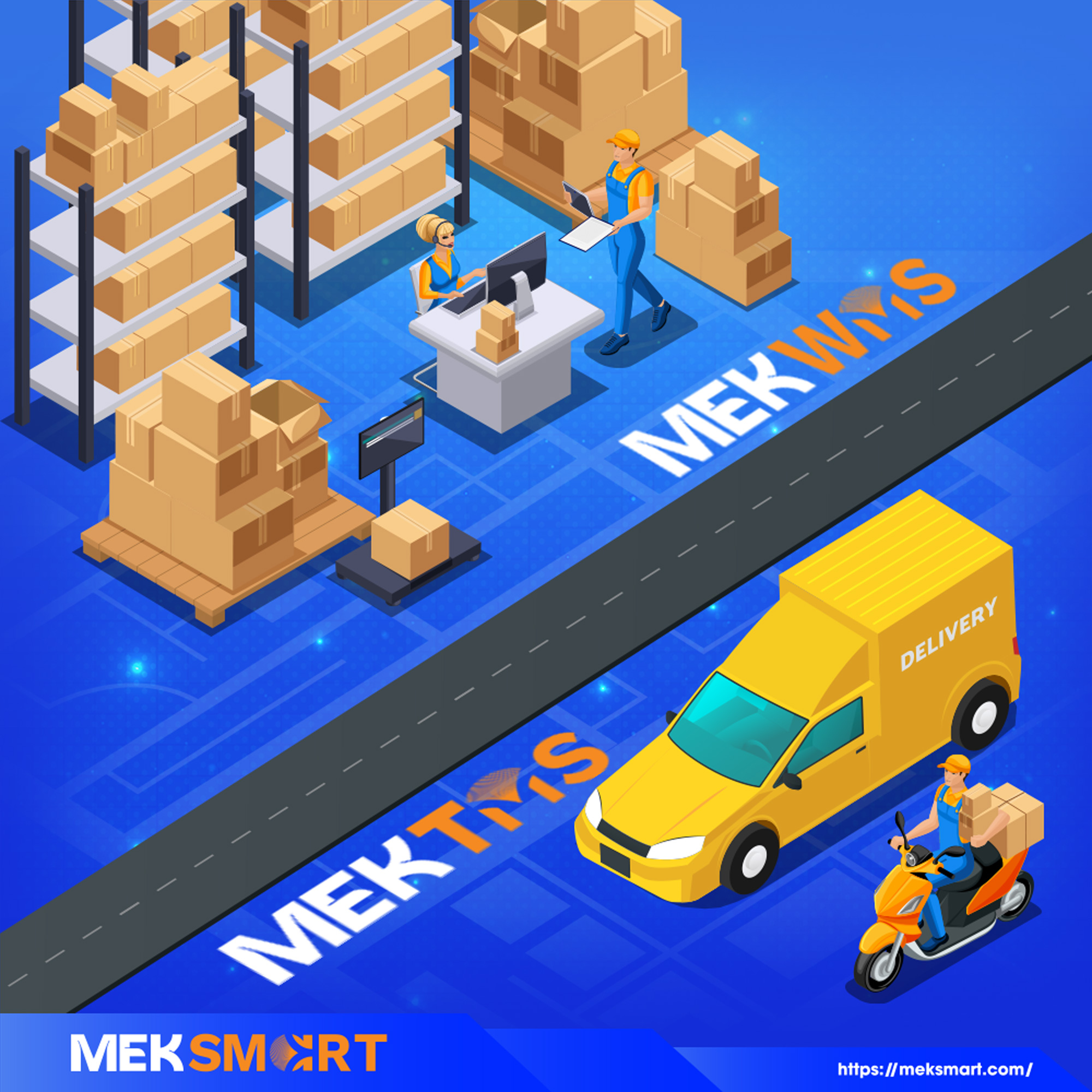
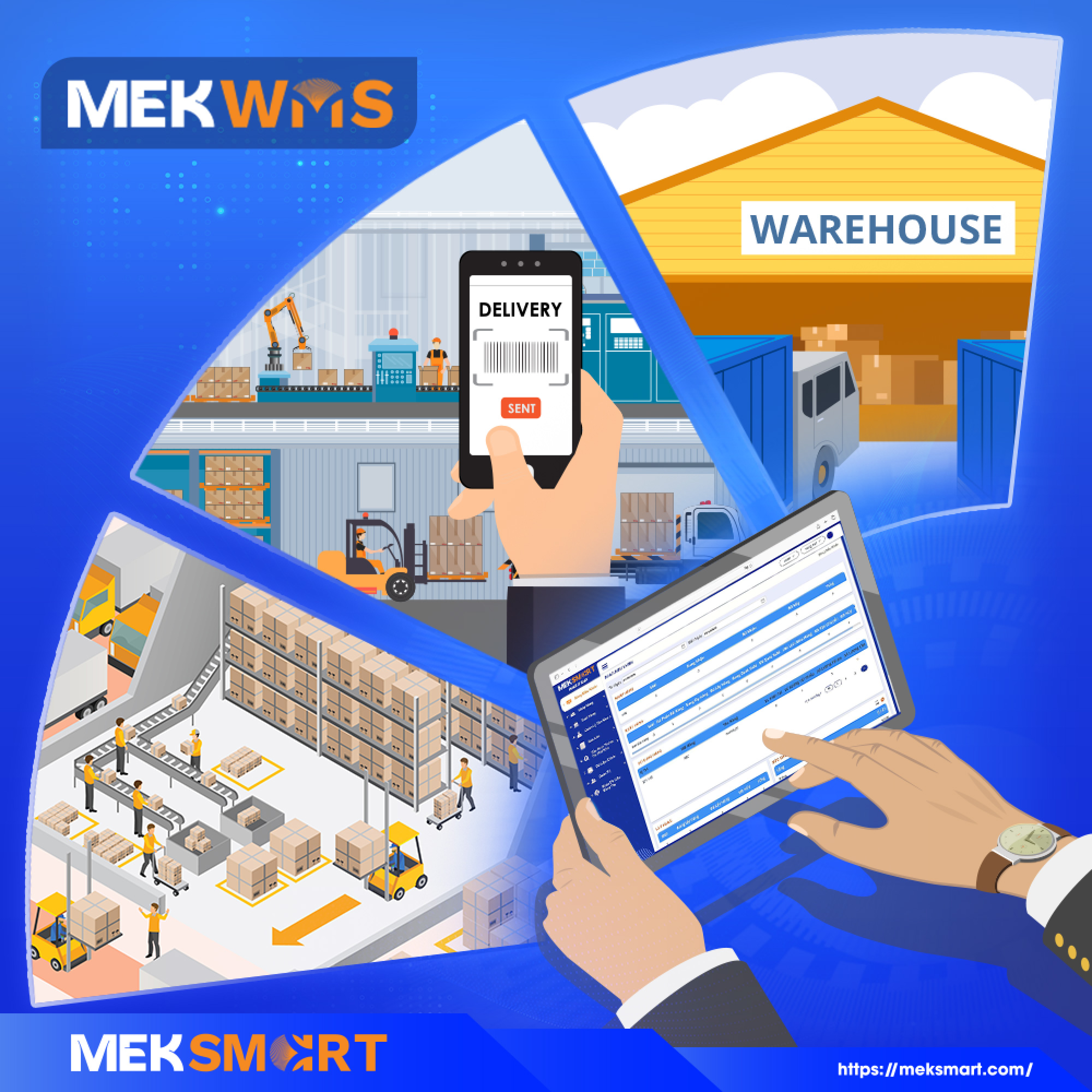
Meksmart develops Custom Logistics Software according to the needs of each business
Developing custom software brings many important benefits to businesses in 2026: operating according to actual processes, automating repetitive tasks, better data connectivity, and more flexible system expansion.
To ensure that the operational system is no longer a bottleneck for growth, let Meksmart accompany your business from the real-world problem to the appropriate software solution.
Feature News

MEKSMART TECHNOLOGY SOLUTION CO., LTD
Email : info@meksmart.com
Hotline : (+84)822923650
Offiice : SBI Building, Lot 6B, Street 3, Quang Trung Software Park, Trung My Tay Ward, Ho Chi Minh City, Vietnam
Industries